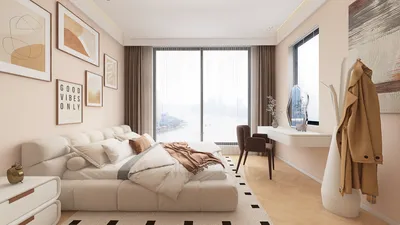


Labeling a room goes beyond just placing a sign on a door; it establishes purpose, influences behavior, and fosters a collective identity among users. In work environments, thoughtfully named areas enhance navigation, enrich culture, and boost productivity. At home, strategic naming transforms everyday spaces into appealing locales. Through my experience of naming numerous rooms in both residential and commercial settings, I utilize principles from psychology, ergonomics, lighting, and brand storytelling to create names that resonate authenticity and practicality. Homestyler has been an invaluable tool throughout this process.
Research consistently indicates that thoughtfully designed spaces can significantly enhance performance. Steelcase's findings reveal that environments tailored to specific needs—such as focus, collaboration, learning, and social interaction—promote higher levels of employee engagement and yield improved results. Importantly, when individuals have the option to select from a variety of spaces, the benefits are amplified. The WELL Building Standard also emphasizes the cognitive advantages of appropriate lighting and sound management, both crucial for creating environments that attract individuals. These insights illustrate a fundamental idea: room names contribute to design intent. For further information on workspace behavior patterns, delve into Gensler’s studies on activity-driven environments.
In residential settings, the psychology of color plays a crucial role. As noted in Verywell Mind’s exploration of color psychology, warm hues can invigorate, while cooler shades can soothe, which can greatly influence naming choices. For instance, a 'Sunroom' derives deeper meaning when paired with bright, warm daylight and materials that reflect luminosity; conversely, a 'Retreat' becomes inviting with softer neutral tones, dimmer light, and more tranquil acoustics. When devising names for versatile spaces in homes, I first outline daily routines and then align names with typical activities—like reading, gaming, or crafting—so the area inherently suggests the right mindset from the moment you enter, aided by tools like Homestyler.
Essential Guidelines for Purposeful Room Naming
- Ground names in behavior: Choose names that reflect the main activity the room should facilitate—such as Focus Nook, Collaboration Bay, or Listening Lounge.
- Integrate sensory elements: Consider factors like lighting level, color temperature, acoustics, and materials. Names should correlate with the sensory experience in the space.
- Opt for memorable titles: Short, impactful names are often more effective than lengthy descriptions—think Atrium, Atelier, or Studio.
- Echo brand or household characteristics: Draw inspiration from local culture, heritage, or shared passions—such as Harbor Room, Orchard Suite, or Skyline Lab.
- Aid navigation: Use unique names across different levels or areas, allowing for intuitive movement—examples include North Studio and East Reading Room.
- Design the layout first: Ensure that the name corresponds with the flow and adjacency of spaces. For creating behavior-driven layouts, consider using a layout tool like Homestyler to visualize and refine your plans.
Home: Cozy, Functional, and Creative Names
- The Hearth Room: Designed for gatherings, featuring warm lighting (2700–3000K) and tactile materials like wood and wool.
- Morning Studio: A sunlit area ideal for journaling, yoga, or artistic pursuits, with sheer shades to minimize glare.
- Book Nook: A compact reading corner boasting 300–500 lux task lighting and soft acoustics through rugs or curtains.
- Listening Lounge: A dedicated space for enjoying vinyl or podcasts, furnished with soft seating and isolated from high-traffic areas.
- Game Den: Set up for group activities with communal seating and adjustable lighting (300–500 lux) to mitigate eye strain.
- Craft Atelier: Equipped with peg walls, easy to clean surfaces, and neutral lighting (4000K) to present colors accurately.
- Green Room: Featuring houseplants, bio-inspired textures, and a moist environment by windows; accented with calming greens and natural light.
- Retreat Suite: A haven of low-light, plush textiles, and warm colors for relaxation.
Workplace: Names That Encourage Culture and Behavior
- Focus Lab: Designed for dedicated work with high acoustic standards and task lighting at approximately 500 lux.
- Strategy Studio: Incorporates whiteboards, digital displays, and adaptable tables, providing a name that inspires confidence in decision-making.
- Huddle Bay: Designed for quick meetings, positioned for easy access.
- Deep Work Nook: Individual pods featuring glare-controlled lighting; a neutral design helps maintain focus.
- Town Hall: A spacious gathering area with flexible seating arrangements, excellent sightlines, and acoustic properties fine-tuned for speech.
- Maker Shop: A prototyping space with robust surfaces, organized tool storage, and superior color rendering (CRI 90+).
- Wellness Loft: Fostering stretching, mindful breathing, along with ample natural light and air quality; signifies rejuvenation.
- Culture Gallery: Showcase employee achievements, significant milestones, and local art to enhance workplace identity.
Educational & Community Spaces
- Discovery Lab: Engaging hands-on STEM activities; features washable floors, bright task lighting, and clearly labeled storage.
- Story Studio: Designed for vocal storytelling and audio recording; includes acoustic panels and warm color palettes.
- Commons: Allows for casual rendezvous with flexible seating; made from durable materials and includes movable whiteboard features.
- Quiet Meadow: Facilitates silent study with serene greens, personal lamps, and high-backed seating.
- Innovation Loft: A space for pitching ideas and experimental work; combines hybrid technology with writable surfaces.
Hospitality & Retail
- The Conservatory: A plant-centric lounge providing ample daylight with glare-reducing features.
- Tasting Room: Utilizes neutral lighting (4000K) to ensure accurate color perception; social tables paired with acoustics to maintain clear communication.
- Atelier Suite: Tailored for customization; benefits from excellent color rendering and effective storage solutions.
- Sky Bar: Offering elevated views; illuminated with cool lighting for evening allure and reflective metallic accents.
Understanding Color Psychology in Naming
- Inviting names (Hearth, Ember, Amber Room) go well with warm lighting (2700–3000K), natural wood elements, and inviting seating arrangements to foster conversation.
- Calming names (Glacier, Azure Bay) denote clarity and concentration; appropriate lighting in the range of 3500–4000K coupled with sharp materials is preferred.
- Nature-inspired names (Orchard, Grove, Cove) harmonize with biophilic designs, green tones, and textured fabrics to instill tranquility.
- Creative-themed names (Atelier, Studio, Lab) stimulate innovation; require neutral to bright lighting and writable surfaces for optimal functionality.
Illuminating and Acoustic Elements
Lighting should fulfill the promise of its title. IES guidelines recommend 300-500 lux for reading and computer tasks; glare should be controlled with diffusers and indirect options for comfort. Soft finishes in materials can minimize sound reverberation and geographical zoning helps separate noisier activities from quieter zones. WELL v2 emphasizes that sufficient lighting and sound control are closely linked to cognitive performance, reinforcing the idea that the sensory environment must enhance the behaviors implied by a room's name.
Materials and Sustainability Indicators
Room names can reflect material values: for example, a 'Hearth Room' could incorporate reclaimed wood and wool for warmth, whereas a 'Maker Shop' might utilize long-lasting, low-VOC materials and efficient storage solutions. In areas focused on wellness, it is crucial to prioritize breathable fabrics, formaldehyde-free products, and a calming color palette.
Spatial Proportions and Movement
Assign names to areas that acknowledge circulation patterns—position collaborative rooms adjacent to social spaces and place concentration areas away from main pathways. Ensure visibility for navigation, and use variations in ceiling height, lighting, or flooring to signal transitions that correspond to the room's name. If you need assistance in visualizing relationship scenarios, a room design visualization tool like Homestyler can facilitate flow testing and proximity assessments before finalizing names.
Establishing a Naming Framework
- Define themes: Utilize local geography, brand ethos, literary connections, or natural motifs.
- Outline behaviors: Make a list of planned activities and required sensory conditions (lighting, acoustics, seating).
- Pilot names: Trial names for clarity—can users infer behavior simply from the name?
- Document: Create a glossary with definitions to ensure consistency for future updates.
- Adapt: Collect feedback and iterate as the culture evolves.
Examples of Naming Collections
- Nature: Grove, Cove, Ridge, Meadow, Orchard, Harbor, Summit.
- Artistry: Atelier, Foundry, Loom, Studio, Workshop, Kiln.
- Illumination: Dawn Room, Ember Bay, Lumen Lab, Solarium, Twilight Nook.
- Community Narratives: Skyline, Riverbend, Old Mill, Station House, Lantern Lane.
- Tranquility & Concentration: Quiet Meadow, Deep Work Nook, Stillwater, Haven, Sanctuary.
Frequently Asked Questions
Q1: Do room names truly affect behavior?
A: Absolutely. Steelcase’s research on activity-based environments indicates that choices among clearly defined space types bolster engagement and improve task alignment. Room names serve as cues that guide individuals toward the ideal environment.
Q2: How should lighting complement a room's name?
A: Match it to the activity. For reading or computer use, IES guidelines usually suggest about 300-500 lux along with glare control. Creative spaces benefit from neutral-to-cool lighting (3500–4000K) with high color rendering for accuracy.
Q3: What is a recommended naming theme for a brand-oriented workplace?
A: Align with brand essence or local features—such as Harbor Room, Skyline Lab, or Orchard Suite—tying each to behaviors like focus, collaboration, or learning to ensure practicality.
Q4: How do I prevent confusion across different levels?
A: Combine a theme with directional cues—like North Studio or East Reading Room—and maintain uniform signage. Keep names brief and distinct for better navigation.
Q5: What impact does color psychology have?
A: Warm names harmonize with warm lighting and social vitality, while cooler names align with focus and clarity. Verywell Mind’s overview on color psychology is an excellent introductory resource.
Q6: Can names assist in minimizing noise disturbances?
A: Indeed. Employ names that suggest acoustic expectations—like Huddle Bay for lively interactions and Deep Work Nook for quieter zones—and reinforce them with the right zoning and materials.
Q7: How can I name multipurpose spaces without causing confusion?
A: Use adaptable names with sub-labels—for example, Studio (Focus) or Studio (Workshop)—and establish lighting presets that bolster the intended use.
Q8: What is the recommended approach for naming rooms at home?
A: Outline your daily patterns and choose names that complement the intended energy and mood—like Morning Studio for sunlit activities or Retreat Suite for relaxation, and Craft Atelier for creative pursuits.
Q9: Any suggestions for schools or libraries?
A: Opt for names that clearly indicate types of learning—such as Discovery Lab for hands-on experiences, Quiet Meadow for solitary studies, or Story Studio for reading sessions—and ensure the acoustics support these activities.
Q10: Should I update names as the space changes?
A: Definitely. Collect user feedback, review space utilization, and alter naming conventions as activities evolve to maintain a coherent system overall.
Minimalist Sage Green Fabric Sofa with Decorative Throw Pillows 3D Model


Minimalist Fabric U Shaped Sectional Sofa with Side Tables 3D Model
Homestyler is an exceptional online home design platform that empowers you to transform your space effortlessly. With its user-friendly design tool, stunning 3D renderings, diverse design projects, and helpful video tutorials, you can unleash your creativity and achieve your dream home—whether you're a novice or a seasoned designer!
今すぐ无料でデザイン
































