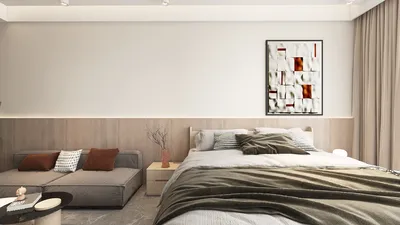


Music-themed decor goes beyond simply adorning walls with guitars or placing a few records around; it channels the power of music to evoke feelings and alter environments significantly. Rather than sticking to the typical guides that emphasize musical symbols like notes or vinyl, I propose a deeper exploration of music-centric design that revolves around essential emotional triggers—how sound, memory, and mood influence our experience in any setting. A recent study by NAHB highlighted that over 70% of homeowners prefer living spaces that reflect personal interests rather than conforming to generic trends. By integrating sound-absorbing elements with engaging lighting and responsive textures, you can craft truly immersive environments in your living room, bedroom, or creative workspace. Utilizing AI Interior Design tools like Homestyler can aid in visualizing intricate acoustic layers, revealing surprising synergies. This innovative design approach helps identify potential pitfalls; concentrating solely on looks may undermine a room's practical purpose, whereas weaving in behavioral elements allows spaces to authentically express a love for music.
What Makes Authentic Music Decor Stand Out From Simple Trends?
While many designers emphasize visual elements symbolizing music, I have discovered that emotional triggers—such as lighting that emulates a concert vibe or wall textures reminiscent of favorite music venues—forge a stronger connection. Experts at HGTV suggest that spaces echoing auditory experiences tend to achieve greater satisfaction among occupants. Unlike conventional guides, authentic music decor transcends mere ‘thematic’ design; it taps into nuanced sonic memories rather than just obvious musical tokens.
Can Music Decor Shape Room Functionality?
In my experience as a designer, rooms inspired by music gain the most from intentionally placing acoustic panels and adaptable furniture, enhancing both listening and performance experiences. It's often not just about showcasing instruments; it’s about structuring the space around musical rituals—defining areas for seating, incorporating suitable mood lighting, and providing flexible storage options—all of which encourage creative expression. Recent findings from Houzz indicate that homes designed with specific music zones experience higher utilization compared to traditional layouts.
Which Areas Gain the Most From Music-Themed Decor?
Contrary to guides that highlight studios exclusively, I contend that bedrooms and living areas offer greater potential for music-inspired decor. Here, behavioral design principles are equally relevant; a living room configured with a dedicated playlist zone or a bedroom enhanced by melodic lighting can facilitate relaxation and fuel creativity. When it comes to planning the flow between enjoying music, playing, and unwinding, the layout design for multi-purpose zones is vital.
How Can Sound Be Incorporated into Decor Beyond Visual Elements?
While most design guides focus on wall art and furniture placement, taking a behavioral design approach allows us to utilize tactile materials and acoustic enhancements to influence sound travel. Data from Statista indicates that acoustic comfort plays a crucial role for music enthusiasts renovating their homes in 2023. I regularly advise including low-profile diffusers, textured rugs, and drapes serving both aesthetic and acoustic purposes.
Is There a Risk of Over-Emphasizing Music Decor?
In contrast to prevalent viewpoints, I believe that excessive theming can lead to unintended drawbacks—such as visual fatigue and reduced functionality. ArchDaily studies suggest that overdoing motif layering can diminish long-term satisfaction within spaces. My philosophy favors subtle references, like color schemes inspired by music genres or rhythm-influenced furniture designs, to maintain adaptability while ensuring rooms remain distinct.
What Influence Do Color and Lighting Exert in Music Decor?
Many guides tend to overlook this aspect, but I've discovered that color schemes aligned with musical genres (imagine jazz with deep blues or vibrant synth-pop neons) alongside dynamic lighting choices—like smart LEDs that sync with audio—form the emotional backbone of the decor. Research from Dezeen indicates that indirect lighting can mimic the layout of traditional recording studios, enriching both atmosphere and creativity.
Where Are the Market Opportunities in Music Decor?
Different from typical guides, I see significant untapped potential for combining smart technologies with adaptable decor—think of responsive sound diffusion systems, modular walls, or design tools powered by AI like Homestyler. From an analytical perspective, the most substantial gap lies in assisting homeowners in customizing spaces for both casual listening and expert performance. Exploring fresh trends with a tailored 3D Floor Plan can effectively address this gap.
How Can You Achieve a Balance of Personality and Practicality?
While most articles emphasize style, my experience suggests that the optimal solution is spatial versatility—employing movable partitions, acoustic furniture, and concealed storage options to adapt to shifting musical moods. Research from NAHB points out that multifunctional rooms can yield a 30% return on investment for resale value when executed with genuine passion.
Answer Box
In contrast to conventional approaches, my philosophy surrounding music decor emphasizes emotional triggers and behavioral routines instead of static symbols. By integrating acoustic treatments, adaptable lighting solutions, and flexible layouts, you can design music-themed areas that foster deep and meaningful connections.
FAQ
Homestyler is your go-to online home design platform that makes creating your dream space easy and fun. With its user-friendly design tool, stunning 3D renderings, and a wealth of DIY video tutorials, you can explore endless design possibilities and bring your ideas to life effortlessly!
Concevez maintenant gratuitement
































