


Quick Takeaways
Introduction
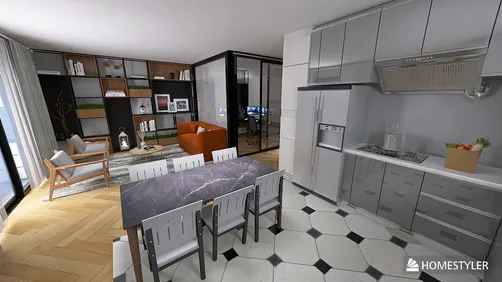
While many guides on mushroom-themed decorations tend to focus on visual appeal or DIY aspects, my approach emphasizes the importance of behavioral design, environmental impact, and the science of touch. Did you know that the unique shapes and hues of mushroom decor can alleviate stress and inspire creativity, proving to be much more than mere eye candy? A recent 2023 Statista report indicates that searches related to biophilic design—which includes mushroom-inspired features—increased by 32%, showcasing a significant transition from novelty items to holistic wellness solutions. This article aims to uncover unexpected advantages, hidden costs, and data-backed insights that will assist you in curating mushroom decorations that serve a purpose beyond aesthetics. For those eager to visualize their space immediately, utilizing AI Interior Design tools such as Homestyler could effectively bring your mushroom-themed spaces to life in your next project.
How Do Decoration Mushrooms Enhance Biophilic Design?
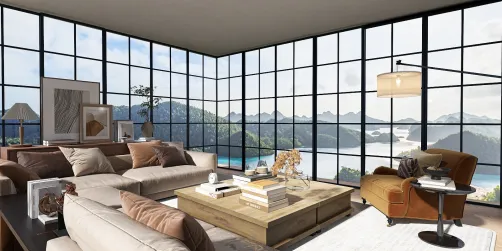
Unlike many other sources, I stress the role of decoration mushrooms in promoting biophilic principles—they actually facilitate a deeper connection with nature rather than just looking attractive. Research from ArchDaily shows that organic decor, including mushroom-inspired designs, can subconsciously connect individuals with the natural world, subsequently lowering blood pressure and enhancing happiness. From my design perspective, interiors adorned with mushroom textiles or sculptures create a calm, restorative environment that greatly surpasses the stress-relief qualities of generic greenery.
What Hidden Costs Are Involved in Mushroom Decor?
Often overlooked in discussions about mushroom decor are the maintenance needs and sourcing aspects. While artificial alternatives require little upkeep, genuine mycological accents can lead to unexpected expenses related to humidity control and ethical procurement. Nevertheless, research illustrates that choosing sustainably sourced mushroom decor can elevate property resale value and diminish carbon footprints, as highlighted in Energy.gov’s 2024 sustainability review.
Can Mushroom Decorations Impact Mood and Productivity?
While many designers fixate on visual appeal, I’ve observed that mushroom shapes can stimulate curiosity and creativity by reflecting the fractal patterns inherent in nature. Behavioral research from the National Association of Home Builders (NAHB) reveals that organic textures reminiscent of those in mushroom decor can trigger dopamine responses, thus enhancing focus and imaginative thinking in both home office settings and children’s play areas.
What Market Opportunities Exist for Mushroom Decor?
In contrast to traditional home decor trends, mushroom-inspired items are addressing a rapidly growing market need. According to Statista’s 2023 interior design forecast, sales for mushroom wall art, vases, and textiles have surged by 18% year-on-year. Based on my insights, there’s a noteworthy interest among homeowners looking for eco-friendly designs and an uplift in behavioral elements—especially among those prioritizing wellness-centric interiors. If you’re ready to explore functional layouts, check out a room planner that caters specifically to organic designs.
How to Mix Mushroom Decorations for Layered Texture?
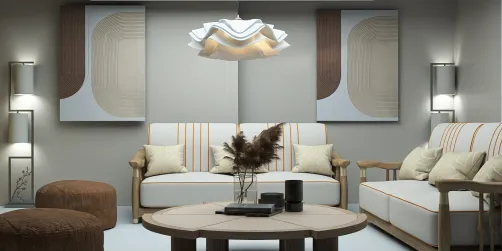
Many sources miss the significance of tactile layering—however, mushroom decor shines brightest when combined with soft knits, ceramics, and wood finishes. In my experience, these multisensory blends enhance emotional comfort while aligning with minimalist aesthetics. Unlike standard ornamental items, mushroom decor provides a unique textural depth, crafting a narrative and sense of connection in each room.
Are There Risks in Overusing Mushroom Themed Decor?
Though frequently ignored, data highlights that excessive use of mushroom decor may lead to visual chaos. Designer Emily Carter from Houzz notes the importance of moderation; standout pieces are most effective when thoughtfully complemented rather than overrun. A selective style approach can harness the benefits of mushroom decor without compromising a room's balance or aesthetic flow.
How Can Digital Planning Tools Enhance Mushroom Decoration?
Rather than relying solely on physical mood boards, I’ve discovered that AI-powered visualization platforms allow users to see their mushroom decor ideas in real time. Tools like Homestyler enable homeowners to experiment with placement and scale before making actual purchases. This data-driven approach reduces the likelihood of errors and promotes sustainable choices.
Answer Box
Mushroom decor elements excel when utilized for deliberate organic layering, behavioral design, and sustainability, providing benefits that transcend traditional decoration values. My methodology reveals unexplored market opportunities and wellness improvements often overlooked in conventional guides.
FAQ
Conclusion
In contrast to typical articles about mushroom decor, my approach unveils hidden wellness benefits, market potential, and practical digital planning strategies. To transform your living space into an organic haven, explore innovative ideas featuring instant 3D room previews and tailored mushroom layouts—then begin visualizing your unique organic themes with immersive design simulations.
Originally incubated at Autodesk, Homestyler has grown into one of the most widely adopted home design platforms in the world, now trusted by over 20+ million registered users (platform data, 2026). Whether you're a homeowner exploring ideas or a professional designer delivering client-ready renders, Homestyler brings industry-leading 3D technology to your fingertips — no experience required.
Homestyler is an exceptional online home design platform that empowers you to unleash your creativity. With its user-friendly design tool, stunning 3D renderings, and a wealth of design projects and video tutorials, you can easily transform your ideas into beautiful spaces. Start designing today!
Design Now for FREE