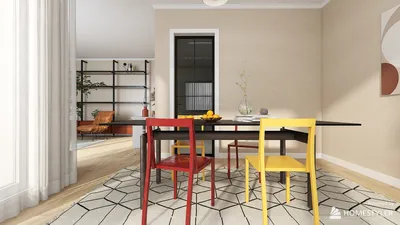


Having designed and rearranged numerous multipurpose halls, I’ve learned that their success hinges on subtle details—proper light levels that feel just right at various times of the day, acoustic management that ensures clarity for speeches reaching the back rows, and flexible layouts that effortlessly adapt from banquets to seminars without the need for heavy machinery. At Bapu Nagar Community Hall, our fundamental objective is to create inclusive and versatile spaces that can smoothly host weddings, workshops, exhibitions, and community meetings, all while maintaining a finish akin to high-end hospitality.
Functionality should always be based on measurements rather than assumptions. According to WELL v2, it’s essential to maintain lighting levels of 300–500 lux on work surfaces for general tasks, while dining and social settings are typically more enjoyable at 150–300 lux with softer tones to enhance the atmosphere (source: WELL v2, Light concept). Furthermore, research from Steelcase indicates a direct link between improved environmental control, posture support, and measurable increases in productivity. Studies reveal that acoustic comfort ranks among the top three influences on satisfaction in shared spaces (source: steelcase.com/research). My design integrates these crucial aspects, ensuring a seamless experience whether attendees are seated for a talk or reveling under cozily dimmed uplighting.
The principles of color psychology play a vital role as well. According to Verywell Mind, warm tones foster social interaction, while cool blues and greens promote concentration and alleviate stress. I utilize a neutral foundation with carefully controlled color accents, enabling the hall to shift from a celebratory ambiance for ceremonies to a composed atmosphere suitable for exams or workshops. Coupling this with an ergonomic design—maintaining clear sightlines, comfortable seat arrangements, and safe passage—turns the building into a thoughtful host.
Main Hall: Flexible Volume, Unified Experience
The main hall is crafted as a clear-span area, ideal for swift reconfiguration. For banquet setups, I ensure a minimum aisle width of 1.5–1.8 m along main pathways and 1.2 m around service areas to facilitate catering operations without congestion. For theater-style arrangements, I aim for a row spacing of 900–1000 mm and a maximum sightline of 12–14 m to the presentation area, guaranteeing visibility even for those seated in the back. The lighting grid is designed with high-efficiency LED downlights (CRI ≥90), wall grazing lights, and subtle track heads for stage emphasis; dimming options are calibrated for smooth transitions during ceremonies.
From an acoustic standpoint, this hall features mineral fiber ceilings (NRC 0.70–0.85), fabric-covered panels in areas prone to flutter, and bass traps concealed in corner soffits. These elements work together to minimize slap echo and enhance speech clarity, preventing wireless microphones from fighting against room acoustics. To avoid noise transfer during simultaneous events, I incorporate STC 55+ operable partitions that section off the venue into two separate spaces.
Pre-Function and Lobby: Flow, Navigation, and First Impressions
The arrival area sets a welcoming atmosphere. I keep the lobby brightly lit at 300–400 lux, emphasizing balanced vertical illumination to highlight faces (ideal for photographs and reception areas). Navigation aids are designed using a high-contrast color scheme and straightforward symbols. The materials chosen endure high foot traffic—featuring slip-resistant porcelain tiles with a subtle matte finish and overhead acoustical baffles to dampen noise. This area also serves as exhibition space, equipped with electrified tracks and flexible display units.
Breakout Rooms: Workshops, Meetings, and Focused Quiet
Breakout areas are optimized for concentration: I standardize light levels to 350–500 lux at table height, utilize 4000 K lighting to promote alertness, and install acoustic seals on doors. I prepare these spaces for two primary formats—boardroom (10–14 seats) and classroom (up to 24)—equipped with flip-top tables and stackable chairs on glides to protect floors. To ensure accessibility, power is made available through floor boxes strategically placed every 3–4 m, as well as along the perimeter to mitigate cable hazards. For quick scenario testing before construction or furniture acquisition, a layout simulation tool similar to Homestyler can help teams visualize circulation and density adjustments without uncertainty.
Stage and AV: Clear Communication, Unobstructed Views
The stage features a low-rise structure, sized about 1:12 to 1:10 of audience depth, with side ramps to ensure inclusive access. A motorized screen, short-throw projector, or an LED wall (depending on budget considerations) in conjunction with line-array speakers provides uniform sound coverage. I select cardioid subwoofers for reduced low-frequency accumulation on stage and employ ceiling microphones for panel discussions. To facilitate organization, cable management is concealed beneath the riser, with labeled access pockets on the floor.
Lighting Strategy: Layered Design, Dimming, and Glare Control
Effective lighting involves multiple layers: ambient lighting for movement, task lighting for activities like reading and food preparation, and accent lighting for mood and exhibits. I aim for a Unified Glare Rating (UGR) of ≤ 19 over seating areas to prevent glare reflections from glossy surfaces. Color temperature transitions from 3000 K for dining and ceremonial events to 3500–4000 K for training sessions. Daylight management utilizes dual-layer shading systems—sheer for glare reduction and blackout for projection—to ensure events are not negatively impacted by sunlight.
Acoustic Comfort: Ensuring Important Sounds are Heard
Many community halls fall short in this aspect. I strategically calculate the reverberation time (RT60) aiming for 0.7–1.0 seconds in the main hall and 0.5–0.7 seconds in breakout areas. Absorptive finishes are placed in spots where sound reflections are prominent: ceilings, upper walls, and behind audience seating. Door sweeps, gasketed frames, and decoupled wall constructions prevent noise bleed between concurrent events.
Furniture and Ergonomics: Comfort with Efficient Organization
The choice of chairs can significantly impact guest comfort. If an attendee shifts every five minutes, the experience can feel prolonged. I prefer stackable chairs featuring contoured backs, a seat height of 17–18 in, breathable fabric, and ganging clips for orderly rows. Banquet tables are designed at a height of 29–30 in, with a minimum depth of 18 in for place settings, allowing for 24 in per person to ensure comfort. Storage solutions are designed at the perimeter with roller access, enabling staff to transform the space in under 30 minutes.
Material Selection and Maintenance: Built for Durability and Appeal
This facility is engineered for heavy usage; therefore, the materials selected must be resilient. I specify robust, low-VOC finishes and seek Environmental Product Declarations where possible. High-traffic flooring includes matte porcelain or rubber sheets for both durability and sound absorption. Wall bases are curved to simplify cleaning procedures. Millwork employs laminate or compact laminate in service areas and veneer in public-facing spots. Restroom features include sensor-operated faucets and graffiti-resistant partitions to ensure longevity.
Back-of-House: Operational Efficiency
The catering prep area features a dedicated service pathway to prevent carts from crossing guest congregation areas. Cold storage facilities are conveniently located near a mop sink and drainage spot. Waste sorting is integrated into the design, complete with clear signage. AV storage areas include ventilated and lockable charging racks. A compact green room is multifunctional, also serving as a nursing space—soundproofed for privacy.
Safety, Accessibility, and Compliance
Clear paths of egress are absolutely essential. I maintain exit widths of 1.1–1.2 m with illuminated directional signs and photoluminescent strips placed at floor level. Ramps adhere to a 1:12 slope with landings, and handrails extend 300 mm beyond both top and bottom. Tactile indicators are strategically positioned to assist low-vision users. Fire alarm strobe lights are installed for comprehensive coverage without discomforting guests with migraines; acoustic design ensures intelligibility over ambient crowd noise.
Operations: A Guide for Seamless Transitions
An effective multipurpose hall is accompanied by a comprehensive operational manual. I incorporate preset lighting scenes on a centralized control system (Reception, Banquet, Seminar, Ceremony) alongside laminated quick-start guides for visiting AV teams. Furniture layouts are color-coded and stored digitally for fast reference. Staff training includes microphone handling, cable management, dimming protocols, and partition usage.
Sustainability: Efficient Choices Made Simple
Utilizing LED fixtures equipped with occupancy and daylight sensors helps to maintain energy efficiency. HVAC zoning strategies allow for partial operation when only specific areas are reserved. Low-flow fixtures lead to reduced water consumption; landscaping relies on drought-resistant plants with subsurface irrigation systems. Maintenance routines use neutral, non-abrasive agents that are compatible with the specified finishes.
Color Psychology and Community Identity
To instill a sense of locality within the hall, I apply a calming neutral palette—imagine warm grays and natural wood accents—while incorporating local motifs through thoughtfully selected textiles and graphic design. Accent colors are strategically used where behavioral impact is most effective: warm ambers in social hubs, cooler greens in waiting areas, and deep blues behind the stage to improve skin tones and direct focus.
Booking Scenarios: Demonstrating Space Flexibility
- Wedding reception (220 participants): 5–6 ft round tables, 1.8 m service aisles, warm 3000 K illumination, centered dance floor aligned with structural support for balanced sound distribution.
- Corporate seminar (180 participants): theater seating arrangement with 1 m pitch, enhanced 3500 K lighting at an average of 400 lux, stage wash, and dual confidence monitors for presenters.
- Exhibition (30 booths): 2 x 3 m modules with power outlets in alternate bays, anti-fatigue runners in aisles, and 350 lux vertical lighting to enhance exhibited graphics.
- Community exam sessions (120 candidates): 750 mm desks spaced 1.2 m apart, glare-free indirect lighting, and silent HVAC systems to ensure minimal distractions.
Planning and Visualization: Minimizing Risk Before Construction
Much of the friction that arises stems from layouts that appear adequate on paper but falter when faced with real-world crowd dynamics. I model circulatory patterns during peak egress and simulate sightlines to the stage and presentation screens. For teams wishing to quickly assess different alternatives—especially in terms of table arrangements, buffet lines, or dual event partitions—an interior layout planner, such as Homestyler, can facilitate rapid consensus and minimize change orders.
FAQ
For banquet arrangements with 5–6 ft round tables, I generally design for aisle widths of 1.5–1.8 m and typically accommodate 8–10 guests per table, leading to approximately 1.6–1.9 m² of space per guest. In contrast, theater seating is denser at around 0.8–1.0 m² per person, with clear exit paths maintained throughout the area.
Social gatherings typically feel most comfortable within light levels of 150–300 lux and color temperatures ranging from 3000 K to 3500 K. In contrast, training and reading tasks should ideally be at 300–500 lux with a color temperature of 3500 K to 4000 K, aligning with WELL v2 Lighting recommendations.
To minimize sound bleed, employ STC 55+ operable partitions, gasketed doors, and sealed ceilings. Inside each zone, add absorbent panels and fine-tune RT60 to 0.7–1.0 seconds in the main hall and 0.5–0.7 seconds in breakout spaces to ensure clarity in speech.
A low-stage system ensures unobstructed sightlines, while line-array speakers provide uniform sound coverage, cardioid subs manage bass frequencies, and a motorized screen or LED wall is recommended for visual support. Maintain access to electrical and data provisions through floor boxes, alongside a central control system featuring preset lighting scenes.
Choose durable materials such as matte porcelain or rubber flooring for their robustness and sound absorption qualities, with fabric-covered acoustic panels along upper walls, compact laminate used in service areas, along with low-VOC finishes. Curved bases not only facilitate cleaning but also shield walls from wear and tear.
Implement ramps adhering to a 1:12 slope, tactile indicators for enhanced guidance, high-contrast signage for wayfinding, row spacing of 900–1000 mm, wheelchair-accessible spaces along multiple sightlines, and stage access via side ramps. Consider adding hearing assistance systems for larger events.
Certainly. The use of stackable seating, flip-top tables, and perimeter storage on wheels allow a small crew to reconfigure the space in roughly 20–30 minutes. Pre-set lighting scenes further streamline reset processes.
Warm hues promote social interaction, ideal for receptions, while cooler tones support concentration during exams and workshops. I rely on a neutral foundation while applying accent colors in a thoughtful manner to shift the atmosphere as needed, without necessitating extensive repainting.
Utilize dual-layer shading systems for effective daylight management, aim for UGR ≤ 19 fixtures above seating to minimize glare, and position angled light fixtures away from screens. Using matte finishes on nearby surfaces aids in preventing reflections that detract from photos and videos.
Efficient measures like LED lighting equipped with sensors, HVAC zoning capabilities, low-flow plumbing installations, and durable finishes lead to extended replacement cycles. These strategic choices significantly lower utility expenses and ensure upkeep remains manageable.


If you're looking to transform your home into a stunning space, Homestyler is your go-to platform. With its intuitive online design tool, impressive 3D renderings, and an array of inspirational design projects and video tutorials, you'll easily bring your vision to life. Start designing today!
Concevez maintenant gratuitement
































