


City function halls serve numerous purposes, including public hearings, cultural events, exhibitions, galas, and emergency briefings. The most effective venues are those that can adapt quickly without losing comfort or dignity. In my approach, I emphasize a modular design that includes clear movement pathways, flexible power and data layouts, and surface systems that can transition from civic formality to a more community-friendly atmosphere. This adaptability is more than just a design choice; research such as Gensler’s U.S. Workplace Survey suggests that environments supporting choice and flexibility are linked to higher performance and satisfaction, highlighting how multipurpose halls can enhance engagement when users can effortlessly change their settings. Utilizing tools like Homestyler can further assist in visualizing these adaptable spaces.
Comfort should be quantifiable rather than merely intuitive. WELL v2 identifies crucial aspects like acoustic control, air quality, and lighting as essential factors for occupant wellbeing. A thoughtful integration of reverberation, light levels, and fresh air can significantly enhance user satisfaction. For example, I refer to IES guidelines which suggest a lighting level between 300 and 500 lux for general assembly areas, complemented by adjustable color temperatures ranging from 2700 to 4000K to accommodate various event types. The incorporation of tunable LEDs paired with glare-reducing optics aids in mood transitions from civic functions (cooler, more alert tones) to evening receptions (a warmer, inviting ambiance) while maintaining clarity. In planning seating arrangements, adherence to human factors principles is vital—ensuring sightlines are clear within a 27 to 30-degree vertical view and establishing ADA-compliant access paths to guarantee inclusivity.
Adaptive Zoning: Build Spaces to Transform
A venue thrives when transitions between uses are seamless. I design three interconnected zones: a versatile core (stage or focal point), an adaptable audience area (whether a flat floor or retractable seating), and a service spine (for prep, AV, and storage). Research by Steelcase indicates that environments that allow individual choice and control empower users; in a civic context, this translates to movable partitions rated at STC 45+ and smart cable management systems, enabling any layout to function effectively with clean power sources. When exploring layouts—dining setups today, art displays tomorrow—I utilize a room layout tool to simulate traffic, furniture arrangement, and exit routes before making final decisions on millwork or lighting placement, utilizing Homestyler to visualize these configurations.
Lighting Strategy: Tunable, Layered, and Glare-Free
Incorporate a mix of task, ambient, and accent lighting. Ambient lighting at 300–500 lux establishes a solid foundation, while 500–750 lux task lighting is directed towards specific areas like lecterns or signing tables. Wall grazing can enhance civic art or branding without overly brightening faces. To minimize glare, maintain a low Unified Glare Rating (UGR) by using indirect lighting, batwing distributions, prismatic diffusers, and downlights with a 30° cutoff. Ensuring a Color Rendering Index (CRI) of 90+ guarantees accurate color presentation during exhibitions. I recommend using dimmable drivers paired with local presets (Panel Discussion, Reception, Exhibition) for user-friendly operational control.
Acoustic Comfort: Control Reverberation without Sacrificing Energy
Public halls frequently contend with reverberation time (RT60) issues. For events centered around speech, a target of 0.8–1.2 seconds is ideal depending on volume; for music-focused programs, a range of 1.4–1.8 seconds is suitable. It is essential to balance the use of suspended absorbers, micro-perforated panels, and diffusive wood slats to prevent creating a dead room. Strategic placement of absorption materials near the first reflection zones around the stage, followed by diffusion at the back, will keep the space lively. Acoustic elements should include sealed doors in movable partitions to prevent sound from bleeding into adjacent events.
Human Factors: Sightlines, Flow, and Comfort
To maintain clear sightlines, it is important to stagger seating arrangements to achieve a minimum eye-over-eye differential of 12–15 cm. Aisles should be designed to be 1.2–1.5 m wide for smooth egress, incorporating turning radii that facilitate mobility aid use. Chairs should have a seat height of 450–470 mm and a width of 480–520 mm to accommodate a diverse user range, and armrests can assist older attendees in standing up easily. All hospitality areas (water, coffee, coat check) should be positioned to avoid congestion at the entry points, while circulation paths should be clear, with primary routes highlighted through flooring or ceiling design rather than relying solely on signage.
Material Palette: Durable, Inviting, and Responsible
Civic spaces benefit from the use of honest materials such as wood, terrazzo, and high-durability textiles that not only withstand heavy use but also create an approachable atmosphere. Low-VOC finishes and slip-resistant surfaces are crucial in public areas. Upholstery should have abrasion ratings exceeding 100,000 double rubs, and easy-to-clean surfaces contribute to lower lifecycle costs. Where budgets permit, consider using mass timber for its carbon footprint benefits and biophilic appeal; additionally, metal edges and corner protectors can safeguard high-impact zones. In exhibition mode, features such as rail systems and removable plinths that tuck away in the service spine keep spaces adaptable.
Color Psychology: Tone Influences Behavior
Cool, neutral color schemes foster procedural clarity, while warm accent colors help soften the atmosphere during community-focused events. According to insights from Verywell Mind regarding color psychology, blues are associated with calm and focus, while warmer hues can promote sociability. I implement this by maintaining a restrained envelope with soft gray or biscuit hues, using vibrant accents on movable elements—like curtains, banners, and modular backdrops—to shift the ambiance without the need to repaint or make permanent changes.
Technology Integration: Present but Unobtrusive
AV systems should offer flexible input options, such as overhead projector points complemented by side wall feeds for art displays or press events. Lighting and acoustic isolation in the stage area need to be broadcast-friendly. Adding assisted listening systems and options for multilingual captioning enhances accessibility for all users. Wi-Fi connectivity must be robust enough to handle high demand during peak events, and accessible power outlets near seating ensure that devices can be powered without cluttering walkways with cables. Control systems should be intuitive, enabling easy scene recalls and lockouts to prevent accidental misoperations.
Layout Flexibility for Multipurpose Use
Establish baseline grids to cater to common usage scenarios: audience seating (10 sq ft per individual), banquet setups (14–16 sq ft per seat including movement space), classroom arrangements (20–25 sq ft per person), and exhibition layouts with 1.8–2.4 m aisles. Keeping an additional 15–20% of chairs and tables nearby allows for quick rearrangements. If the hall is designed for subdivision, ensure that module widths are standardized so that sightlines and lighting are consistent across configurations. Utilizing an interior layout planner can help in assessing aisle widths, ADA-compliant turning circles, and emergency exit routes prior to finalizing any furniture selections.
Sustainability and Efficient Operations
Utilizing efficient HVAC systems with demand-controlled ventilation minimizes energy consumption during periods of low occupancy. Specify LED lighting systems with a lifespan of L70 50,000+ hours to reduce maintenance needs. Consider janitorial logistics: flooring finishes should be suitable for rapid cleaning, and waste disposal stations should be unobtrusive yet easy to locate. Daylight should be maximized with controllable shades, and incorporating daylight sensors paired with dimming systems can help maintain consistent illumination while conserving energy. For emergency applications, ensure generator-backed circuits provide power to critical lighting, AV equipment, and communication devices.
Curating the User Experience
Civic spaces reflect public identity, and I aim to design entrances that exude both warmth and security, featuring natural light and an unobstructed view towards information desks. Showcasing local artwork and community timelines in the foyer can engage visitors. Additionally, providing quiet rooms for neurodivergent individuals or anyone needing a break from the crowds is crucial. A layered wayfinding approach—incorporating architectural features, subtle signage, and digital display boards that can change according to event schedules—ensures visitors are well-informed.
FAQ
Plan for ambient lighting levels between 300 and 500 lux, supplemented with task lighting ranging from 500 to 750 lux for areas like lecterns and detailed workspaces, aligning with IES guidelines. Dimming capabilities and tunable white light enhance adaptability for various events.
Generally, aim for a reverberation time of 0.8–1.2 seconds, which can vary based on the volume and finishes of the room. Adding diffusion elements helps retain liveliness while placing absorption treatments near first reflection points.
For optimal comfort, a seat height between 450 and 470 mm and a width of 480 to 520 mm will accommodate most users. Including some armchairs aids in facilitating easy transitions from sitting to standing.
Distribute floor outlets with an 8–10 ft spacing, implement cable trays within the service spine, and ensure side wall feeds for exhibitions and press setups. Segregate electrical circuits to accommodate partial space utilization.
Maintain a neutral base to promote clarity and professionalism, enhancing it with warm accents through movable features. Blues can aid in concentration, while warmer tones can foster social interaction.
Employ indirect lighting methods, prismatic diffusers, and fixtures with proper cutoff angles to mitigate glare. Position lighting to avoid creating hotspots directly in the audience’s sightlines.
For audience arrangements, consider approximately 10 sq ft per person, 14–16 sq ft for banquet rounds, and 20–25 sq ft for classroom setups. Ensure 1.8–2.4 m aisles for smooth exhibition flow and inclusive accessibility.
Implement movable partitions designed to STC 45+ standards, complete with acoustic seals and independent ceiling absorption strategies within each bay, to minimize sound spill between concurrent events.
Provide ADA-friendly pathways, with turning circles of 1.5 m, assisted listening features, and sightlines that consider both seated and standing users. Keep service counters at heights accessible to all.
Utilize modular furniture with silent casters, ensure labeled storage solutions are easily accessible, and choose robust finishes that stand up to rapid cleaning. Pre-set AV lighting scenes can simplify changeovers significantly.
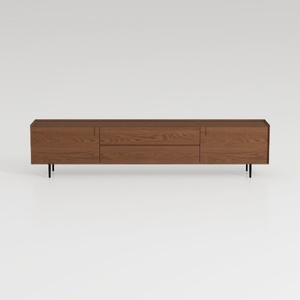

Modern Minimalist Walnut Solid Wood TV Stand with Drawers 3D Model
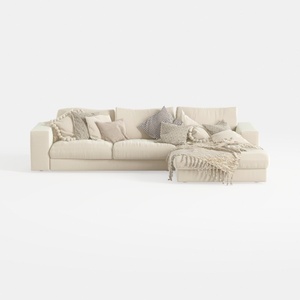
Minimalist Beige Fabric L Shaped Sectional Sofa with Throw Pillows 3D Model
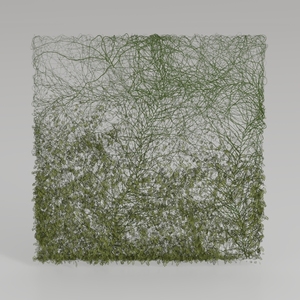
Natural Green Vine Wall Panel Decorative 3D Model
Discover your home's potential with Homestyler! This user-friendly online design platform offers an intuitive design tool, stunning 3D renderings, inspiring design projects, and informative video tutorials. Perfect for anyone looking to create beautiful spaces, no experience needed! Transform your ideas into reality effortlessly.
Concevez maintenant gratuitement
































