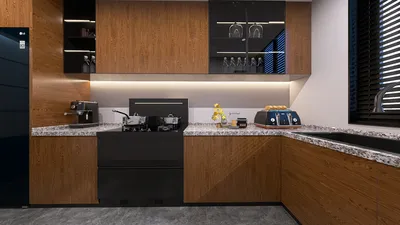


A client once requested a multifunctional kitchen where she could cook, record a podcast, and even practice yoga simultaneously. Although I found it amusing at first, it quickly became clear that effective zoning and circulation are crucial for an efficient kitchen. Whether you're dealing with a cramped galley or a spacious open layout, utilizing an interactive kitchen design can save substantial time and effort.
1. The Efficient Galley: double-run without the claustrophobia
Galley kitchens have a special appeal due to their inherent efficiency. They offer distinct zones for cooking, cleaning, and storage, much like neatly packed luggage. The advantages include a fluid workflow and reduced costs, while the challenges often stem from inadequate lighting or dark cabinetry that create a feeling of confinement. My personal tip is to incorporate sleek upper glass cabinets along with a continuous light strip, which adds depth. Budget-conscious homeowners can benefit from utilizing compact appliances and reflective surfaces to enhance light.
save pin
2. L-Shaped with a Breakfast Nook: social and functional
When a client sought a large island while working within a small budget, I recommended an L-shaped layout featuring a charming breakfast nook. This design provides seating without the expense of an island and keeps foot traffic away from the cooking area, making it ideal for family gatherings. However, this often results in sacrificing a couple of feet of counter space, so appliance placement should be planned meticulously. On one occasion, I fit a cozy banquette into a 9-foot corner, creating an inviting spot that everyone wanted to enjoy.
save pin
3. The Work Triangle Reimagined: zones not lines
Instead of adhering to stringent triangular layouts, consider flexible zones. For instance, place the prep area next to the pantry, position the sink between the stove and the fridge, and introduce a separate serving shelf. This approach works exceptionally well in open floor plans but requires clear visual indicators to prevent guests from inadvertently entering the cooking zone. For those eager to experiment, sketching out your layout can help assess clearances prior to committing to cabinetry.
save pin
4. Compact Island: multitasking without the bulk
An island doesn't need to be oversized to be functional. A compact island equipped with storage, a prep sink, or seating can act as the versatile tool every kitchen needs. Its advantage lies in its flexibility, though it’s essential to maintain at least 42 inches of walkway around it. I once designed a 36-inch-deep island with built-in storage for a baking enthusiast; it had a small footprint but delivered impressive results.
save pin
5. Open Plan with Defined Corners: balance flow and function
While open kitchens can create a sense of spaciousness, they also risk dispersing clutter into the adjacent living spaces. My preferred solution involves creating unique corners for specific tasks: a dedicated coffee area, a baking zone, and a cleaning nook. These spaces maintain visual order while allowing for activity without chaos. To illustrate ideas to clients, I often utilize realistic 3D walkthroughs to explore sightlines and make necessary adjustments before finalizing any materials.
save pin
FAQ
1. What’s the best layout for a small kitchen?
For smaller kitchens, I generally advocate for either a galley or a streamlined L-shape since they maximize both counter space and storage in limited areas. It's crucial to focus on continuous prep surfaces and vertical storage solutions to keep countertops clear.
2. How much clearance do I need around an island?
An ideal clearance is about 42 inches for kitchens catered to one cook, while 48 inches may be necessary for multiple cooks or when several appliance doors need to remain open. Less than 36 inches can create a cramped experience and impede movement.
3. Are open-plan kitchens still a good idea?
Absolutely, provided that you plan zones and storage strategically. Open layouts enhance social interaction, but it's essential to manage sightlines and prevent noise disruptions through defined areas or partial walls.
4. How do I improve storage without increasing footprint?
Consider tall cabinets, pull-out pantry systems, toe-kick drawers, and vertical dividers. Quality hardware and inner organization options often yield more efficiency than simply adding linear feet of cabinetry.
5. What’s the cost difference between layouts?
Layouts that make use of existing plumbing and electrical setups tend to be more economical. Moving utilities or installing an island with a sink significantly raises costs—so budget accordingly and obtain multiple contractor quotes.
6. How do I plan appliance placement?
Keep workflow in mind: for instance, position the fridge near the entry point, the sink adjacent to the dishwasher, and ensure the stove has ample counter space with ventilation options on both sides. Marking clearances with tape on the floor can help visualize the final layout before making any decisions.
7. Are there industry guidelines for kitchen spacing?
Yes, organizations like the National Kitchen & Bath Association (NKBA) publish comprehensive guidelines concerning appliance spacing and work zones (detailed information can be found at NKBA.org). Adhering to these guidelines can help prevent functional errors during your kitchen design process.
8. Can I do a DIY layout or should I hire a designer?
If your project is relatively minor and you feel confident in your measuring and visualization skills, a DIY approach with careful planning is feasible. However, for significant remodels involving the relocation of utilities, structural alterations, or intricate cabinetry, engaging a designer can save both time and money in the long run.
save pin
Homestyler is your go-to online home design platform! With its user-friendly design tool, stunning 3D renderings, and a wealth of DIY video tutorials, you can effortlessly create and visualize your dream spaces. Unleash your creativity and transform your home today!
Progetta ora GRATIS
































