


Function halls have evolved from static spaces merely suitable for banquets and presentations. In the modern era, these venues need to seamlessly transition between corporate conferences, weddings, exhibitions, and hybrid events—often in just a matter of hours. My expertise in planning multi-functional spaces emphasizes the importance of adaptability, excellent acoustics, effective lighting control, and optimal guest flow, all of which are essential for achieving impactful results. Research from Gensler shows that when spaces cater to both concentration and collaboration, they receive higher ratings; workplaces with a diverse range of environments achieve a 14% increase in average effectiveness. This insight is directly relevant to event spaces where focused breakout sessions and social interactions must be balanced. Additionally, WELL v2 emphasizes how lighting, acoustic comfort, and movement enhance experiences and well-being, providing a valuable performance framework for function halls. The use of tools like Homestyler can significantly aid in visualizing these dynamic layouts.
The significance of lighting can make a staggering difference between a simply good event and an unforgettable one. The Illuminating Engineering Society (IES) provides guidance on tailored illuminance levels for various tasks—around 300–500 lux is ideal for presentations, while dining spaces should be set at about 100–300 lux, with careful attention to glare and dimmable options. Furthermore, insights from Steelcase reveal that environments promoting changes in posture and user control can enhance engagement; when applied to events, this translates into adaptable seating, customizable lighting scenarios, and readily accessible power sources, greatly benefiting both speakers and attendees. Such data underscores the necessity of designing function halls that function as flexible tools rather than fixed settings.
Design Vision: A Hall That Adaptively Transforms
I begin by outlining essential use cases: keynote addresses, banquets, trade exhibitions, workshops, hybrid streaming, and receptions. Each of these scenarios imposes unique requirements regarding sightlines, stage placement, aisle widths, table arrangements, and acoustic zones. The layout needs to shift between theater mode (with 1.0–1.2 m row spacing for easy movement), banquet style (offering 1.5–1.8 m aisle widths for service and accessibility), and expo format (featuring 3–4 m primary aisles for two-way traffic). While simulating layouts, I focus on creating walking pathways to avert congestion and include storage areas close to the stage for quick transitions. If you are experimenting with various configurations, using a room design visualization tool like Homestyler can help you visualize changes and flow before making physical adjustments.
Spatial Ratios and Sightlines
In events like keynotes and performances, maintaining a stage-to-audience depth ratio of approximately 1:3 ensures speakers are audible and visible while retaining a sense of intimacy. For smaller venues, I strive for a minimum of 7.5 m clear viewing depth, and for larger halls, I aim for 18–24 m with image magnification. It’s vital to keep the lowest fixture or soffit edge above 3.6 m when possible to minimize sightline obstructions and enhance projection distances. Avoid placing columns within the primary visual line; when structural posts are unavoidable, use acoustic treatments to lessen noise and incorporate wayfinding lighting to reduce visual distractions.
Lighting: Layered, Dimmable, and Camera-Friendly
Implement a multi-layered lighting design that includes ambient light (soft and glare-controlled), task lighting (for podiums, registration, and catering), and accent lighting (such as wall washes and stage highlights). Strive for 300–500 lux for presentations, 150–300 lux for dining, and 750–1,000 lux at preparation areas. Maintain a correlated color temperature (CCT) of 3000–3500K for social events and 3500–4000K for conferences, adjusting lighting scenes to resonate with the event's energy. Use track lights with 20–40° beam angles to illuminate the stage effectively, and add indirect cove lighting for an even ceiling brightness. Dimming to 1% allows for smooth transitions. For optimal camera recording, it’s crucial to prevent mixed color temperatures within a single frame; collaborate with AV teams to ensure flicker-free operation and adequate vertical illuminance (≥150 lux) for faces. Incorporating guidelines from WELL v2’s Lighting concept and IES standards ensures visual comfort and glare control, enhancing alertness and mood, particularly with the help of design tools like Homestyler.
Acoustic Comfort: Manage Energy, Don’t Fight It
Function halls can accumulate noise quickly, making acoustic treatment crucial. I achieve a balance by incorporating absorption materials (NRC of 0.7–0.9 on ceilings and important wall panels) combined with diffusion elements at the rear to maintain clarity in speech. Utilization of carpet tiles with dense backing, fabric-wrapped wall panels, and microperforated woods offers a visually pleasing and acoustically effective environment. For hybrid events, ensuring mechanical rooms are isolated and specifying low-noise diffusers is essential. Stage backdrops should include trap bass or heavy drapery to manage sound reverberation. When subdividing the hall with partitions, opt for high-STC operable walls (STC 50+ where budget permits), while ensuring seals are well-maintained to prevent sound leakage, which can undermine concurrent sessions.
Ergonomics and Seating Strategy
Comfort plays a pivotal role in extending dwell time. For lectures, I select chairs that provide lumbar support with a minimum seat width of 450–500 mm; offering armrests occasionally for accessibility is also advisable. In banquet setups, 1800 mm round tables can accommodate 8–10 guests; I ensure a distance of 450–600 mm between chair backs and circulation pathways. To promote posture variation, I install bar-height drink rails along perimeter areas so guests can stand without obstructing service routes. Drawing from Steelcase and Herman Miller studies concerning posture variation and mobility, I introduce leaning perches near networking areas to alleviate fatigue without cluttering the space with excessive seating.
Color and Materiality: Merging Psychology with Practicality
The role of color in setting the social tone is significant. Warm neutrals and muted hues are effective for calming large audiences; a carefully chosen accent palette can guide focus toward entrances, stages, and sponsor walls. Insights from Verywell Mind reveal how blue shades promote concentration while reds elevate energy levels; I selectively employ these elements through the use of lighting gels, LED RGBW scenes, or interchangeable graphic panels, allowing the hall to adapt its mood without needing a full repaint. The materials selected must withstand heavy traffic and banquet usage: it's crucial to opt for high-traffic vinyl or woven stone for service corridors, stain-resistant upholstery, and matte finishes to minimize glare during filming. Wherever feasible, opting for low-VOC finishes and FSC-certified timber enhances sustainability and improves indoor air quality.
Power, Rigging, and AV Infrastructure
Designing power distribution is akin to laying out a grid. I recommend placing floor power outlets every 6–9 m in standard halls, with dedicated 20A circuits for stages, mobile bars, photo booths, and live streaming setups. Above, consider incorporating a rigging grid or unistrut rails for hanging lighting, signage, and soft scenery; the safe working loads need to be accurately documented and easily accessible. Conducting conduit runs to a central AV closet with patch panels can simplify event handoffs significantly. For hybrid setups, ensure camera platforms have unobstructed views, acoustic separation for commentary, and direct hardline network connections at stage and technical tables to prevent Wi-Fi congestion.
Flow, Wayfinding, and Back-of-House Logic
The guest experience begins prior to their arrival. Establish an entrance zone that encompasses registration, bag drop-off, and an easily noticeable orientation wall. Keep back-of-house routes organized and straightforward: service corridors should run parallel to guest pathways, with at least two discrete access points leading to the ballroom to facilitate quick adjustments. For fire safety, ensure clear sightline exits from main seating areas, maintaining a minimum width of ≥1.2 m for minor aisles and ≥1.8 m for main paths. When iterating different seating arrangements, employing an interior layout planner or room design visualization tool like Homestyler can assist in testing clearance and buffet line flow early on.
Flexible Partitions and Intelligent Storage Solutions
Dividing a hall can significantly enhance revenue potential. My preference is for operable walls equipped with acoustic seals, integrated edge lighting for safety, and flush floor tracks. Designate at least 5–8% of the total hall area for storage: various items such as chair carts, lecterns, risers, linen bins, and staging materials need designated spaces. Build high storage (3 m+) with reinforced flooring near loading bays; every minute saved during transitions increases rentable time.
Hospitality Features and Wellbeing Enhancements
Incorporate hydration stations in circulation areas and create quiet spaces furnished with soft seating for sensory breaks—WELL guidance emphasizes the importance of supporting mental recovery. Set up coat checks that double as gifting stations. Integrate biophilic designs—acoustic felt-lined planters or preserved moss walls—to soften sound reflections and promote relaxation. Restroom facilities should have space to accommodate strollers and wheelchairs, full-height stalls wherever possible, and baby-changing counters accessible to everyone.
Sustainability in Operations
Select LED fixtures characterized by high efficacy and replaceable components to prolong lifespan. Modular carpeting systems that allow for spot replacements post-events are ideal. Water-conserving fixtures, induction catering equipment, and reusable session setups can drastically lower long-term costs. Tracking energy usage through submetering for lighting, HVAC, and AV systems enables transparent billing and optimizes consumption profiles for diverse event types.
Trends for 2024–2025: Observations for Longevity
- Infrastructure ready for hybrid use: silent streaming spaces, robust networks, and lighting that supports camera needs.
- Micro-zoning: soft dividers and light settings that define areas distinctively without constructing walls.
- Innovative acoustic ceiling designs: baffles that serve both function and aesthetic purpose.
- High-quality lobbies: comfortable lounge furnishings, branded coffee stations, and artistic wayfinding that enhance the event experience beyond the hall.
- Circular staging kits: platforms that can be reconfigured, reusable scenic frames, and adaptable fabric graphics.
Sample Layout Strategies
- Conference setup (400 pax): Flat floor, 1.1 m row spacing, twin side aisles at 1.8 m, stage 9–12 m wide with flanking LED walls, rear technical riser, face illuminance at 200 lux.
- Banquet setup (300 pax): 30 tables of 1800 mm rounds, 1.8 m main aisles, 1.5 m service loops, pinspot centerpieces, ambient lighting at 200 lux, CCT at 3000K.
- Expo + breakouts: 3–4 m primary aisles, booths of 3x3 m, acoustic pods placed near the perimeter, ceiling baffles aligned to aisles for improved navigation.
Budgeting Priorities That Yield Returns
Invest in acoustic treatments for ceilings, lighting controls that include dimmers, high-STC partitions, and comprehensive power distribution. Cutting costs on finishes by focusing high-end materials at critical touchpoints—like registration counters, stage backdrops, and key visual moments—while keeping less visible areas simple and durable is a wise approach. These investments enhance the attractiveness of the space, simplify transitions between events, and elevate guest satisfaction.
Frequently Asked Questions
For presentations and talks, aim for illuminance levels of 300–500 lux at audience planes, ensuring good vertical light for speaker faces. Dining areas typically function well at 150–300 lux with a warmer color temperature. Preparation and service areas should maintain 750–1,000 lux for safe operations.
Using theater seating coupled with wheeled chair dollies allows for quick resets. It’s important to keep aisles flexible (1.2–1.8 m) and utilize nearby storage solutions for carts. Employ an interior layout planner to visualize clearances and traffic flow ahead of time.
Combine high-NRC ceiling treatments (0.7–0.9) with fabric-wrapped acoustic panels, carpets with robust cushioning, and rear wall diffusers to enhance sound quality. Thick drapes and bass traps should be employed near stage zones.
Maintain a consistent color temperature of 3500–4000K for conferences and 3000–3500K for social functions. Avoid mixing color temperatures in the same camera shot while ensuring you specify flicker-free drivers.
Allocate 5–8% of the total hall area to storage, ensuring that this space contains robust shelving and tall storage solutions for risers, chairs, and scenic tools. Position this area close to loading docks to facilitate fast transitions.
Minor aisles should have a minimum width of ≥1.2 m for seated events, with main corridors measuring 1.8 m or wider. For exhibitions, maintaining 3–4 m wide primary aisles ensures comfortable two-way flow and accessibility.
Opt for modular carpet tiles that feature sound-absorbing cushion backing in audience spaces, while utilizing durable vinyl or composite stone along service corridors. Select matte finishes to minimize glare during video recording.
Ensure hardline network drops are available at stages and tech tables, small streaming/control rooms, with camera platforms affording clear views and adequate acoustic isolation from mechanical noise.
High-performance systems rated STC 50+ will only function well if their seals are properly installed and maintained. Pair with ceiling absorption to limit sound migration.
For lectures, opt for chairs with a width of at least 450–500 mm with lumbar support; dining layouts should ensure a 450–600 mm gap from chair backs to walkways for ease of movement and comfort.
Distribute power outlets every 6–9 m, ensuring dedicated 20A circuits are readily available for stage and vendor needs. Incorporate rigging capabilities overhead and run conduits to an organized AV closet with patch panels for seamless management.
Absolutely. A layered lighting strategy with programmable scenarios—ambient, task, and accent—enables easy transitions from keynote sessions to gala events. Subtle RGBW accents can enhance brand moments without necessitating wall repainting.


Modern Brown Leather L-shaped Sectional Sofa With Throw Pillows 3D Model
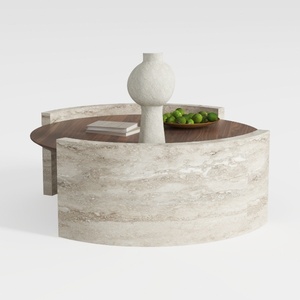
Round Coffee Table,29.52IN Wooden Coffee Table,Mid
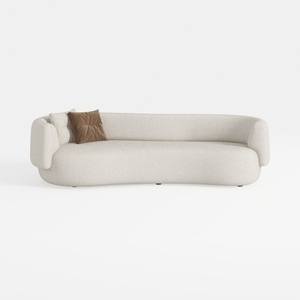
Minimalist Boucle Curved Living Room Sofa 3D Model
Discover Homestyler, your ultimate companion in home design! With its easy-to-use online design tool and stunning 3D renderings, you can effortlessly bring your decorating dreams to life. Dive into a wealth of design projects and insightful DIY video tutorials to inspire your creativity—perfect for both novices and pros!
Design jetzt kostenlos
































