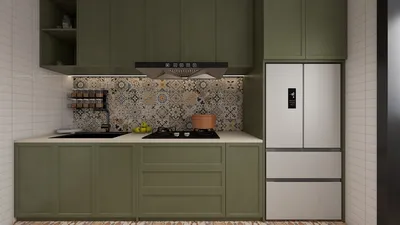


I once had a client request a bathroom reminiscent of a riad, but it had to fit into a former pantry space. I chuckled, created some sketches, and then utilized a 3D modeling tool like Homestyler to visualize the idea and prevent any design mishaps. Compact areas demand innovation: a single decorative tile or an elegantly arched niche can transform a space into a narrative. In this article, I will present five Moroccan-style bathroom ideas that I rely on, designed to elevate small bathrooms into luxurious retreats without exceeding the budget.
1. Striking Zellige or Hand-Glazed Tile Feature Wall
I enjoy incorporating zellige or hand-glazed tiles on a dedicated accent wall behind the sink or tub. Their unique gloss instantly infuses the space with warmth and authenticity. The advantage is the significant visual appeal for a relatively modest investment; however, upkeep of the grout and matching colors for repairs can be tricky. My suggestion is to decide on a limited color scheme and grout type from the outset to ensure future touch-ups blend seamlessly.
save pin
2. Curved Arches and Nooks
Arched entryways and recessed niches evoke Moroccan aesthetics without overwhelming pattern usage. These features are ideal for smaller bathrooms since the curves direct the eye and soften sharp angles. One minor challenge is that carpentry or plaster changes can increase costs, but I often create an arch illusion with drywall and smart trim techniques to save on expenses.
save pin
3. Layered Floor Patterns
Cement or encaustic-style patterned tiles on the floor establish the room's foundation and complement simpler wall finishes beautifully. The benefit is clear — immediate character; however, intricate flooring requires subdued fixtures to prevent visual clutter. Budget-friendly tip: use patterned tiles judiciously in wet areas and neutral, larger tiles in other sections.
save pin
4. Inviting Metals and Lantern Fixtures
Brass or weathered bronze fittings along with a hanging lantern transform small Moroccan bathrooms into cozy, hotel-like sanctuaries. Warm metals develop a beautiful patina over time but can clash with cooler plumbing features; therefore, it is best to choose one type of metal and stick to it. For a budget-friendly ambience, I suggest opting for a prominent pendant light combined with recessed lighting for practical use.
save pin
5. Textiles, Greenery, and Reflective Surfaces for Depth
Incorporating textiles — such as a decorative hand towel, a leather stool, and woven baskets — brings warmth and tactile diversity to tile-heavy environments, while plants (even a small palm) introduce a refreshing element. Mirrors with rounded designs or mashrabiya-like screen patterns amplify light and create a spacious illusion. The drawback is regular upkeep: textiles and plants require care in humid settings, so emphasize good ventilation.
If you intend to prototype quickly, using a bathroom design tool like Homestyler for mockups helps you visualize scale and tile arrangements before making any firm decisions. This approach saves countless hours of revisions and sleepless nights.
save pin
Practical Budgeting Strategies
Begin with a single impactful element (tile wall, pendant lighting, or patterned flooring) while keeping remaining features neutral to manage expenses. Reusing existing plumbing layouts can also be cost-effective — consider substituting pricey marble with porcelain that imitates its appearance. Simple DIY enhancements, like hanging a woven mirror or painting a niche, can result in significant style upgrades for minimal costs.
Lastly, embrace the mix of vintage and contemporary: pairing a thrifted brass mirror with modern fittings creates an authentic look without incurring high antique expenses. In tighter timelines, I occasionally utilize AI interior design platforms such as Homestyler for rapid palette generation and layout drafts, which I further refine manually.
save pin
Frequently Asked Questions
Q1: What characterizes Moroccan decor in a bathroom?
A: Moroccan style blends vibrant geometric tiles, warm metals, flowing arches, layered textiles, and abundant greenery. It emphasizes patterns and textures rather than strict color schemes, so select one or two standout features to maintain balance.
Q2: Are zellige tiles practical for compact bathrooms?
A: Indeed — they are robust and water-resistant, although their uneven surfaces can lead to grout lines collecting dirt more easily, so opting for darker grout or committing to regular cleaning is advisable.
Q3: How can I achieve a Moroccan ambiance on a limited budget?
A: Certainly. Focus on one standout area (like a tiled niche or distinctive pendant light), choose economical porcelain mimicking cement tiles, and incorporate affordable textiles and plants for added layers.
Q4: What lighting is most suitable for a Moroccan bathroom?
A: The best option is layered warm lighting: a central lantern or pendant for ambiance and additional task lights by the mirror. Using dimmable fixtures allows for a quick transition from functional to atmospheric lighting.
Q5: How should I manage humidity with textiles and plants?
A: Ensure proper ventilation (install an extractor fan that vents outdoors), utilize moisture-resilient plants like ferns or palms, and select quick-drying textiles. According to the National Kitchen & Bath Association (NKBA), effective ventilation is critical in preventing mold and extending the life of finishes (https://www.nkba.org/).
Q6: Which metals complement Moroccan tiles best?
A: Warm metals such as brass, aged bronze, or satin gold harmonize beautifully with rich jewel-toned or earthy tiles. Maintaining consistency in metal finishes is essential for creating a cohesive look.
Q7: Can I incorporate Moroccan elements into modern or minimalistic bathrooms?
A: Absolutely — introducing Moroccan accents, like a patterned floor tile or an arched mirror, against a neutral minimal backdrop creates a sophisticated, eclectic appearance without overwhelming the space.
Q8: How do I plan tile arrangements to avoid a dated look?
A: Stick to timeless geometric layouts and select neutral grout options, while steering clear of overly trendy color combinations. Classic palettes (deep blue, terracotta, cream) paired with straightforward fixture choices ensure the design remains enduring and adaptable.
save pin
Homestyler is your go-to online home design platform! With its user-friendly design tool, stunning 3D renderings, and an array of inspiring design projects and DIY video tutorials, transforming your dream space has never been easier. Start creating your perfect home today!
Design Now for FREE
































