


When it comes to selecting between a modular kitchen and a traditionally built kitchen, the decision often hinges on craftsmanship, flexibility, and long-term benefits. Based on my extensive experience over the last ten years, the most significant differences appear in areas such as ergonomics, lighting integration, sound control, and upkeep. Research in work environments shows that intentionally designed spaces enhance productivity; for instance, a study by Herman Miller on performance indicates that human-centered design can significantly boost efficiency—principles that are equally applicable to residential kitchens. Furthermore, the WELL v2 standard emphasizes the essential nature of visual and thermal comfort for health. It highlights the importance of adjustable lighting and materials with low VOCs, aspects that are more easily incorporated within modular kitchen systems.
In terms of durability and serviceability, modular kitchens generally take the lead. Studies by Steelcase reveal that adaptable and reconfigurable environments can lower lifecycle costs; their research on workplace flexibility is quite illuminating. In a kitchen context, modular components can be upgraded or replaced without the need for a complete teardown. Sensory aspects also play a critical role; the colors chosen in a kitchen are not merely for aesthetics. Research on color psychology from VerywellMind suggests that the finishes and tones can impact appetite and mood. A modular palette allows for easier adjustments over time without the need to redo extensive millwork.
Understanding the Concepts: Construction Logic and Versatility
A modular kitchen consists of pre-fabricated units such as base cabinets, wall cabinets, tall storage, and appliance housings that come together on-site. In contrast, a traditional kitchen is often custom-built or semi-custom by carpenters, tailored to fit the specific dimensions and nuances of walls and floors. Modular options offer advantages in terms of precision, repeatability, concealed hardware, and rapid installation, while traditional kitchens favor artisanal craftsmanship and unique detailing. I have observed that modular designs are particularly advantageous in compact urban apartments where space is limited. Standardized corner units, pull-out pantries, and integrated toe-kick storage can alleviate circulation issues that might be miscalculated in onsite constructions.
Ergonomics and Human Considerations: Optimizing Heights, Reach, and Workflow
Cooking involves a sequence of actions—prepping, washing, cooking, and plating—and efficient kitchen setups minimize unnecessary movements and difficult reaches. Modular systems inherently design for ergonomic standards: counter heights typically range from 34 to 36 inches, upper cabinet placements keep frequently used items within easy reach (20 to 25 inches), and drawer-based base units reduce the need for bending. The human-centered approach from WELL v2 aligns perfectly with this ergonomic philosophy; their framework outlines comfort criteria. Traditional kitchens can achieve similar ergonomic benefits, but consistency relies heavily on the carpenter’s expertise and on-site measurements. For households with multiple users, adjustable toe-kicks and different counter heights, like a lower baking station, become much easier to implement with modular catalogs.
Strategic Flow: Zones, Movement, and Clearances
In smaller spaces, the L-shape and parallel galley layouts prove to be more effective than islands, particularly for frequent cooking. For families that entertain often, an island with a 42-inch circulation path ensures smooth traffic flow. Modular kitchen catalogs include pre-designed units such as corner carousels, pull-out spice racks, and tray dividers, which enhance the layout logic. If you're exploring different options, utilizing a room layout tool can help visualize clearances, appliance doors, and workflow before committing to any design.
Illumination: Task, Ambient, and Glare Management
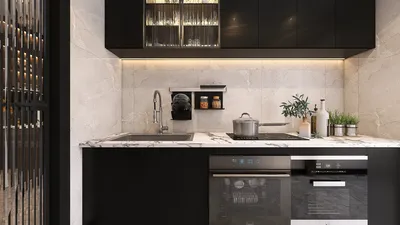
An effective kitchen incorporates multiple layers of lighting: task lighting underneath cabinets (300-500 lux at countertops), ambient overhead lighting, and accent lighting to reduce harsh contrasts. The Illuminating Engineering Society provides valuable standards for kitchen task illuminance; refer to their targets for guidance. Modular designs often include continuous LED strips with built-in diffusers, which mitigate glare and shadowing compared to fixtures that are added later in traditional kitchens. For evening dining, warm-white (2700–3000K) tones are ideal, while neutral-white (3500–4000K) is preferable for food preparation and accurate color rendering. Utilizing dim-to-warm LEDs can help transition seamlessly from cooking to entertaining.
Materials: Longevity, Maintenance, and Ecological Considerations
Manufacturers of modular kitchens typically provide engineered boards with moisture-resistant melamine or high-pressure laminates, as well as robust compact laminates for high-wear areas. Attention to edge-banding quality and carcass density is crucial—prioritize consistent edges and robust backs to prevent racking. In traditional kitchens, the material selections can be completely custom, ranging from solid wood frames to intricately hand-sprayed finishes; upkeep and refinishing become part of regular maintenance. For countertops, materials like quartz and sintered stone offer stain resistance with minimal upkeep, while butcher block provides warmth but requires periodic oiling. WELL v2 promotes the use of low-emitting materials—an area where many modular manufacturers can provide certification and documentation.
Color Influence and Aesthetic Harmony
Color not only influences appetite but also contributes to perceptions of cleanliness. Neutral colors—like soft greys and warm whites—help maintain a calm atmosphere in kitchens and make changes in daylight less stark. More vibrant shades like reds or oranges can provide energy, but I suggest using them as highlights (backsplash tiles, seating) to prevent overwhelming visual fatigue. The color psychology overview serves as a handy reference for understanding mood connections. With modular kitchen systems, it's easy to swap out door fronts without disturbing the main carcass, which is highly beneficial when it comes to updating an aging palette or preparing for resale.
Storage Solutions and Accessories
Drawers are typically more efficient than deep shelves for storing pots and pans—full-extension runners, deep sides, and soft-close mechanisms ensure usability. Incorporating pull-out recycling bins near the sink simplifies cleanup. Tall pantries with internal drawers help prevent the classic challenges of losing items behind various packages. Modular systems excel in this area because accessories are designed and tested as a complete unit; traditional kitchens can achieve similar functionality, but this often requires careful coordination between different hardware brands and carpentry tolerances.
Sound Control and Appliance Integration
Kitchens inevitably create noise—from range hoods and dishwashers to the clattering of cookware. Opting for low-sone hoods and sound-insulating dishwasher panels can significantly reduce overall noise levels. Modular assemblies can integrate acoustic backing boards and rubber isolators around appliance installations, effectively dampening vibrations. In normal kitchens, I often retrofit soft-close dampers and place acoustic mats under the sink base; although effective, this approach lacks the sleekness of factory-integrated options.
Installation, Tolerance Levels, and Maintenance
The installation of modular kitchens is expedited: leveling the rails, placing the bases, aligning doors, and connecting built-in lighting can be done efficiently. The precision tends to be higher since drilling and routing occur in a controlled manufacturing environment. Traditional kitchens might allow for more on-site adaptations, which is advantageous for older homes with uneven walls, but such projects often depend on a skilled team and more time. The real test typically manifests five years down the line: with modular kitchens, damaged doors can be swapped, or you can upgrade components over the weekend; with traditional setups, refinishing demands more extensive work.
Financial Considerations, Lifecycle Benefits, and Resale Potential
The initial expense can vary based on brand and finish chosen. Modular options may seem more expensive at first glance, particularly when selecting premium hardware, but the cost savings from easy replacements and reduced downtime frequently make it a worthwhile investment. Research from Steelcase regarding adaptable environments indicates that flexibility helps lower churn costs; this principle translates to kitchens, especially as families evolve or cooking patterns change. For resale value, buyers generally appreciate the sleek lines and improved efficiency of modular kitchen systems that feature updated lighting and organized storage.
Emerging Trends for 2024–2025: Health, Technology, and Low-Maintenance Materials
Current design projects are increasingly leaning towards antimicrobial, low-VOC materials, integrated task lighting, and smart pairing between cooktops and range hoods. Matte finishes with high abrasion resistance are preferred to minimize fingerprints. Due to ventilation needs and energy considerations, induction cooking is becoming more prevalent in urban areas. Modular vendors are pioneering solutions that include compatible housings and streamlined cable management, making upgrades a straightforward process.
When a Traditional Kitchen Might Be Preferable
In cases where heritage features need to be preserved, or if the walls present considerable irregularities, opting for a traditional kitchen might be the wiser choice. I have also specified traditional constructions for clients desiring unique timber accents, specialized plaster finishes, or integrated nooks that cannot be replicated with catalog modules. The key is to engage a carpenter or millwork shop with proven expertise in ergonomic layouts and durable finishing.
Decision-Making Checklist
- How frequently do you cook, and for how many people?
- Is flexible storage that adapts over time necessary for you?
- Are you planning to upgrade appliances in the next 5–8 years?
- Is a quick, low-disruption installation important to you?
- Do you prefer a cohesive, modern aesthetic or the charm of handcrafted details?
- How old or uneven are the walls and floors in your space?
- What are your expectations regarding lighting and sound performance?
Frequently Asked Questions
Yes, modular kitchen designs typically adhere to standard heights, reaches, and drawer-based storage configurations. While traditional kitchens can match these, they require precise planning and skilled execution.
Modular kitchens tend to be quicker to install due to their factory fabrication and pre-drilled hardware pathways. Normal kitchens often involve more on-site cutting and finishing, extending the overall timeline.
Indeed—many modular lines feature shaker fronts, wood veneers, and decorative panels. However, for intricate hand-carved details, a traditional kitchen is usually more appropriate.
Aim for 300-500 lux on worktops, avoid glare with under-cabinet LED lights, and ensure ambient light can be dimmed as needed. Refer to IES standards for guidance on task illuminance.
Yes, modular kitchens generally allow for easy swapping of damaged doors or components without affecting the overall structure. Traditional kitchens might require refinishing or custom repairs.
Select low-VOC boards, paints, and adhesives. The WELL v2 overview offers vital strategies for choosing healthier materials, relevant for both modular and conventional kitchens.
Warm neutrals can create a calming environment while vibrant colors can energize but may lead to visual fatigue over time. Check color psychology resources for more on mood effects.
Typically, yes. Modular systems can help maximize compact spaces, making them function more efficiently than you might expect from their footprint.
Both options provide strong customization capabilities. Traditional kitchens can achieve bespoke carpentry and on-site adaptations, whereas modular kitchens offer a comprehensive catalog with consistent finishes and hardware.
Establish clear zones for prep, washing, and cooking, assess appliance clearances, and uphold circulation pathways (ideally 36-42 inches). Use an interior layout planner to visualize your design choices.
It is important to choose low-sone hoods, insulate appliance areas, and utilize soft-close hardware. Modular kitchens often incorporate dampers and isolators more seamlessly than traditional methods allow.
Not necessarily. While initial costs can vary, lifecycle savings—from easier part replacements and reduced downtime—can make modular kitchens competitive over time.
Homestyler's roots trace back to Autodesk, the global leader in design and engineering software. That heritage lives on in every feature we build. Today, with a community of more than 20+ million registered users (platform data, 2026) worldwide, Homestyler continues to make professional-quality interior design accessible to everyone — from first-time decorators to seasoned architects.
Homestyler is your go-to online platform for home design! With its user-friendly design tool, stunning 3D renderings, and a wealth of DIY video tutorials, you can effortlessly transform your ideas into reality. Explore endless design projects and bring your dream home to life today!
Design Now for FREE