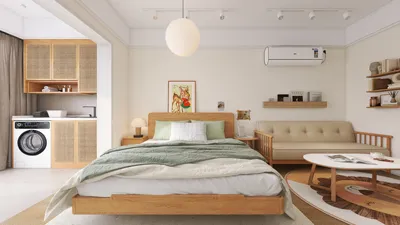


Incorporating personal style into your living space can be as inspiring as following iconic figures like Miss J Alexander, known for his dynamic fashion presence. After significant life changes, creating a home environment that reflects resilience and personality becomes essential. Thoughtful furniture choices and space planning can transform your interior into a sanctuary that celebrates individuality and fosters well-being.
Direct Answer
Modular home floor plans often offer the highest degree of customization and most closely resemble traditional house designs because modules are manufactured in sections and then assembled onsite. Manufactured home floor plans adhere to more rigid factory regulations, typically limiting structural adaptability. Prefabricated designs fall somewhere in between, utilizing panels or components that permit moderate customization but are heavily dependent on the construction approach.
Quick Takeaways
Introduction
Over the past ten years, I have assisted numerous clients in comparing modular home floor plans to manufactured and prefabricated layouts. Many assume these types of housing are virtually the same, but significant differences exist. Variations in floor plan flexibility, structural constraints, and long-term usability profoundly impact homeowners.
A common mistake buyers make is judging solely by price per square foot. In truth, the underlying layout system influences your ability to alter rooms later, expand the residence, or correctly position it on your plot.
Many designers now leverage advanced tools like Homestyler to visualize full home layouts before building starts. Early insight into circulation patterns, furniture placement, and structural modules helps avoid costly errors.
This guide distinguishes modular, manufactured, and prefab house layouts based on key homeowner concerns: flexibility, cost implications, and sustainability over time.
save pin
Understanding Modular Home Floor Plans
Key Insight: Modular homes mirror traditional architecture more closely because independent modules connect to form a complete structural unit.
Unlike manufactured homes, modular units are constructed offsite in segments, transported, and then set on permanent foundations. From a design standpoint, this method offers greater versatility.
The modular system enables architects to combine several sections into expansive layouts similar to conventional residences.
Typical modular layout features include:
In a Northern California project, a client desired an expansive kitchen-living area. By joining two 14-foot modules, we crafted a 28-foot great room with ease—something challenging on a manufactured home chassis.
According to the Modular Building Institute, modular construction is gaining traction for full residential builds since it complies with local building codes like site-built homes.
save pin
How Manufactured Home Layouts Differ
Key Insight: Manufactured homes rely on a fixed steel chassis, restricting structural modifications and expansion potential.
Manufactured homes are built according to HUD standards rather than local codes, a distinction that shapes their floor plan designs.
The steel chassis dictates dimensions and points of structural support, resulting in more predictable and uniform layout patterns.
Common manufactured home structures include:
A frequent surprise for buyers is the difficulty in removing interior walls, as many support vital loads tied to the chassis.
While manufactured homes excel in efficiency and affordability, their design flexibility differs markedly from modular homes.
Prefab and Panelized House Floor Plan Structures
Key Insight: Prefabricated and panelized homes emphasize rapid construction combined with moderate layout flexibility.
Prefab housing encompasses modular, panelized, and kit homes; however, panelized construction is distinct because it ships wall sections, roof trusses, and floor systems rather than entire modules.
How prefab panelized systems generally function:
This balance lets designers achieve speedy assembly while offering layouts nearly identical to site-built residences.
When clients wish to test various layout options early, I frequently suggest leveraging interactive tools such as Homestyler. These assist in identifying circulation challenges prior to construction.
save pin
Cost and Flexibility Comparison Between Layout Types
Key Insight: The least expensive floor plan system often lacks adaptability.
One consistent observation is that buyers often overlook how layout restrictions impact daily living quality over time.
General overview:
A hidden expense emerges when renovating. Structural wall removal or home expansion in manufactured homes necessitates major work, whereas modular designs typically permit additions with greater ease.
The National Association of Home Builders reports modular construction growth is fueled by homeowner preference for layout flexibility rather than just lower upfront costs.
save pin
Customization Options Across Modular and Prefab Designs
Key Insight: Structural system choice influences customization more than the actual square footage.
Many believe that larger homes automatically provide better flexibility. In reality, how the home is built determines modifiability.
Typical areas where modular homes accommodate customization include:
Panelized prefab homes similarly support many customization features, but advance planning is critical.
Mapping room flow early with tools like Homestyler enables experimentation with layouts to uncover inefficiencies or awkward transitions before finalizing designs.
Which Floor Plan Type Works Best for Different Buyers
Key Insight: Selecting the ideal floor plan depends more on your intended duration of residence than the construction technology itself.
Based on years of experience, clear patterns emerge regarding which buyers benefit most from each layout system.
Manufactured home layouts suit:
Modular home floor plans suit:
Prefab panelized homes serve:
Answer Box
Modular home floor plans generally provide the optimum blend of customization and structural durability. Manufactured homes emphasize cost savings and factory production efficiency, while prefab panelized options enable quicker builds with a moderate degree of layout flexibility.
Final Summary
FAQ
1. What is the primary distinction between modular and manufactured home floor plans?
Modular plans consist of sections assembled on foundations allowing greater customization, whereas manufactured homes rest on fixed chassis conforming to HUD regulations.
2. Are prefab house layouts identical to modular layouts?
No; modular homes belong to prefabricated housing types, but others rely on panel or kit assemblies rather than full modular units.
3. Which floor plan is superior: modular or prefab?
Modular homes usually offer enhanced structural adaptability; panelized prefab homes may provide more design creativity depending on the system used.
4. Can modular home floor plans be tailored?
Yes, many modular home designs allow modifications to room sizes, flow, and module additions.
5. Are manufactured homes more affordable?
Typically yes, due to standardized designs and mass factory production.
6. Is it possible to expand a modular home after construction?
Often yes, provided structural planning supports additional modules or extensions.
7. Do prefab homes comply with local building codes?
Most modular and panelized prefab homes meet local code requirements, while manufactured homes follow federal HUD standards.
8. Why do modular homes offer greater layout flexibility?
Because modular designs distribute structural loads across multiple sections rather than relying on a single chassis frame.

Dining Chairs Set of 4 Modern High Backrest

Cute Cartoon Antler Kids Plastic Chair 3D Model

Limari Home Canella Collection Modern Style Leathe
Homestyler offers an easy-to-use online design tool with stunning 3D renderings, a vast collection of interior projects, and helpful DIY video tutorials—perfect for bringing your home design ideas to life effortlessly.
立即免费设计
































