

Direct Answer
The distinction between modern and traditional front door design lies primarily in materials, simplicity of appearance, and the architectural context. Modern doors highlight sleek lines, use materials like glass and steel, and avoid excessive decoration, whereas traditional doors emphasize symmetrical design, detailed woodwork, panels, and ornamental trim. Selecting the ideal style depends largely on your home's architecture, local climate, and maintenance preferences.
Quick Takeaways
Introduction
Homeowners frequently ask about choosing between modern and traditional front door designs during renovations. The front entrance is more than just an entry—it establishes the visual theme of your entire home and shapes guests' first impressions before stepping inside.
Through my decade of experience with residential projects, I've observed that many people select door styles based on appealing photos found online. However, this often causes stylistic mismatches—for instance, a frameless glass door might look stunning on Pinterest but seem out of place on a colonial or craftsman style house.
When designing an entryway, I recommend starting with spatial planning and flow. Many homeowners find value in using simple layout tools, such as Homestyler, to visually map circulation before deciding on a style. If you’re still designing your entry space, this guide on creating a clear entry layout using easy floor plan tools can help visualize door placement, lighting, and pathway alignment.
In this article, I'll explain the key differences between modern and traditional entrance styles, reveal hidden costs that are usually overlooked, and help you choose the entrance design best suited to your home's architecture.
save pin
Why the Front Door Style Defines the Home Entrance
Key Insight: The front door serves as the architectural focal point for the entire entry facade.
Even though entrances generally cover less than 10% of a home's exterior wall, they heavily influence how the whole house is perceived visually. Designers refer to this as the "focal threshold," connecting outdoor identity with the indoor experience.
From a design perspective, three elements contribute to this initial impression:
According to the American Institute of Architects, entrance designs should convey hierarchy, making the entry easily recognizable from the street through size, contrasting materials, or framing.
Modern entrances achieve this with bold simplicity, while traditional entrances use layered decorative features.
Modern Entrance Design Characteristics
Key Insight: Modern front doors prioritize simplicity, geometric form, and material contrast over ornamentation.
Modern entrance styles grew out of mid-century and contemporary architecture, focusing on clarity—every design element has intent, omitting needless decoration.
Common modern entryway features I’ve encountered include:
One often overlooked detail is scale; modern doors tend to be larger than traditional doors. While standard doors measure about 36 inches wide, modern entrances often range between 42 to 48 inches wide or utilize full-height pivot mechanisms.
This increased size enhances daylight penetration and reinforces the home's architectural presence.
save pin
Traditional Front Entrance Features
Key Insight: Traditional entrances emphasize skilled craftsmanship, harmonious symmetry, and inviting warmth.
Rooted in classical design principles, traditional entrances convey quality and permanence through balanced proportions and ornamental details.
Typical elements of traditional doors include:
In practice, traditional entrances feel cozier largely due to textural richness—wood grains, molding shadows, and layered trims create a depth that modern designs tend to avoid.
However, this textured warmth comes with added upkeep; wood doors require consistent sealing and protection from harsh weather, especially in humid or rainy areas.
Modern vs Traditional Key Differences in Materials and Layout
Key Insight: The fundamental distinction between modern and traditional entrances lies in their material philosophies rather than just aesthetics.
Modern designs favor industrial materials and seamless transitions, while traditional designs lean on natural materials combined with layered detailing.
The usual comparison in real-world projects is:
Another important but often neglected difference concerns space planning. Modern homes frequently blend entrances with open interior layouts, whereas traditional homes usually include a defined foyer.
If you're developing both the entrance and interior pathways simultaneously, mapping the entry area using home design software like Homestyler can help avoid cramped foyers or awkward door swings by visualizing space and furniture flow.
save pin
How to Choose the Right Style for Your Home Architecture
Key Insight: Home architecture should guide your front door style choice first, followed by personal preferences.
A common pitfall is mixing incompatible styles—for example:
A useful rule of thumb is:
If you’re exploring options, reviewing realistic examples of complete home entrance visualizations created with interior design tools such as Homestyler can assist in determining which styles harmonize with your home’s character.
save pin
Answer Box
The choice between modern and traditional front doors hinges on architectural compatibility. Modern doors showcase minimal lines and industrial materials, whereas traditional doors focus on wood craftsmanship and balanced design. Selecting the style aligned with your home's architecture yields the most cohesive appearance.
Cost and Maintenance Differences Between Styles
Key Insight: Traditional doors often have lower upfront costs but require more maintenance over time.
Contrary to common belief, modern front doors aren’t always pricier. Overall expense depends largely on the materials and hardware selected.
Energy efficiency is a further consideration, with modern insulated doors featuring thermal cores often outperforming older wooden doors in extreme climates.
Final Summary
FAQ
1. What differentiates modern and traditional front door designs?
Modern doors employ clean geometry and materials like metal and glass, while traditional doors incorporate wood panels, symmetry, and decorative trims.
2. Which entrance style enhances home value more?
Neither style inherently increases value; a door that complements the home architecture improves curb appeal and resale impressions.
3. Are modern front doors more expensive?
Not necessarily. Basic fiberglass modern doors can be affordable, while custom pivot doors may cost more.
4. Is wood still suitable for front doors?
Yes, hardwood doors remain robust and warm in appearance but require regular weather protection and sealing.
5. What is a typical size for modern front doors?
Modern doors often measure between 42 and 48 inches in width, sometimes featuring floor-to-ceiling pivot designs.
6. Can a modern entrance suit a traditional house?
Yes, but it requires careful design balance to avoid looking out of place.
7. Which materials offer the longest lifespan for exterior doors?
Steel and fiberglass doors generally provide superior durability and weather resistance.
8. How do I select the best front door style?
Begin with your home’s architectural style, then factor in climate, maintenance, and personal curb appeal preferences.
References
Meta TDK
Meta Title: Front Door Design Ideas: Modern Versus Traditional Entrance Styles
Meta Description: Explore a comparison of modern and traditional front door design ideas, materials, costs, and architectural fit to help choose the optimal entrance style for your home.
Meta Keywords: modern vs traditional front door design, home entrance style comparison, front door design ideas for houses, contemporary vs traditional entry design

Modern Black Metal Console Table with Mesh Tray 3D Model

Vintage Distressed Solid Wood Sideboard Cabinet with Drawers 3D Model
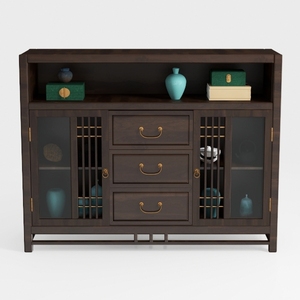
Traditional Solid Wood Brass Accent Glass Front Sideboard Cabinet 3D Model
Homestyler offers an easy-to-use online home design tool with stunning 3D renderings, inspiring design projects, and helpful DIY video tutorials. It's perfect for bringing your interior decoration ideas to life quickly and beautifully. Give your home a fresh new look today!
Design Now for FREE
































