

As we look to the future, our living spaces are continuously evolving, yet common challenges like congested entries, distracting overlaps, and inefficient stair designs persist. Current trends tracked by AIA indicate a shift towards tighter designs and enhanced performance, while Zillow and NAHB point to buyers seeking flexible room arrangements. Within this context, a meticulously designed two-storey house floor plan with elevation transforms into more than mere blueprints; it acts as a comprehensive strategy for modern living. I perceive it as a toolkit for spatial reasoning, already envisioning how the habits of tomorrow will unfold across these spaces.
Split-Level Ground Floor + Tranquil Upper Level
Design Logic: Public spaces reside below while private zones above create a classic layout adjusted for hybrid work and the clean boundaries required by future lifestyles.
Flow: From the entrance to the drop zone, kitchen hub, living edge, and a stairway that organizes movement to a serene upper tier; pathways function as unobstructed threads.
Sightlines: An axial front-to-rear view establishes orientation; a vertical slit in the stairway offers a glimpse of the sky, subtly indicating the day's progress.
Storage: The mudroom serves as a cache, the pantry acts as a substantial buffer, and drawers under the stairs function as swift memory storage.
Furniture Fit: Sofa dimensions of 36-38 inches, a dining table measuring 72x36 inches, and a stair landing serving as a micro desk for quick tasks provide optimal comfort.
Verdict: This design accommodates family dynamics, balancing social gatherings with focused work over the next five years.
save pin
Side-Core Staircase + Double-Height Living Area
Design Logic: A lateral stair core enhances natural light and presents elevation as a narrative surface—more than just an exterior layer.
Flow: An outer perimeter loop facilitates movement without collisions—kitchen to dining to living; the stairway serves as a fast lane rather than a bottleneck.
Sightlines: The double-height living space operates as a user-interface for the home; a mezzanine railing frames layered perspectives without excess noise.
Storage: Floating wall-mounted cabinets appear modular; benches provide seasonal gear storage, with attic access for cold items.
Furniture Fit: A sectional that caps at 110 inches respects the acoustic environment; pendant lights are tailored to the sightline hierarchy.
Verdict: This volume functions like an expandable cloud space, adaptable for gatherings and structured for everyday routines.
save pin
Front Flex Room + Rear Utility Corridor
Design Logic: A multi-functional ground-level room equipped with a bathroom anticipates aging in place while a rear utility spine maintains a quiet workflow.
Flow: A guest or office area near the entrance; the service lane effectively connects the laundry, powder room, and garage in a seamless background process.
Sightlines: The foyer opens to views of a green courtyard instead of household appliances; private frames for screens help reduce cognitive burden.
Storage: Tall hall closets function as vertical storage arrays; laundry towers with pull-out racks provide systematic backups.
Furniture Fit: A queen bed requires 24-30 inches of clearance on both sides; a fold-down desk works effectively as an API for various uses.
Verdict: This pattern adapts elegantly as life circumstances evolve—catering to parents, guests, or periods of remote work, all maintaining a harmonious flow.
save pin
Final Insights
A two-storey house floor plan with elevation represents more than just a shelter—it is an intricately layered operating system where thresholds, stairs, and facades manage daily living. Elevation contributes to both identity and environmental interaction, while floor plans direct movement in a way akin to instruction manuals. From my observations, the most intelligent two-storey homes aren’t necessarily larger; instead, they are crafted with intention, and I continue to design them as efficient structures for the future, often utilizing tools like Homestyler to visualize these concepts effectively.

Minimalist Walnut Round Dining Table 3D Model


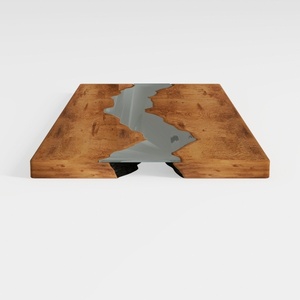
Minimalist Solid Wood Epoxy Resin Coffee Table 3D Model
Homestyler is your go-to online platform for transforming home design ideas into reality. With its user-friendly design tool, stunning 3D renderings, diverse design projects, and helpful DIY video tutorials, you can effortlessly create and visualize your ideal spaces. Start designing today!
Concevez maintenant gratuitement
































