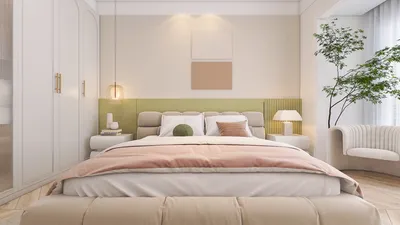


Once, I transformed a compact studio entirely in a bold charcoal, and the result felt like a stylish cave — until the sun went down, leading my client to describe it as a nocturnal bunker. This small misstep taught me that choosing a color is influenced by mood, light, and a touch of cunning; now, I always test paint swatches while visualizing the spaces before applying any paint. Small areas challenge you to be daring yet considerate, and in this article, I will reveal 5 modern interior paint colors that I frequently recommend to my clients, with the help of tools like Homestyler for visualizations.
1. Rich warm neutrals
My favorite base colors are warm greige or taupe — they convey a modern yet inviting feel and tend to conceal wear better than stark white. The great thing is their adaptability: furniture and textiles stand out without clashing. However, be cautious as some warm neutrals may appear outdated if they lean too brown, so it’s essential to test them in both morning and evening light. Pro tip: consider purchasing sample jars for key walls instead of large cans for the entire room to save money and avoid unnecessary redo work.
save pin
2. Elegant jewel tone accent walls
Introducing teal, deep emerald, or muted sapphire on a single wall instantly upgrades a living room or bedroom and imparts a sense of luxury without the need for pricey finishes. This approach is particularly smart for renters or short-term projects, as it’s reversible; just remember to keep the chair rails or trim lighter to prevent the color from making the space feel cramped.
save pin
3. Soft greens and natural blues
Greens that lean towards gray or blue invoke a connection to nature while maintaining a contemporary vibe — ideal for kitchens and bathrooms where calming energy is desired. I combine these colors with natural wood and matte metal accents; if you need trend insights, turning to AI-powered tools such as Homestyler can help you quickly find compatible palettes and simulate lighting. The key challenge is to ensure undertones match across different paint brands, so bring physical swatches when coordinating with cabinetry or tiles.
save pin
4. Layering off-whites and subtle greys
Applying various warm whites and soft greys throughout the same room (with trim a shade lighter and ceilings a tad warmer) produces a cohesive, airy modern aesthetic without feeling sterile. I advise clients that flat white ceilings can seem cold — opting for a slightly warm white introduces a welcoming softness. A practical tip: employing different sheens (like eggshell for walls and satin for trim) can help conceal imperfections and simplify cleaning.
save pin
5. Dual-tone schemes for functionality and flow
Painting lower walls or cabinets in a darker hue while keeping the upper walls lighter can anchor a space, making ceilings appear higher — this is particularly effective in small entryways and kitchens. I often suggest color breaks at chair-rail height or atop countertops to visually segment areas and enhance movement throughout a home; during this process, I also consider how to optimize kitchen workflows so the paint supports both function and aesthetics. Set aside a small budget for touch-up cans, as dual-tone schemes can highlight scuffs where people often touch.
These five strategies are my go-to starting points: experiment with swatches under different lighting, consider finishes and undertones, and always prioritize durability in high-traffic areas. Are you ready to choose a direction? Begin small, then build layers — that’s where modern character truly emerges.
save pin
FAQ
Q1: What are the most adaptable modern paint colors?
A1: Warm greige, soft greys, and muted green-blues are incredibly versatile as they strike a balance between warmth and neutrality. They work harmoniously with a variety of furniture styles and lighting scenarios.
Q2: How should I select paint for a small room?
A2: Test paint swatches at different times of the day, choose lighter shades for ceilings and upper walls, and think about incorporating a darker accent to create depth without making the area feel smaller.
Q3: Which finishes are preferable for modern interiors: matte or satin?
A3: Satin is ideal for kitchens and bathrooms due to its durability and easy maintenance, while matte (low-luster) works well in tranquil, modern bedrooms and living areas as it conceals wall imperfections.
Q4: How do undertones influence color choice?
A4: Undertones (warm versus cool) can alter how a color appears next to wood, metal, and fabrics; always compare swatches against your primary materials in natural light before finalizing your decision.
Q5: Is it possible to use bold colors in a rental property?
A5: Absolutely — you can opt for removable wallpaper, a single accent wall, or washable eggshell paints that can be easily refreshed when you move out.
Q6: How much paint should I set aside for touch-ups?
A6: Always keep at least a half-pint or quart of your chosen color for touch-ups, clearly labeled with the brand, color name, and batch number to ensure a close match during repairs.
Q7: Where can I find trustworthy color trend information?
A7: Reputable sources like the Pantone Color Institute offer annual trend guidance and research; check Pantone’s website at https://www.pantone.com/ for insightful information.
Q8: Are there eco-friendly paint choices that maintain a modern look?
A8: Yes — many low-VOC and zero-VOC paints now offer the same aesthetics and durability as traditional options while providing contemporary color palettes; refer to technical datasheets for information on coverage and washability to select the best products.
Discover the magic of home design with Homestyler! This user-friendly platform offers an intuitive online design tool, stunning 3D renderings, and a wealth of inspiring design projects. With helpful DIY video tutorials, transforming your space has never been easier or more enjoyable!
تصميم الآن مجانا
































