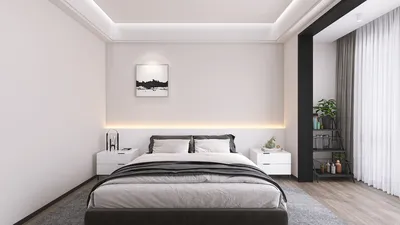


I vividly recall a client requesting their living room to have a vibe "moodier than a coffee shop at midnight"—I was tempted to paint the entire apartment black. However, this experience taught me how the selection of a single color can alter the perception of space and light, underscoring the importance of testing samples. For those passionate about visual storytelling like I am, these five modern house painting ideas will infuse personality into your rooms without excessive drama. Explore some photorealistic 3D renders I utilized to present concepts to anxious clients, incorporating tools like Homestyler for enhanced visualization.
1. Soft Monochrome Layers
I frequently opt for a single color and experiment with various tints and finishes across trims, doors, and walls—soft monochrome layers create a cohesive and serene atmosphere in smaller homes. This approach provides visual continuity and simplifies accessorizing; however, it can appear flat without varying textures, so I recommend incorporating tactile items like woven rugs or matte cabinetry for a cozy touch.
save pin
2. Warm-Neutral Backdrops with Cool Accents
Using warm neutrals on expansive surfaces in conjunction with cool accent pieces, such as teal cushions or slate tiles, cultivates a balanced, contemporary aesthetic. This method is budget-friendly and advantageous for resale, although careful accent placement is necessary to prevent cool tones from competing with the warm backdrop.
save pin
3. Strategic Accent Walls—But Make Them Functional
Accent walls can still be effective if they address a specific need: emphasizing a reading nook, concealing flaws, or anchoring an open-plan kitchen. I once applied a deep olive color behind open shelving to obscure pipes and brackets—creating significant depth with minimal paint. When designing spaces where layout is crucial, I advise aligning color selections with your room’s plan—especially for cabinetry or appliances—so that both the palette and layout feel harmonious; you might find kitchen layout inspiration that influenced my color choices.
save pin
4. High-Contrast Trim for a Modern Touch
Applying dark or contrasting colors to trims and doors is a contemporary technique that conveys a deliberate and architectural feel. This method is not only economical but also makes a dramatic impact, though precision is required—be prepared for extra time, or enlist a professional to achieve sharp lines. For testing the waters, create a mockup of a doorway and observe it for a week to gauge how light alters the contrast. I often combine this strategy with technology, utilizing smart design software like Homestyler to preview outcomes for clients before any paint is applied.
save pin
5. Painterly Finishes and Micro-Textures
Refined textures—such as limewash, suede finishes, or fine strié—infuse modern spaces with character without overwhelming them. These options can be slightly more expensive and necessitate skilled application, but they conceal everyday wear and create depth where custom millwork isn't feasible. I often implement these finishes in entryways or feature niches as a small indulgence that offers substantial visual returns.
save pin
FAQ
Q1: What are the best modern paint colors for small residences?
Opt for soft neutrals accompanied by one contrasting accent hue to delineate spaces. Lighter tints can open up areas, while a single bold color can serve to anchor a focal wall without diminishing the feeling of space.
Q2: How can I test paint before finalizing my choice?
Apply 24"x24" swatches on different walls and observe them during various times of the day. I like to leave samples up for a week to see how morning and evening lighting affects the tone.
Q3: Is it possible to use bold colors in a modern home without making it feel dated?
Yes—use vibrant colors sparingly as accents, integrate them with neutral surroundings, and select pigments that have modern undertones (cool or muted rather than flashy). Balance is essential.
Q4: Which finish is better for modern interiors: matte or eggshell?
Matte finishes effectively conceal imperfections and convey a contemporary vibe, while eggshell is more durable in high-traffic areas. I usually recommend matte for living spaces and eggshell for hallways and children’s rooms.
Q5: What is the ideal budget for a quality modern paint job?
Costs can vary based on finish and preparation: standard repainting is usually economical, but textured finishes or high-contrast trims can increase labor expenses. Always set aside 10–20% extra for patching, primer, and sample testing.
Q6: Do color trends influence resale value?
Neutral modern color schemes generally attract the widest appeal for resale; however, bold, trendy hues can be acceptable if they’re simple to repaint. Consider using trendy colors on removable decorations or accent regions.
Q7: How can I ensure color accuracy while selecting paints?
Request fan decks and full-size swatches, if available, as digital representations can distort colors. For exceptional guidance, Sherwin-Williams offers extensive color resources and technical details on their website (https://www.sherwin-williams.com).
Q8: Can paint enhance the atmosphere of my kitchen or bathroom?
Absolutely—moisture-resistant paints and lighter shades can create the illusion of larger and cleaner kitchens and bathrooms. Combine paint selections with appropriate ventilation and water-resistant finishes for durability.
save pin
Discover your home design potential with Homestyler! This user-friendly platform offers a powerful online design tool, stunning 3D renderings, and a wealth of inspiring design projects and DIY video tutorials. Bring your vision to life effortlessly and transform your space today!
Design Now for FREE
































