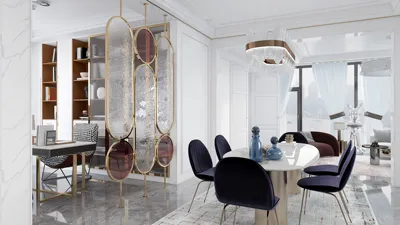


As we look towards the future, our homes are still struggling with rigid routines and space constraints. According to AIA surveys, since 2020, homeowners have been increasingly focusing on versatile, multipurpose spaces—a trend that is evolving from mere decoration to foundational structure. I see farmhouse floor plans as a framework for a lifestyle in the near future—transforming porches, hearths, mudrooms, and workspaces into a seamless, efficient interface. To facilitate this evolution, I keep a toolkit for spatial reasoning close at hand, as the path for enhancements has already been charted.
Porch Spine and Great Room Core
Design Rationale: A spacious front porch acts as a social buffer, while the interior features a great room that unifies dining, living, and kitchen areas—redefining hospitality for our hybrid work environment.
Flow: The movement transitions from the threshold → mudroom node → kitchen island hub → seating area → porch loop, managing guests, groceries, and morning routines efficiently, similar to a well-organized command queue.
Sightlines: The entryway frames the hearth, while the island directs views to the outside; diagonal perspectives combine family, warmth, and nature—prioritizing clarity without visual clutter.
Storage Solutions: Integrated pantry walls serve as resource caches, with drop zones and concealed bins designed to keep the space organized during peak usage times.
Furniture Arrangement: A 10 to 12-foot island, with 36-inch circulation paths and sectionals aligned to the sightline axis; these elements work together without conflict, optimizing space.
Conclusion: This core design will remain relevant as social gatherings fluctuate; the loop is a reliable structure that adapts to everyday unpredictability.
Save Pin
Mudroom Workshop and Back Kitchen Grid
Design Rationale: The essence of farmhouse design prioritizes the transition from dirty to clean; I enhance it by introducing a task corridor that efficiently manages gear, pets, and packages, operating like a background service.
Flow: The pathway flows from garage/side porch → mudroom bench → laundry area → back kitchen prep → main kitchen; this streamlined route maintains a tidy user interface.
Sightlines: Made opaque to hide the mess, yet clear towards the core; small clerestory windows invite light while maintaining visual order.
Storage: Tall lockers and ventilated cubbies provide extensive storage capabilities, complete with labeled sections for seasonal items for easy access.
Furniture Arrangement: Benches that are 24 inches deep, 18-inch shoe wells, and 30-inch folding counters; precise dimensions ensure the corridor remains functional even under duress.
Conclusion: After five years of handling various packages and items, this grid effectively prevents clutter buildup and makes maintenance a subtle, automatic task.
Save Pin
Primary Suite with Flexible Barn-Door Node
Design Rationale: The suite serves as a restorative core, complemented by an adjacent flex room (potentially a nursery, study, or recovery area) that can be transformed easily via sliders instead of permanent walls.
Flow: The sequence moves through the sleeping area → bathroom → wardrobe spine → flexible node; these intimate transitions help reduce disruptions during the night.
Sightlines: Low, serene views towards trees; mirrors reflect daylight while obscuring the sleeping area—layering user experience designed for restful cycles.
Storage: Twin wardrobes with shallow grids and linen towers positioned for quick access next to the wet area ensure hassle-free mornings.
Furniture Arrangement: Clearances of 30 to 36 inches around a queen or king bed, with 48 inches for the barn door sweep; the layout adheres to aging-in-place principles.
Conclusion: As life roles evolve—new child, remote work, healing—the node adapts without the need for major renovations; longevity is integrated into the design.
Save Pin
Final Thoughts
Far from nostalgia, modern farmhouse floor plans represent a contemporary interface that integrates community, work, and recovery into streamlined processes. Featuring porch spines, mudroom grids, and a versatile great room core, these homes function as resilient systems rather than chaotic assemblages. Search trends like "modern farmhouse layout with mudroom" and "open-concept farmhouse kitchen" consistently demonstrate that minor adjustments can transform routines entirely. In my view, the most intelligent farmhouses of the upcoming years will focus on intentional design rather than size—and my design approach is geared towards that vision, potentially incorporating tools like Homestyler for enhanced planning.
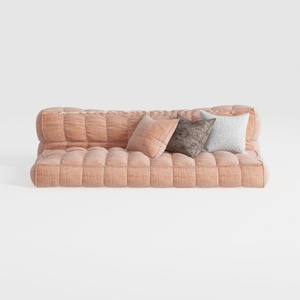

Minimalist Blush Fabric Tufted Contemporary Sofa 3D Model
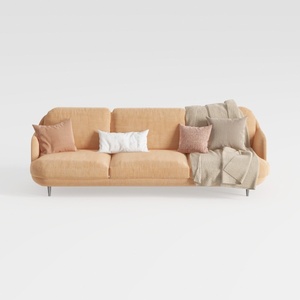
Modern Minimalist Peach Fabric Sofa with Throw Pillows and Blanket 3D Model

Minimalist Brown Velvet L Shaped Sectional Sofa 3D Model
Homestyler is your go-to online home design platform, offering an intuitive design tool that brings your vision to life. With stunning 3D renderings, a variety of design projects, and helpful video tutorials, you’ll find inspiration and ease in creating your dream space. Start designing today!
立即免费设计
































