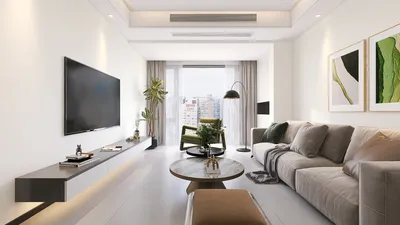


I once worked with a client who envisioned her bedroom as a blend of a ’90s farmhouse charm and the sophistication of a boutique hotel—an intriguing challenge! After a good laugh, I began to draft a solution, focusing on visualizing the layout first to test the scale before we decided on features like shiplap or a brass light fixture. Designing for smaller rooms ignites creativity as you quickly discover how to create coziness without causing clutter, all with the help of platforms like Homestyler to visualize layouts effectively.
1. Combine warm wood with elegant painted shiplap
I find that pairing warm shades of walnut or oak with soft white or light gray shiplap walls offers a fresh, modern take on country aesthetics. This combination invites warmth and adds texture, though it’s important to achieve a balance to ensure the warmth of the wood doesn’t overshadow the brightness of the walls. A great tip is to select one prominent wood tone and use it in subtle accents, like picture frames or bedside tables, for a cohesive look.
save pin
2. Layer textiles for an effortlessly curated vibe
Incorporating layered bedding, a chunky knit throw, and an eye-catching rug makes a bedroom feel well-curated rather than staged. I often include linen, cotton, and one textured fabric to add depth while avoiding an overload of colors. A budget-friendly approach is to invest in a standout quilt and rotate in less expensive throws as seasons change.
save pin
3. Incorporate rustic-modern lighting to unify styles
My go-to choices include industrial brass pendants or sleek matte black sconces styled above a vintage nightstand—where clean lines meet rustic materials. Updating lighting can make a sizeable impact without breaking the bank; however, be mindful of how cords are run and the height of ceilings, as a pendant hanging too low can feel clumsy. If you’re uncertain about the placement, using a quick layout mockup with tools like Homestyler can be invaluable in avoiding surprises during installation.
save pin
4. Utilize built-in storage that feels bespoke, not bulky
Built-ins are a brilliant solution for small country bedrooms: consider options like shallow window seats with storage or tailored wardrobes featuring beadboard doors. These constructions impart a handcrafted country essence while efficiently managing clutter, although custom solutions can elevate costs and lead times. For a pair of young clients, I ingeniously created drawers under their bed platform—a small investment leading to a significant daily benefit.
save pin
5. Infuse the outdoors with a tranquil color palette and greenery
Subdued shades of sage, warm cream, and gentle terracotta beautifully complement aged wood and woven baskets to form a contemporary country aesthetic. Real plants enhance this look, but opting for low-light-friendly varieties like snake plants or pothos makes more sense in many bedrooms. For tech-savvy clients, I’ve begun utilizing Homestyler's AI-driven layout features to quickly experiment with color and furniture placements, facilitating a more iterative decision-making process.
save pin
FAQ
Q1: What characterizes modern country bedroom decor?
Modern country style combines rustic materials like wood, metal, and woven fibers with sleek, contemporary lines and a restrained color palette. The outcome is a space that feels warm and lived-in yet uncluttered.
Q2: Which hues are best suited for this style?
Soft neutrals, such as warm whites, muted greens, and pale grays, are ideal; adding a bold accent color like navy or terracotta can create contrast. Low saturation is key to preserving that relaxing country aesthetic.
Q3: How can modern pieces be integrated without sacrificing country charm?
Select one or two modern furnishings—such as a streamlined dresser or geometric lamp—and anchor the room with rustic textiles and reclaimed wood. This contrast produces an intentional and curated appearance rather than a mismatched chaos.
Q4: What budget is reasonable for a refresh?
A simple refresh, involving paint, textiles, and lighting, can be managed for under $1,000; mid-range changes, which incorporate furniture and customized storage solutions, typically range from $2,000 to $7,000. Costs are influenced by material choices, customization, and geographic location.
Q5: Any advice for small bedrooms?
Focus on vertical storage solutions, choose a low-profile bed, and maintain a simple color scheme to visually enlarge the space. Mirrors and a consistent flooring design help create a seamless flow, making the room feel more expansive.
Q6: What is the ideal bedroom temperature and environment for sleep?
The National Sleep Foundation recommends a bedroom temperature between 60–67°F (15.6–19.4°C) to enhance sleep quality; good bedding and blackout options are also essential (source: https://www.sleepfoundation.org/bedroom-environment/optimal-bedroom-temperature).
Q7: How should I manage layering lighting?
Incorporate three layers of lighting: ambient (overhead), task (reading lights), and accent (small lamps or wallwash). Employing dimmers is an excellent enhancement to make transitions from day to night delightful.
Q8: Are reclaimed materials a sustainable choice?
Absolutely—using reclaimed wood and vintage items reduces embodied carbon while adding genuine character; however, ensure you check for finishes or treatments that may need remediation. Sourcing locally diminishes transport impact and can often reduce costs.
save pin
Homestyler is your go-to online home design platform, perfect for all skill levels. With its user-friendly design tool, stunning 3D renderings, diverse design projects, and helpful video tutorials, you can effortlessly create and visualize your dream home. Let your creativity flow!
Zaprojektuj teraz za darmo
































