

Direct Answer
The global banking sector is witnessing a significant shift in interior design, with an emphasis on digital-first environments, adaptable consultation areas, and eco-friendly materials that enhance both technology use and personal interactions. Contemporary bank branches have moved beyond mere transaction points to become immersive spaces combining financial services, advisory zones, and community hubs.
Worldwide, financial institutions are revamping interiors to mirror digital banking behaviors, foster customer confidence, and facilitate hybrid advisory setups.
Quick Takeaways
Introduction
Discussions about the future of banking often revolve around mobile apps and fintech innovations. Yet, from numerous projects on financial offices and advisory centers over the past ten years, I've observed an equally crucial trend: the rapid evolution of banks' physical spaces.
Design trends in bank interiors are redefining traditional branches. Instead of teller lines and queues, modern banks highlight comfortable consultation lounges, interactive digital kiosks, and collaborative open spaces. The overarching aim is to transform branches into welcoming venues where customers confidently engage in financial discussions.
A foundational step in many designs is reconsidering customer flow. Professionals now apply planning tools akin to those in residential design to chart circulation, service points, and advisory regions. Tools like Homestyler serve as excellent examples of interactive floor planning software that help visualize these spatial layouts, ensuring optimal customer journey experiences.
This article delves into the key changes shaping today's bank branch interiors—from prioritizing digital layouts to adopting sustainable resources—illustrating how industry leaders adapt their venues to future financial landscapes.
save pin
Evolution of Bank Branch Interior Design
Key Insight: The classic branch focused on transactions is swiftly being replaced by spaces dedicated to financial advisory.
For years, bank interiors were characterized by large transaction counters, security features, and waiting areas designed for operational control over comfort.
With a drop in face-to-face transactions, as noted by institutions like the Bank Administration Institute and McKinsey, simple banking operations have migrated to mobile platforms, pushing branches to prioritize advisory-focused services.
Typical updates in design involve:
A common overlooked error is preserving oversized teller counters that consume valuable floor area. From projects I reviewed, reducing these counters by 30–40% often makes way for two or three distinct advisory sections without branch expansion.
save pin
Shift Toward Digital First Banking Spaces
Key Insight: Contemporary banks align their interiors with digital self-service models, positioning staff mainly as advisors instead of transactional processors.
Mobile banking's surge has redefined customer needs. Branch visitors typically seek complex offerings such as mortgage consultations, investment advice, or business funding.
This trend gave rise to the concept of the "digital-first branch."
Common features of these designs include:
Interestingly, integrating digital tools often eases spatial congestion. By allocating routine tasks to kiosks, branches can minimize crowding around service counters.
Several banks are experimenting with layout prototypes through visualization platforms similar to those of Homestyler, enabling teams to simulate user interaction with technology pre-construction.
save pin
Sustainability in Financial Institution Interiors
Key Insight: Eco-conscious materials and energy-efficient illumination are fast becoming essential components in bank interior design.
Once a marketing add-on, sustainability is now firmly embedded in regulatory and operational frameworks in banking environments.
Top banks are remodeling interiors featuring:
In numerous European cases reviewed, maximizing natural light was pivotal. Consultation zones were shifted towards building perimeters, while support areas were centralized internally.
This design enhances client comfort and reduces energy use, advancing both aesthetics and efficiency.
Technology Integration in Branch Design
Key Insight: Technology now fundamentally influences bank architecture rather than serving as a supplementary element.
Modern branches incorporate technology extensively:
A growing trend is hybrid advisory environments where clients meet advisors in person, supplemented by remote experts via secure video calls. This setup minimizes the necessity for large onsite staff.
Consequently, designers equip multi-functional consultation rooms with screens, soundproofing, and customizable lighting.
save pin
Collaborative Spaces and Advisory Areas
Key Insight: Successful contemporary bank interiors share more characteristics with coworking lounges than with traditional financial institutions.
Private, comfortable spaces are vital for discussing mortgages or investments. Sterile, transactional settings can hinder such meaningful conversations.
Modern banking interiors often feature:
Design ideas borrowed from corporate workspaces—soft furnishings, acoustic treatments, and warm finishes—lower psychological barriers associated with banks.
Some branches even function as community knowledge centers, hosting educational events and startup advisory sessions.
Answer Box
Modern bank interior design embraces digital-first concepts, consultation-focused zones, and environmentally responsible materials. The most effective branches integrate technology, hospitality-style seating, and flexible advisory spaces to nurture relationship-centric financial services.
How Barclays Reflects Modern Banking Trends
Key Insight: Barclays branches increasingly embody worldwide trends by blending digital self-service technologies with inviting consultation zones.
In recent refurbishments across the UK and Europe, Barclays has adopted numerous progressive spatial strategies:
These choices mirror overarching industry movements towards advisory banking, shifting branches from transaction hubs to relationship-focused service centers.
For analysts exploring practical applications of workspace layout techniques in banking, this overview—including the use of platforms like Homestyler—illustrates how designers plan consultation areas, circulation routes, and service spaces within modern branches.
save pin
Final Summary
FAQ
What are the latest trends in bank interior design?
Current trends highlight digital self-service areas, advisory consultation spaces, use of sustainable materials, and adaptable layouts that support tailored financial services.
Why are bank branches undergoing redesigns?
With basic transactions moving online, branches focus now on advisory roles such as mortgages, investments, and commercial banking.
What defines a digital-first bank branch?
A digital-first branch prioritizes self-service kiosks and digital tools, while staff concentrate on advisory tasks instead of routine transactions.
How is technology incorporated into today's bank interiors?
Technology manifests through digital kiosks, video consultation rooms, interactive displays, and intelligent queue management systems.
Are conventional teller counters becoming obsolete?
Many banks reduce or eliminate large teller counters, replacing them with welcome desks and self-service options.
How does sustainability affect bank interior design?
Financial institutions increasingly employ low-emission materials, energy-saving lighting, and designs maximizing natural daylight to lessen environmental footprints.
Which materials are prevalent in modern bank branches?
Commonly used materials include wood finishes, glass dividers, acoustic panels, and warm lighting to foster inviting atmospheres.
What importance do consultation areas hold in banking spaces?
These spaces enable private discussions on complex financial topics, reinforcing relationship-driven banking methods.
References
McKinsey & Company – The Future of Bank Branches
Bank Administration Institute – Retail Banking Trends
World Green Building Council – Sustainable Building Practices
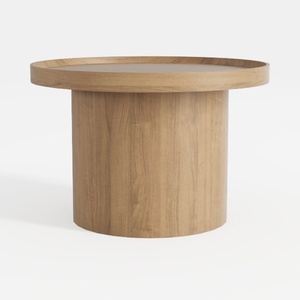
Minimalist Solid Oak Round Coffee Table 3D Model


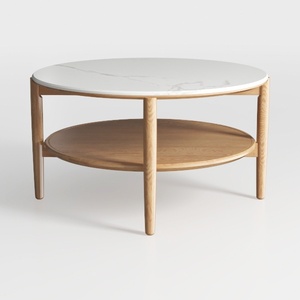
Minimalist Marble Top Solid Oak Round Two Tier Coffee Table 3D Model
Homestyler offers an easy-to-use online design tool with stunning 3D renderings, a vast collection of interior design projects, and helpful video tutorials. It’s perfect for anyone looking to create and visualize beautiful home designs effortlessly.
Zaprojektuj teraz za darmo
































