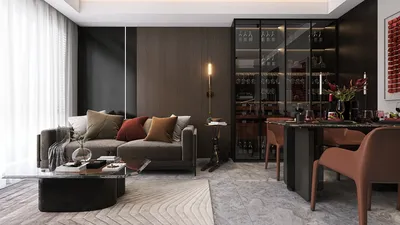


I once installed a mirror too close to a lamp, transforming my living room into a disco ball—while my client adored the sparkle, my feline companion did not. This minor oversight highlighted the importance of considering light, scale, and placement before making any permanent changes. For those navigating a small space and in need of design inspiration, simple solutions can yield significant visual improvements. Explore examples where mirrors effectively enhance the perception of space.
1. Sunburst Mirror — Glue, Sticks, Glow
Sunburst mirrors captivate with their dramatic flair while conserving floor space. Simply take a round mirror and adhere wooden skewers, chopsticks, or trimmed dowels around its perimeter; a spray paint finish in gold or matte black brings a high-end look at a budget-friendly price. This project is swift, showcasing a designer aesthetic from afar, and aligns perfectly with tools like Homestyler for planning.
Pros: significant impact at a low expense. Challenges: ensure the spokes are evenly distributed for balanced hanging; a bit of trial and error with varying lengths usually corrects that.
save pin
2. Gallery Mirror Wall — Cluster, Don’t Crowd
Create a striking focal point by grouping several small mirrors in assorted frames. I once experimented with various arrangements on the floor before permanently positioning them; this approach saved me from an excess of nail holes. This concept is particularly effective over narrow entryway consoles or behind a slim dining bench, making it a practical application for tools like Homestyler in layout planning.
Pros: adaptable configuration that conceals imperfections. Downsides: requires a cohesive element (such as color or frame style) to avoid a haphazard appearance.
save pin
3. Mirror with Hidden Shelf — Function Meets Reflection
In tight bathrooms or hallways, adding a slim floating shelf beneath a mirror provides extra space for keys or soap. This small adjustment boosts storage and keeps countertops unobstructed. When developing sightlines, I often refer to kitchen layout inspirations to ensure consistent visual flow, especially in open-plan areas adjacent to kitchens.
Pros: combines storage with style. Challenge: shelf depth should remain shallow (2–4 inches) to avoid overwhelming narrow spaces.
save pin
4. Oversized Leaning Mirror with Trim — Casual Grandeur
A tall leaning mirror dramatically extends vertical space in any room. Adding a simple wooden trim or painting the borders can replicate a framed effect without the need for custom fabrication. When leaning the mirror, you can skip perfect wall anchors, but be cautious with pets and children—it's wise to secure the top with an anti-tip bracket for safety.
Pros: straightforward installation with a striking presence. Cons: requires floor space and must be anchored carefully if you have playful pets around.
save pin
5. Mosaic Frame Mirror — Texture That Pops
Transform an ordinary frame by embellishing it with broken tiles, glass beads, or mirrored mosaics to introduce tactile interest. Years ago, I repurposed leftover tiles from a backsplash project, turning a thrift store mirror into a stunning statement piece; my clients were amazed at how a modest budget could create museum-worthy texture. For an organized approach to this type of project, consider leveraging Homestyler’s design tools.
Pros: highly customizable, forgiving with application errors. Downsides: grouting can be messy; work outdoors or on a drop cloth and apply a sealant to avoid stains.
save pin
FAQ
Q1: What mirror size is best for a small room?
Select the largest mirror that can fit your wall without overwhelming the space; even a medium-sized mirror positioned opposite a window can significantly enhance the perceived size of the room. Prioritize width over height where ceiling height is limited.
Q2: How do I hang heavy mirrors safely?
Utilize appropriate wall anchors for the type of wall and the weight of the mirror, or consider using French cleats for very heavy pieces. For plaster or drywall, using toggle bolts or studs is safer than basic screws.
Q3: Can mirrors be used in kitchens?
Absolutely—mirrors or reflective backsplashes can enhance sightlines in galley kitchens. However, be cautious to select materials that can withstand heat and moisture. For layout tips that blend functionality with reflection, review kitchen design inspirations for practical examples.
Q4: What materials are best for outdoor mirrors?
Opt for stainless-steel-backed or acrylic mirrors designed for outdoor use and ensure edges are sealed to prevent moisture damage. Typical glass mirrors can oxidize quickly when exposed to weather conditions.
Q5: How do I prevent a mirror from fogging in bathrooms?
Consider installing a heating pad behind the mirror or applying an anti-fog coating; effective ventilation (via an exhaust fan) is the most reliable long-term strategy for managing condensation. According to The Spruce, using heated pads and fans can dramatically decrease fogging issues, making the room more functional.
Q6: Any tips for creating a gallery mirror arrangement?
To visualize arrangements, lay frames on the floor and take pictures to compare spacing; maintain a consistent gap (around 2–3 inches) between pieces for a harmonious appearance. Utilize paper templates taped to the wall to test layouts before making any permanent changes.
Q7: Are mirrored tiles harder to maintain?
Mirrored tiles tend to show fingerprints and smudges more than their matte counterparts, but a microfiber cloth with glass cleaner will keep them shining. Sealing grout lines can minimize dirt buildup, making maintenance more manageable.
Q8: How can I visualize a big mirror in my room before buying?
Mark the desired outline of the mirror on the wall using painter's tape or hang a cutout from a bedsheet to represent its size; for a more realistic preview, I often use stunning 3D renderings to assess scale and light dynamics prior to ordering larger pieces. Tools like Homestyler can also aid in this visualization process.
save pin
Homestyler is your go-to online home design platform! With its user-friendly design tool, stunning 3D renderings, and a wealth of DIY video tutorials, you can effortlessly create beautiful spaces and explore endless design possibilities. Transform your home with ease and inspiration!
Design Now for FREE
































