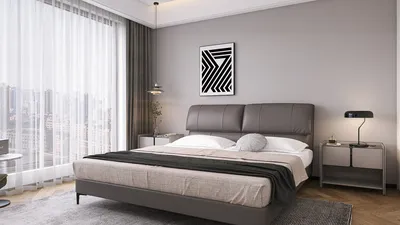


Several years back, I had a client who envisioned an office capable of serving as a yoga studio, library, and gaming area. Initially, I thought such a request was unfeasible—until I realized how compact spaces challenge us to think ingeniously. True minimalism transcends mere decluttering; it's about fostering an ambiance of clarity, light, and spaciousness. Today, I’m excited to share ten minimalist office concepts I’ve implemented in various projects, allowing you to design a workspace that’s as efficient as your efforts.
A valuable lesson I gleaned during that project was the importance of adaptable layouts. I utilized a room planner, like Homestyler, to explore multiple uses for the same space before investing in any furniture.
1. Neutral Color Scheme
I firmly advocate for soft whites, light greys, and warm beiges—hues that instill a sense of uncluttered mental space. The challenge lies in avoiding a frigid atmosphere, which I remedy by incorporating organic textures, such as wood or linen.
2. Sleek Furniture Designs
Consider furniture with simple lines and no intricate embellishments. In one project, we replaced cumbersome storage with slender, wall-mounted shelving, instantly enhancing the sensation of openness in the office.
3. Concealed Storage Solutions
Embracing minimalism doesn’t equate to reducing possessions—it’s about diminishing visible clutter. Features like built-in cabinets or desks with hidden compartments are invaluable for keeping documents out of sight.
4. Wall-Mounted Desk Arrangement
Opting for a wall-mounted desk liberates floor space, allowing even the smallest office to feel airy. Just be cautious, as strong wall anchors are crucial, especially if the desk supports a monitor.
5. Striking Lighting Elements
Rather than cluttering a room with numerous light sources, a single, bold pendant or a sleek desk lamp can give the room character. I incorporated a mid-century brass lamp in a home office, and it quickly became the client's standout feature.
When coordinating lighting with the layout, I often switch to an office layout planner like Homestyler to experiment with different desk placements without physically rearranging heavy furniture.
6. Vertical Storage Options
Focus on vertical space—install shelves that extend toward the ceiling. This approach opens up floor areas and promotes a visually soothing environment.
7. Multi-Purpose Furniture
A desk equipped with side shelves or an ottoman that conceals files can minimize the need for additional furniture. However, be mindful—as having too many multifunctional pieces can make a room feel constricted.
8. Cable Management Solutions
Chaotic cables can undermine a minimalist aesthetic. Implement cable trays beneath the desk or clip systems on the wall to maintain a clean look.
For a particularly challenging small-office project, I used a 3D floor planner, like Homestyler, to visualize cable configurations before making any cuts into the walls.
9. Touches of Greenery
Integrating a single potted plant or a small bunch of greenery can enliven simplistic spaces. Just ensure minimalism thrives on balance—avoid overcrowding with too many plants.
10. Curated Personal Decor
Your workspace should express your personality, but choose only a handful of meaningful items. In my office, I display a framed sketch and one travel keepsake; any more can lead to distraction.
FAQ
1. What are the hallmarks of a minimalist office? A minimalist workspace emphasizes functionality, clean lines, neutral tones, and minimal visual clutter, enhancing overall focus.
2. Must I purge everything? Not at all—minimalism is about thoughtfully deciding which items remain visible and which are tucked away.
3. How can I enhance the perception of space in a small office? Lighter colors, mirrored finishes, and vertical storage methods can visually expand the area.
4. Is adopting minimalist design cost-prohibitive? Not necessarily—it's chiefly about strategic editing rather than purchasing new items. Sometimes, decluttering can be cost-free while increasing value.
5. Can color be included in a minimalist office? Absolutely, but it should be limited to accent items or artwork. The foundational palette should remain understated.
6. What is the most effective lighting for concentration? Natural light is preferable, supplemented by warm LED task illuminance for evening hours. The American Society of Interior Designers notes that lighting directly influences productivity.
7. How can I efficiently conceal cables? Use under-desk trays, wall clips, or desk grommets for a tidy visual appearance.
8. Is minimalist design suitable for shared workspaces? Definitely—shared environments gain from clear organization, communal storage, and minimized distractions, thereby improving collaboration and functionality.
Homestyler is the ultimate online home design platform for anyone looking to create stunning spaces. With its user-friendly design tool, impressive 3D renderings, a wealth of design projects, and helpful DIY video tutorials, transforming your home into a dream space has never been easier!
تصميم الآن مجانا
































