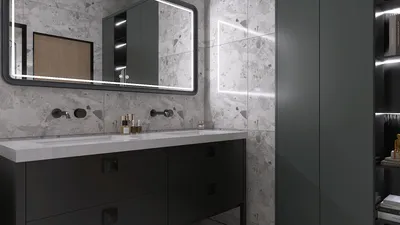


Incorporating influences from Amanda Seyfried’s elegant and timeless fashion style can inspire your living space to feel both sophisticated and inviting. Just as her wardrobe balances classic charm with modern trends, your home can blend traditional furniture pieces with contemporary accents. Thoughtful space planning allows for a flow that mirrors her effortless grace, creating a lifestyle environment where comfort meets understated luxury. Using Homestyler, you can effortlessly bring this vision to life by visualizing how each design element harmonizes within your space, ensuring every detail reflects both refinement and warmth.
Executive Summary
A minimalist home office eliminates unnecessary distractions, allowing you to concentrate fully on your work. Achieving a space that is both tidy and functional, however, requires careful consideration of desk positioning, lighting, cable management, and storage solutions. Any misstep can transform your calm environment into a source of daily irritation. With the help of AI design tools like Homestyler, you can preview various layouts, experiment with furniture placements, and assess lighting configurations before moving anything. This article provides room-specific layout suggestions, ergonomic checklists, and actionable AI-driven workflows for crafting a cleaner, more efficient workspace.
Why Minimalist Home Office Design Demands AI Visualization
Minimalist aesthetics may seem straightforward, but that simplicity is deceptive. Every visible element carries importance; a misplaced cable, a slightly oversized desk, or a poorly positioned monitor reflecting window glare can detract from the intended serenity.
Tools like Homestyler address these challenges by enabling rapid iteration beyond traditional mood boards or sketches. With these, you can:
The payoff is a fully realized workspace design before any furniture arrives at your door.
Desk Placement: The Foundation of Every Layout
Where you situate your desk influences traffic flow, natural lighting, and how you present yourself on video calls. In minimalist designs, the desk also serves as the visual anchor, setting the tone for the entire room.
Lighting: Layers That Prevent Eye Strain
Relying on a single overhead light fixture is a common mistake in minimalist offices. Proper lighting requires multiple layers, and AI tools like Homestyler enable you to model ambient, task, and accent lighting holistically.
Storage: Conceal, Don't Accumulate
Minimalism falters when storage is insufficient. Without enough enclosed storage, clutter from papers, devices, and chargers quickly overtakes surfaces. Homestyler allows you to experiment with storage arrangements that keep belongings out of sight while maintaining an open, spacious feel.
Cable Management: The Invisible Backbone
Visible cables contradict the minimalist ethos. The golden rule: if a wire is visible, the design isn’t complete. AI renderings assist in planning cable routes before any drilling is done, ensuring a seamless look.
Video-Call Backgrounds: Design for the Camera, Not Just the Eye
Your backdrop during video calls conveys professionalism and attention to detail. A minimalist background excels on camera because it avoids competing for visual focus, enhancing your presence.
Compact Offices: Full Functionality in Small Footprints
Many don’t have a dedicated office room. Compact workspaces—like converted closets, hallway niches, or areas beneath staircases—require precise layout testing with tools such as Homestyler since every inch matters.
Shared Rooms: Defining Boundaries Without Walls
When your office shares space with living, dining, or sleeping areas, psychologically transitioning into work mode becomes challenging. AI-assisted design can help establish functional zones that support focus without physical barriers.
Ergonomic Considerations for the Minimalist Setup
A pristine desk is useless if it compromises your health. AI-powered visualization platforms let you validate ergonomic principles such as posture, clearance, and screen height before finalizing your setup.
Prompt Examples by Room Size and Working Style
AI Home Office Design Workflow: From Empty Room to Finished Layout
Follow a systematic process using AI platforms like Homestyler to transform an empty room into a fully optimized layout:
For thorough design exploration, these AI tools apply iterative refinement techniques across all home spaces—from bedrooms to living areas and more.
Common Mistakes to Avoid
FAQ
Q: Can AI genuinely create a functional minimalist home office beyond aesthetics? A: Yes. Modern design AI verifies measurements, optimizes video call sightlines, analyzes window glare, and confirms ergonomic spacing—long before any purchases. Visual appeal is just the surface.
Q: What’s the ideal desk orientation when there’s only one window? A: Position the desk perpendicular to the window to ensure natural side lighting without screen glare or silhouetting on camera. Use sheer curtains to diffuse bright sunlight.
Q: How to maintain a minimalist office’s organization over time? A: Systematic storage matters more than looks. Dedicate closed storage for frequently used items, enforce a clear-desk policy daily, and keep cables managed. AI renders from Homestyler aid in designing the system, but habits sustain it.
Q: Which wall colors are best for video calls in a minimalist home office? A: Warm greys, muted sage, or soft greige photograph well and don’t overpower your face. Avoid pure white (causes overexposure) and dark charcoal (absorbs light, making the room gloomy).
Q: How to design a minimalist office shared with another person? A: Use AI to create zoned layouts—back-to-back desks or open shelving dividers establish distinct work areas. Separate lighting and rugs further delineate personal spaces.
Q: Are standing desks compatible with minimalist design? A: Absolutely. Many modern standing desks feature integrated cable trays, clean lines, and slim profiles. Select matte white or black frames with wood-look tops. Concealed cables keep mechanisms discreet.
Q: How does AI support cable management planning? A: AI-generated renders map cable paths from monitor arms through desk grommets to under-desk trays, letting you refine until wires disappear visually. This precision is unreachable with simple sketches.
Plan Your Layout Before You Buy
A minimalist home office thrives on deliberate planning and rejects impulse purchases. Every chosen item either enhances focus or detracts from it. Using AI platforms like Homestyler, you gain the unique ability to preview layouts under varied lighting, camera angles, and seating heights before investing.
Begin with the prompts and checklists in this guide, produce multiple layout options, and keep refining until your workspace achieves both calmness and functionality. These iterative AI techniques also work well for other home areas. If you’re interested in translating minimalism beyond the office, exploring AI living room design demonstrates clean, purposeful spaces throughout your home.
The goal extends beyond having a tidy desk: it’s about crafting an environment where focused work unfolds naturally and effortlessly.


Minimalist Solid Wood Kids Play Table with Storage 3D Model
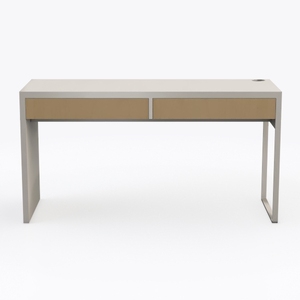
Minimalist Two Tone Solid Wood Office Desk With Drawers 3D Model

Homestyler is an easy-to-use online platform that lets you design your home with stunning 3D renderings. Explore a variety of interior projects and learn through helpful DIY video tutorials—perfect for turning your design ideas into reality effortlessly.
立即免费设计
































