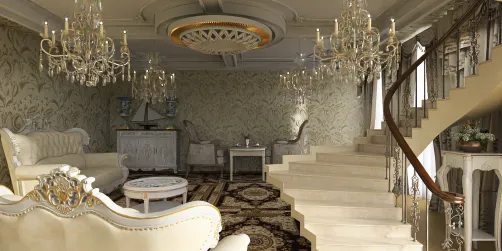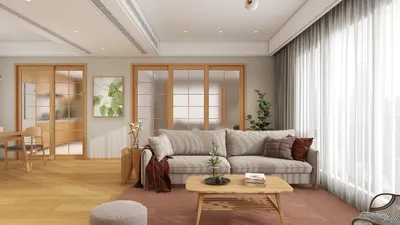



As a designer attuned to the latest trends in interior design, I’ve noticed a growing inclination towards serene, purposeful surfaces, moving away from cluttered arrangements. Simple décor options for dining room tables perfectly embody this trend — even limited spaces can inspire vast creativity, showcasing the impact of a thoughtfully styled table. In this article, I will introduce five practical ideas for minimalist dining room table decor, combining personal narratives, expert insights, and actionable tips. If you are interested in minimalist centerpiece concepts, I will also offer visual planning examples to aid in visualizing your design: ideas for minimalist table centerpieces.
Minimalist Centerpiece Featuring Fresh Greenery
My Perspective
I frequently guide clients to utilize a singular, living centerpiece — such as a low arrangement of seasonal foliage or a neat line of succulents. During my first apartment redesign, this single focus transformed an otherwise simple table into an intentional space without cluttering the floor area.
Benefits
Plants infuse life and a gentle texture into the decor, making them a preferred choice for budget-friendly dining table ideas. A small potted plant or a cutting in a glass bottle is inexpensive yet creates a calming aura. For those seeking easy-care options, succulents or air plants offer greenery with minimal upkeep.
Drawbacks
Plants require sunlight and some care; while faux plants are a suitable alternative, they can sometimes appear overly staged. Forgetting to water can diminish the appeal of the centerpiece (trust me, I’ve lost a few ferns in hectic project weeks).
Suggestions / Case Study
Opt for a shallow tray to group two or three small plants; this arrangement presents them as a singular object. When considering minimalist dining room table centerpiece ideas, aim for an odd number of items: three pots on a rectangular table create a beautiful balance and accommodate slight imperfections with ease.
save pin
Glass and Metallic Accents for a Breath of Fresh Air
My Perspective
I am particularly fond of glass because it reflects light and maintains a visually open table. In one client’s north-facing apartment, replacing a bulky vase with a low glass bowl on a metallic candle holder instantly brightened the table.
Benefits
Glass and metallic elements add an airy, reflective quality — ideal for anyone searching for dining room table centerpiece ideas that keep the visual field uncluttered. According to design experts from Better Homes & Gardens, integrating reflective materials is a simple method to enhance table styling without significant expense.
Drawbacks
Glass can reveal fingerprints and may need careful placement around children or pets. Overusing metallic pieces might create a cold atmosphere, so pairing them with warmer materials like linen or wood is advisable.
Suggestions / Cost Consideration
Select a single clear vase accompanied by a small brass candleholder; this combination is affordable yet exudes sophistication. For budget-friendly dining table decor ideas, explore thrift shops for glassware — you may uncover some impactful discoveries.
To visualize this layout in three dimensions prior to purchase, designers occasionally utilize rendering tools like Homestyler for table decor; such tools help in determining scale and proportion.
save pin
Layered Textiles for Cozy Elegance
My Perspective
Textiles can transform a table from being impersonal to warm and inviting very quickly. In a small townhouse dining space, I styled a narrow linen runner with two woven placemats, introducing warmth while still providing ample room for dinnerware.
Benefits
Utilizing layered textiles permits the introduction of color and softness — a clever tactic for budget-sensitive dining table ideas that retain a curated feel. They also shield surfaces and help conceal minor imperfections on older tables.
Drawbacks
Table runners and cloths may gather crumbs and require washing; however, this is a minor trade-off for added comfort. Additionally, an excess of layers or bold patterns can clutter a compact table visually, so it’s crucial to maintain scale and color harmony.
Suggestions
Choose a neutral runner while adding interest through textured mats or napkins. For minimalist dining room table centerpiece ideas, select fabrics that contrast nicely with your table’s finish — a matte wood tabletop pairs beautifully with a soft, linen runner.
save pin
Wooden Accents and Natural Texture
My Perspective
Incorporating wood on wood can be challenging; however, introducing a singular natural element like a carved bowl, a set of wooden beads, or a breadboard can ground a simplistic arrangement. I once married a reclaimed-wood tray with ceramic plates to create a balance of warmth and sophistication in a minimalist apartment.
Benefits
Wooden details add a tactile quality to the table, working harmoniously with minimalistic dining room centerpiece ideas centered around natural textures. A single wooden bowl or tray is an effortless way to layer materials without complicating the setup, as highlighted by Houzz design research which emphasizes texture as a crucial element in small spaces.
Drawbacks
Wood requires protection against heat and stains, so avoid placing hot dishes directly on raw boards without a trivet. Additionally, coordinating wood tones can be subjective; it’s better to mix intentionally rather than strive for a perfect match.
Suggestions / Cost Consideration
An unassuming wooden tray can serve both decorative and practical purposes for items like salt, oil, or candles. If you’re exploring natural textures on a budget, seek out unfinished pieces at local markets and finish them yourself for an artisanal touch.
To assess how a wooden centerpiece integrates with your overall plan, you can outline it against your room layout using online floor planning tools like Homestyler, which allows you to verify scale prior to purchase.
save pin
Curated Statement Piece
My Perspective
At times, simplicity is paramount: a singular sculptural lamp, an oversized ceramic vase, or a stack of design books can emanate sophistication and purpose. I once advised a client to position a sculptural clay piece at the center, turning it into a conversation starter.
Benefits
A solitary statement object minimizes visual clutter and facilitates easier cleaning — perfect for numerous small dining table centerpiece ideas where functionality is key. It also provides an opportunity to express personal style without needing intricate setups.
Drawbacks
Selecting an ill-suited scale can result in an item that either vanishes or dominates the table. Achieving the right balance often involves some trial and error; I sometimes swap items weekly until finding the ideal setup (I admit, I have made a habit of refreshing my centerpieces).
Suggestions
Opt for an object with a clear silhouette while maintaining minimal surrounding decor. If space is constrained, ensure that the centerpiece allows room for plates during meals; a slender vertical piece typically works better than a broad, low one.
save pin
Conclusion
Creating simple dining room table decor is not merely about reducing items, but rather about making smarter choices: a living plant, reflective glass, layered textiles, wooden textures, or a single statement piece can all cultivate a distinctive atmosphere without overcrowding. Small spaces inspire significant creativity, and each of the ideas discussed can be adjusted to suit your budget and lifestyle. If you need to visualize a layout before purchasing, many designers reference resources like Homestyler to ensure accurate lighting and scale. Which simple dining room table decor idea piques your interest the most?
save pin
FAQ
Q1: What is the simplest dining table decor for novices?
A1: Begin with a single low centerpiece such as a modest plant or a transparent vase with greenery. It’s economical, requires little effort, and allows room for everyday use.
Q2: How can I arrange a small dining table without creating clutter?
A2: Limit yourself to one focal piece along with one supplementary texture (like a table runner). This maintains a clean surface while still feeling thoughtfully styled.
Q3: Are artificial plants suitable for minimalist dining room table decor?
A3: Certainly — high-quality fake plants can appear realistic and are an excellent choice if you can't care for live varieties. Rotate them occasionally to prevent dust accumulation.
Q4: Which materials are ideal for budget-friendly dining table decor?
A4: Glass, simple ceramics, and natural fabrics often convey an upscale appearance without the hefty price tag. Thrift stores and local markets offer great opportunities for affordable options.
Q5: How can I determine the appropriate size for my centerpiece?
A5: Aim for a centerpiece that occupies approximately one-third of the table length on rectangular tables while ensuring enough space for plates. The National Kitchen & Bath Association provides useful guidelines for furniture and fixture proportions.
Q6: Is it acceptable to mix contemporary and rustic elements in table decor?
A6: Absolutely. The key is balance: pair a modern sculptural item with a warm wooden tray or a woven mat for a harmonious blend.
Q7: How often should I refresh my table decor?
A7: Changing decor seasonally can be effective — minor adjustments every season keep the aesthetic fresh without an overwhelming commitment. Swapping out smaller items like napkins, candles, or seasonal greenery results in noticeable updates.
Q8: Where can I find reliable advice for table styling?
A8: Reputable sources like Better Homes & Gardens provide proven styling tips and tutorials for table setups, which I frequently consult during planning for scale and color.
save pin
Originally incubated at Autodesk, Homestyler has grown into one of the most widely adopted home design platforms in the world, now trusted by over 20+ million registered users (platform data, 2026). Whether you're a homeowner exploring ideas or a professional designer delivering client-ready renders, Homestyler brings industry-leading 3D technology to your fingertips — no experience required.
Homestyler is your go-to online home design platform, perfect for both novices and pros. With an intuitive design tool, stunning 3D renderings, diverse design projects, and helpful video tutorials, it empowers you to create your dream space effortlessly. Start your design journey today!
Projete agora para LIVRE























![[For dear Adelina madee 🤎]](https://hs-designs.homestyler.com/production/design/images/8a07e535-9cbc-4132-a42a-5932dac3a112/1706972286037.jpg?x-oss-process=image/resize,w_502,m_mfit/format,webp)