


The future of living is characterized by the compression of space into efficient designs, while today’s urban renters navigate the challenges of noise, clutter, and increasing living expenses. Surveys conducted by the AIA consistently indicate a growing preference for adaptable, multifunctional areas, which aligns with the increasing trend of micro-living. In exploring this dynamic, I develop layouts for spaces as small as 270 square feet—sleek yet impactful, reminiscent of original coding for urban sustainability. The future is drawing near, and its outlines are becoming clearer. This calls for an effective spatial reasoning toolkit, potentially facilitated by tools like Homestyler.
Linear Rail Studio
Design Concept: This design employs a linear arrangement that consolidates functions along a single plane, making it adaptable for modular changes and seasonal adjustments.
Flow: The layout sequence progresses from the entryway to the kitchen wall, sliding workstation, to a sofa/bed, and concludes at a compact wet room, echoing a streamlined interface.
Sightlines: A direct line of sight is maintained from the entrance to the window; strategically placed vertical storage enhances this perspective, reducing cognitive strain much like a user interface header.
Storage: Features such as a full-height pantry, toe-kick drawers, and overhead track shelves are designed for quick access, organizing supplies effectively within the active workspace.
Furniture Layout: With kitchen counters ranging from 24 to 30 inches, a 60-inch sofa that convertible to a 75-inch bed, and a wall desk just 20 inches deep, this design meets user requirements promptly, aligning with established human interaction models.
Verdict: For individuals, this design transforms limited space into fluid living; within the next five years, modular elements are expected to interchange seamlessly without disrupting overall functionality.
save pin
Node-and-Niche Loop
Design Concept: This layout consists of four functional nodes—cooking, working, lounging, and sleeping—interconnected by a loop corridor, where each niche serves as a clearly defined workspace.
Flow: The entrance leads into the loop; a clockwise arrangement of activities minimizes overlap, similar to a well-organized scheduling system.
Sightlines: Low partitions provide diagonal views; glass-fronted niches allow for layered information, ensuring clarity of the environment from a central standpoint.
Storage: Features such as corner shelves, benches, and overhead racks are strategically placed by usage frequency—daily essentials are easily accessible while seasonal items are stored higher up.
Furniture Layout: Incorporating a 36-inch round table, an 18-inch deep wall bench, and a Murphy bed that drops from a 60-inch height ensures smooth transitions with minimal delay.
Verdict: For couples, the design stabilizes daily routines; future enhancements, such as air quality monitors and adjustable lighting, can be included at various nodes without overwhelming the aesthetic.
save pin
Split Horizon Micro-Duplex
Design Concept: A thoughtful mezzanine design divides the 270 square feet into distinct day and night zones, promoting a balanced daily rhythm within a compact area.
Flow: The ground floor offers a sequence from entry to galley and lounge, while the upper level houses sleeping and closet spaces, functioning like a dual-tiered system.
Sightlines: A double-height view from the entrance to the clerestory marks the space; railings keep peripheral details visible and secure.
Storage: Innovative features like drawer steps, closet space within the mezzanine's knee-walls, and soft bins in otherwise unused areas maximize storage efficiency.
Furniture Layout: A galley kitchen measuring 24 inches deep, a ladder with 28-inch treads, and a mattress length of 72 inches represent a thoughtful balance of space constraints and livability.
Verdict: For those spending extended hours at home, this design protects cognitive bandwidth; in the next five years, smart lighting will synchronize with the living space like a well-written program.
save pin
Final Insights
The floor plans designed for a 270 square foot area must operate like agile interfaces, where every inch serves a purpose, and movement flows smoothly. The convergence of micro-living, small studio layouts, and modular zoning transforms limitations into opportunities for clarity. The best designs are not necessarily larger; rather, they prioritize intention, clarity, and adaptability. In my experience, spatially efficient designs that honor human interaction principles can become remarkably accommodating over time, especially with tools like Homestyler that facilitate these adjustments.
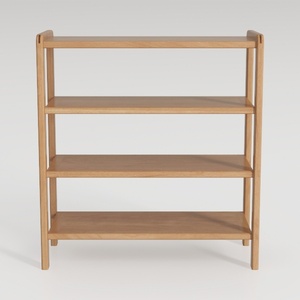
Minimalist Solid Oak Open Bookshelf 4 Tier Storage 3D Model

Minimalist Solid Oak Wall Mounted Floating Shelf 3D Model

Safavieh Home Office Noely Modern Coastal Brown 1-
Discover the ease of home design with Homestyler! This online platform offers a powerful design tool, stunning 3D renderings, and a wealth of DIY tutorials to guide you through every step. Perfect for both novices and seasoned designers looking to bring their creative visions to life!
立即免费设计
































