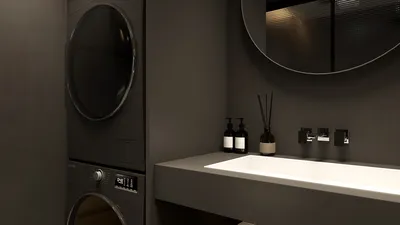


Designing fitness corners in studio apartments and micro-condos has been a passion of mine, and one key principle stands out: prioritize multi-functional equipment with a small footprint while ensuring smooth circulation to avoid any trip hazards. With careful planning, space can become an advantage, particularly when using tools like Homestyler to visualize the layout effectively.
Evidence That Small Spaces Can Train Big
Well-organized home spaces allow for effective movement, and research from Steelcase shows that taking short physical breaks can greatly enhance focus and cognitive performance during long hours at a desk. This translates into improved productivity at home. The WELL v2 guidelines support the idea of having accessible areas for activity, reinforcing that routine short workouts can lead to measurable benefits for well-being.
Proper lighting is crucial as well. According to IES recommended practices, task activities thrive under approximately 300–500 lux of light, which helps prevent eye strain while ensuring clear depth perception during dynamic movements. Maintaining this light intensity with glare control enhances the comfort and safety of workouts in small spaces.
The connection between color and motivation should not be overlooked. Verywell Mind points out that warmer colors like red and orange can enhance perceived energy levels, while cooler blues promote calmness. In compact spaces, balancing energizing colors with a neutral background helps avoid visual clutter, thereby supporting effective training habits.
Core Criteria for Small-Space Fitness Gear
With limited floor space, I evaluate fitness equipment based on five criteria: space requirement, versatility, storage options, sound impact, and ease of setup. Equipment that hinders quick deployment or creates excessive noise isn't suitable for apartments. Ideally, aim for under 6–8 square feet per station; utilizing wall-mounted or under-bed storage can efficiently transition gear back into free space after each workout. Tools like Homestyler can help visualize these setups effectively.
Top Compact Equipment Picks
Dumbbell sets ranging from 5 to 50 pounds effectively cover basic strength training needs. A compact pair can replace an entire rack, taking up only the space of a shoebox, yet sufficient for various push, pull, and hinge exercise patterns. Focus on comfort knurling, the ability to make incremental weight adjustments, and a stable base to safeguard your flooring.
Kettlebells are exceptional for time-efficient training, suitable for swings, cleans, presses, and carries. An adjustable design keeps the footprint minimal and eases progression. Using a rubber mat or low-pile rug can help dampen noise and protect the flooring during use.
Resistance bands are compact and can fit in a drawer while providing full-body workouts: rows with a door anchor, presses, hip exercises, and mobility drills. Opt for a color-coded set to standardize resistance levels, keeping them out of direct sun to ensure longevity.
Door-mounted training systems effectively transform any doorway into a vertical gym, allowing for rows, chest presses, one-legged squats, and core exercises. Make sure to check the hinge strength and door swing direction, and consider adding protective strips to avoid damage to the door frame. This option is particularly beneficial for renters due to its removable nature and minimal footprint.
A foldable bench offers versatility for presses, step-ups, hip thrusts, and assisted rows before easily sliding under furniture. Look for a reliable locking mechanism that doesn’t wobble and a cleanable vinyl surface to maintain hygiene after workouts.
Mobility tools can help prevent injuries. A mat with a thickness of 4–6 mm strikes an ideal balance between comfort and stability. Lightweight recovery tools such as a travel roller or peanut ball can easily be stored vertically in a closet corner, improving recovery without taking up much space.
Compact walking pads and foldable rowing machines can fit surprisingly well in smaller living spaces. A walking pad can slide under a couch, and a slim-profile rowing machine can stand upright when stored. When choosing these options, pay attention to noise levels and anti-vibration features if you share walls with neighbors.
For high-intensity cardio with minimal storage requirements, use a mat that reduces noise and protects your ankles. Additionally, ensure there's enough ceiling height before making purchases.
Light, Acoustics, and Ergonomics in Micro Gyms
Proper lighting minimizes missteps and aids in maintaining good form during workouts. Aim for illumination around 300–500 lux above your training zone, with a correlated color temperature of 3500–4000K for a pleasant warmth and clarity. If glare from sunlight is an issue, consider adding sheer roller shades to diffuse intense light.
In an apartment, managing acoustics is essential to avoid disturbing neighbors. Placing a rubber mat with 6–10 mm thickness over felt underlayment can help in reducing sound transmission, maintaining peace for everyone in the building. Choosing bodyweight exercises or resistance bands over high-impact workouts in the evening can further minimize noise.
Ergonomics should always be considered. The height and reach of workout stations are crucial; for instance, suspension straps should be anchored at a height that allows for easy use without awkward bending.
Layout Strategies for Small Spaces
I recommend mapping out three distinct micro-zones for training: strength, cardio, and mobility. The strength zone should be close to storage for easy access; cardio should allow clear movement pathways, while mobility training can benefit from natural light for improved mood and focus. In compact living rooms, positioning a foldable bench parallel to the longest wall optimizes space. If you frequently adjust your routine, using a layout tool like Homestyler can help you visualize equipment placement and movement flow before making any changes.
Programming That Respects Square Footage
Circuit training is perfect for small spaces. Combine push and pull movements with lower body exercises and core drills. For example, you could pair a dumbbell floor press with banded rows, kettlebell deadlifts, and suspension fallouts. Keep your transition times short—within 15 seconds—to ensure that equipment stays organized and doesn’t clutter the area.
Storage Solutions That Keep You Consistent
Staying consistent is easier when your gear is stored neatly. Tall, narrow shelving can take advantage of vertical space, and roll-out bins under a sofa can cleverly hide bands and mats. Wall hooks can keep suspension trainers and jump ropes organized. If you have children or pets, consider adding magnetic locks or soft-close doors to avoid any accidents.
Safety and Flooring
Before attempting heavy lifts, always check door anchors, strap stitching, and locking pins for safety. Protect floors in high-impact areas with rubber tiles, and avoid using dense foam that compresses unevenly. Ensure there are no toe catches by maintaining clear boundaries around your mat.
Linking Research to Practice
A healthy movement culture is supported by thoughtful design. The WELL v2 features advocate for incorporating physical activity into everyday living environments, and Steelcase's findings emphasize the performance benefits associated with regular movement breaks. Together, these insights back the practical truth: accessible and comfortable equipment can lead to significant outcomes, even in the smallest of spaces.
FAQ
With thoughtful zoning, 20-30 square feet can accommodate strength, mobility, and light cardio exercises. Create a dedicated mat zone of 6' x 5', utilize vertical storage solutions, and incorporate foldable equipment to optimize space.
Aim for approximately 300–500 lux of diffuse, low-glare lighting. This level supports safe movement and provides comfortable visibility during workouts.
Yes, provided that the door is solid-core, swings closed towards you during use, and has sturdy hinges. Adding a protective strip and testing it gradually with lighter loads is advisable.
An adjustable dumbbell set, a long loop resistance band, and a foldable bench can effectively facilitate push, pull, squat, hinge, and core exercises, all while requiring minimal storage space.
Utilize rubber mats placed over felt underlayment, opt for tempo exercises instead of jumps, and favor resistance bands or controlled kettlebell drills during quiet hours in your apartment.
Select a neutral base color, such as soft gray or beige, with limited warm highlights for energy, and cooler blues in recovery areas to promote relaxation.
Indeed, options like innovative jump ropes, compact walking pads, foldable rowers, and bodyweight intervals can provide effective cardiovascular workouts in limited spaces.
Make use of tall shelves, under-sofa storage bins, and wall hooks to keep equipment organized. Position heavier items at a mid-height for ease of access, place lighter items higher, and store mats vertically to maximize efficiency.
Rubber tiles or a 6–10 mm rubber mat can absorb impact and protect joints effectively. Steer clear of spongy foam materials that may compress unevenly under heavy loads.
Conduct circuit workouts featuring 3–4 exercises, maintain brief transitions, and limit equipment to what fits within your mat area. Reset your gear between rounds for optimal organization.
What began as an Autodesk innovation has evolved into a design platform used by more than 18 million people around the globe. Homestyler combines powerful rendering, an intuitive editor, and a vast furniture library to help you turn inspiration into photorealistic designs — whether you're redesigning a single room or planning an entire home.

Modern Solid Wood Lounge Chair and Side Table Set 3D Model

Modern Minimalist Fabric Upholstered Round Ottoman Metal Legs 3D Model
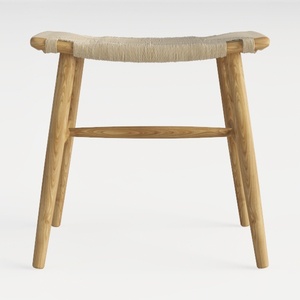
Maven Lane 31" Sophia Backless Bar Stool
Homestyler is your go-to online home design platform, offering an easy-to-use design tool and stunning 3D renderings. Explore a wealth of design projects and learn through engaging video tutorials. Transform your space effortlessly—perfect for both beginners and seasoned designers!
Дизайн сейчас бесплатно
































