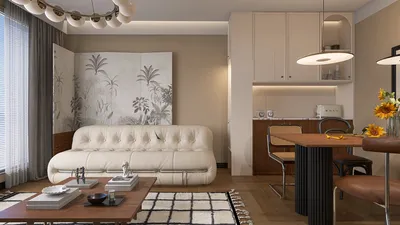


I have frequently utilized room borders—including contrasting trims, color bands, and painted edges—to frame spaces, add rhythm, and illuminate low-energy areas without the need to repaint all surfaces. When executed properly, borders naturally guide the eye, refine proportions, and encourage more natural light to enter a room. In high-traffic areas, they also assist with navigation and reduce eye fatigue. Research by Steelcase has shown that elements like color, contrast, and light quality are essential environmental cues that help individuals navigate their surroundings and maintain focus; in hybrid work settings, 59% of participants identified spatial clarity as a key factor in productivity. The WELL v2 standard likewise emphasizes the importance of color and luminance contrast for visual ergonomics, highlighting that managing glare and achieving balanced brightness significantly cuts down on eyestrain.
Making informed decisions is far more effective than resorting to guesswork. The Illuminating Engineering Society suggests that ambient lighting in living areas should be around 100-300 lux while task zones may require 300-500 lux. When using borders, I prefer gentle contrast ratios—approximately 3:1 between the main wall and the trim—to prevent sharp edges that can appear harsh under higher lux levels. According to Verywell Mind's insights into color psychology, warm shades tend to be stimulating, whereas cool hues promote calmness; this understanding guides my choices in border palettes: I use warm bands to energize circulation in active spaces and cool trims for tranquil bedrooms. For more profound outcomes in workplaces, research by Gensler correlates clear environmental cues with enhanced performance and well-being.
What is a Room Border and Its Functional Benefits?
A room border refers to any intentional edge made with color or material—such as a painted ceiling band, a contrasting baseboard, door casings, picture rails, chair rails, or floor inlays—that defines planes and breaks up expansive areas. Borders enhance figure-ground clarity, making walls look sharper and ceilings appear neater. By adjusting contrast and strategic placement, I can draw attention to entrances, create an illusion of height, or anchor furniture arrangements. In spaces with limited daylight, a lighter border next to a mid-tone wall can enhance the perception of brightness without the need for fixture changes.
Ceiling Borders: Altering Perception of Height
I often rely on ceiling bands to modify how height is perceived in a room. A 4-8 inch light-colored band along the ceiling line against mid-tone walls can visually raise the ceiling. In taller rooms that may feel cold, I take the opposite approach: employing a darker crown line can lower the ceiling's appearance and foster a sense of intimacy. Maintain consistent sheen—choose eggshell or matte finishes to control highlights and avoid glare at 300-500 lux. If you're unsure about your design, utilizing a room layout tool can facilitate visualization of the junctions between ceiling and wall before making final decisions.
Use a Room Design Visualization Tool for Planning
Wall Edge Banding: Direct Movement and Define Areas
A horizontal band positioned at 36-42 inches (chair-rail height) establishes a soothing horizon line and works beautifully for open living and dining spaces. In home office nooks, a slim vertical band can outline a task wall, denoting 'focus' in a subtle manner. For hallways, I suggest a continuous color ribbon at eye level to minimize visual distraction and aid navigation—our brains are adept at following continuous lines. Maintain subtle contrast in narrow corridors: a luminance contrast of 2:1 to 3:1 supports edge detection while minimizing overstimulation.
Trims and Casings: Modern, Classic, or Crisp
White trim is always in style, yet it isn't always the best choice. On light-colored walls, consider using soft gray, bone, or pale beige for a low-gloss finish that's safe from glare. On dark, saturated surfaces, opting for lighter trim helps to avoid blurry edges. For contemporary designs, color-coordinated trims (matching wall and trim in the same hue but with varying sheens) creates a streamlined look and elongates sight lines. In heritage homes, richer casings such as ink blue or forest green look stunning paired with warm wooden floors, adding depth without strong contrast.
Floor Borders and Rugs: Create a Grounded Aesthetic
Floor inlays or high-contrast rug borders can help to anchor seating arrangements and lessen visual chaos in an otherwise busy room. A darker stain on the perimeter around light floorboards provides a sense of character; ensure the transition remains smooth (avoiding sharp 10:1 contrasts) to maintain visual comfort in both sunlight and evening lighting. In apartments, a bordered rug situated under a sectional can define an area while reducing sound reflections, enhancing acoustic comfort.
Strategies for Compact Spaces: Light Borders and Slim Lines
In smaller rooms, I steer clear of strong contrasts and thick bands. Instead, I opt for slimmer, paler borders of 1-2 inches around doorways and window frames, which keep edges visible without compromising the feeling of airiness. Cool tones like powder blue or soft sage can be calming and work well with warm-white lamps in the 2700-3000K range, balancing warmth without creating yellowing on edges.
Vibrant Color Borders: Where to Be Bold
For spaces such as powder rooms, entryways, and stairwells, bold borders serve an essential purpose—these transitional areas benefit from more vibrant energy. Consider a deep terracotta ceiling band against cream walls to create a welcoming effect. In creative studios, high-chroma borders (like mustard or teal) around pin-up walls can foster a spirit of collaboration; studies from Herman Miller regarding color and engagement support the use of intense accents in co-creative environments, provided glare is properly managed.
Monochromatic Borders: Focus on Sheen and Texture
If color isn't a priority for you, experiment with sheen and micro-textures. A matte wall paired with a low-sheen satin border exudes sophistication and elegantly frames art. Implementing grasscloth in a slim strip at chair-rail height adds texture and enhances acoustic absorption, which is particularly valuable in dining rooms prone to echoes.
Understanding Color Psychology by Room
- Living Rooms: Warm neutral borders (greige, taupe) encourage social interactions without overwhelming the senses.
- Bedrooms: Cool, muted borders (blue-gray, soft green) foster tranquility; maintain lower contrasts for a calm environment in the evenings.
- Kitchens: Crisp, light borders surrounding cabinets and doorways enhance visibility and contribute to hygiene; ensuring task lighting is set at 300-500 lux keeps the prep area safe.
- Children's Rooms: Fun, mid-saturation borders like split tones or stripes assist with navigation and stimulate creativity, while avoiding extremes that may lead to overstimulation during focus time.
Proportions, Rhythm, and Visual Harmony
The thickness of the border should correspond to the scale of the room. As a guideline, I begin with 2-3% of the shortest wall’s length for a perimeter band and adjust as needed with mockups. Repeat colors across door casings, baseboards, and ceiling borders to create rhythm. Maintain a primary, secondary, and accent color scheme; remember that borders should act as accents, not dominate the space.
Light, Glare, and Choosing the Right Finishes
When dealing with natural light or LEDs, high-gloss borders can cast harsh halos. I prefer using matte or eggshell for walls and satin finishes for trims, striking a balance between cleanliness and glare reduction. The IES guidelines on vertical illuminance remind me to monitor wall brightness; keeping a gentle 3:1 contrast ratio between the field and the border prevents excessive blooming. In task areas, it's crucial that borders don’t detract brightness from task surfaces—position lighting strategically and ensure the edges support rather than overpower.
Sustainable Materials and Practices
I default to low-VOC paints, wallcoverings with recycled content, and trims made from FSC-certified wood. Projects involving borders are inherently resource-efficient: they require minimal materials while generating substantial impact. If replacing trims, consider durable and easy-to-repair wood types (like oak or maple) and waterborne finishes to minimize indoor air pollutants.
Execution: Measure, Test, and Perfect
Always conduct samples. Paint two swatches next to each other—one for the wall and the intended border—to assess the contrast throughout different times of the day. Utilize high-quality tape, ensure edges are burnished, and pull it off at a 45-degree angle while the paint remains slightly damp to achieve clean lines. If the walls are uneven, a fine bead of caulk under the tape can help ensure a good seal.
Suggested Room Border Color Palettes
- Soft Lift: Wall—warm gray; Ceiling—off-white band; Trim—bone satin.
- Coastal Calm: Wall—pale sage; Border—powder blue; Trim—white matte.
- Modern Graphic: Wall—light taupe; Border—charcoal 2-inch band; Trim—color-matched satin.
- Heritage Warmth: Wall—cream; Crown and base—terracotta; Door casings—deep olive.
- Studio Energy: Wall—linen; Border—mustard; Trim—soft black.
FAQ
Begin by using 2–3% of the shortest wall’s length for a perimeter band. In smaller spaces, borders of 1–2 inches will keep designs refined, while larger living areas can accommodate bands of 4–8 inches. It’s beneficial to test with tape before painting.
A typical luminance contrast of around 3:1 between wall and border is recommended, as it minimizes visual strain in ambient lighting of 100–300 lux, according to IES practices.
Yes, but keep it subtle. Combining matte or eggshell walls with satin trims achieves clean edges without glare. High gloss can cause blooming under LED and natural lighting.
A light-colored ceiling band against a mid-tone wall will visually elevate the space. Conversely, a darker crown line can create a cozier atmosphere in taller rooms.
Cool, muted borders—like blue-gray or soft green—contribute to a calming and relaxed environment. Verywell Mind supports that cool hues are synonymous with calm.
Utilize bold bands to invigorate collaboration areas, but avoid them around focus desks. Research from Steelcase and Herman Miller illustrates a strong correlation between clear environmental cues, moderate stimulation, and improved engagement.
Create a continuous, eye-level band in a low-gloss finish to promote movement. It's essential to maintain gentle contrasts (2:1-3:1) to prevent visual discomfort in narrow spaces.
Mid-saturation borders and playful stripes enhance navigation and creativity. Steer clear of extreme contrasts that could lead to fatigue during learning or studying.
Using textured or fabric borders (like grasscloth strips) may help diminish reflections, particularly advantageous in dining areas and staircases.
Always sample colors next to the intended light sources and examine them in morning, midday, and evening lighting. Ensure that the correlated color temperature remains consistent—2700–3000K for lounge areas, while 3000–4000K suits task-oriented spaces.
Absolutely. Keeping the same hue with different sheens fosters a modern, seamless appearance while maintaining edge visibility.
Opt for low-VOC paints, recycled wall coverings, and trims sourced from FSC-certified materials. Borders are highly efficient as they necessitate minimal material while still providing a significant upgrade.



Homestyler is your ultimate online home design companion! With its user-friendly design tool, stunning 3D renderings, and a wealth of design projects and video tutorials, you can effortlessly turn your interior dreams into reality. Start designing today and unleash your creativity!
立即免费设计
































