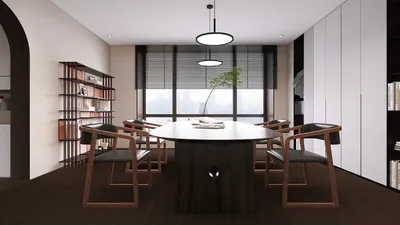


Tall side tables play a vital role in enhancing your living room aesthetics and functionality by providing convenient surfaces at a reachable height for lamps, drinks, and electronics. When selecting these tables, I recommend a height range of 24 to 30 inches, as this aligns well with the arm height of most sofas and lounge chairs, ensuring ease of use. If the table sits more than 3 inches above the armrest, you may find it awkward to place items down.
The height of tall side tables also significantly affects lighting quality. According to the Illuminating Engineering Society, ambient lighting in living rooms should ideally fall between 10 and 20 foot-candles, while task lighting for reading should be between 30 and 50 foot-candles. A taller table positions lamp shades closer to eye level, enhancing vertical brightness and minimizing glare, assuming that the bottom of the shade is just below seated eye height. The WELL v2 guidelines emphasize visual comfort and glare control; utilizing tall side tables allows for lower lumen outputs while preserving contrast, contributing to both energy savings and comfort.
The colors you choose can greatly influence the mood and perceived space in a room. Research highlighted by Verywell Mind indicates that shades of blue and green promote a tranquil atmosphere, while warm neutrals create a cozy feel without overwhelming the visual field. I tend to use darker finishes to stabilize corners, complemented by lighter, matte surfaces that create a sense of openness. Incorporating textured materials such as ribbed metal, oiled oak, or honed stone can enhance tactile depth without causing excessive glare.
Top Selections and My Specification Process
When I specify tall side tables, I categorize them into four distinct functional types: lamps, quick-access perch tables, display pedestals, and compact storage options. Lamp tables should be extremely stable, featuring tops with 10 to 14-inch diameters, weighted bases, and cable management features. Perch tables should have diameters of 12 to 18 inches and rounded corners to prevent injuries in tight seating arrangements. Display pedestals can reach heights of 28 to 32 inches to create artistic displays—think sculptural bases paired with either stone or wooden tops. Storage tables often have one shelf or a slim drawer to keep remotes and charging devices organized.
Optimal Heights and Dimensions
To ensure comfort, match the top height of the table with the arm height of your seating; a difference of 0 to 2 inches above the armrest is ideal. For armless sofas or lounge chairs, align the table height to the seat height plus 6 to 9 inches to replicate arm height. It's also essential to keep the diameter or width of the table between one-third and one-half of the adjacent seating width to prevent crowding. If you're placing two tall side tables on either side of a sofa, it's beneficial to slightly vary their finishes, such as using matte metal next to oiled wood, while maintaining consistent heights for a balanced look.
Choosing Materials with Sustainability in Mind
The choice of materials can affect sound absorption, durability, and maintenance requirements. Solid wood provides warmth and dampens noise, while powder-coated steel is resistant to damage and adds modern lines. Honed stone or terrazzo offers a solid, stable option but should be treated with coasters and felt pads; high-pressure laminate is a budget-friendly alternative that's easy to wipe clean. When possible, I prioritize FSC-certified woods and low-VOC finishes. Opting for matte finishes instead of glossy ones helps reduce reflective glare, enhancing comfort during reading sessions.
Lighting Combinations
To maximize the utility of tall side tables, it's essential to pair them with appropriately sized lamps. Aim for the bottom of the lamp shade to sit at or just below seated eye level to minimize glare. For a 26 to 28-inch high table, lamps typically measure around 22 to 26 inches tall, adjusting based on features like seat height and cushion softness. It's best to use warm LEDs ranging from 2700 to 3000K for living rooms; they enrich wood and fabric colors while adhering to the WELL v2 guidance on visual comfort and glare reduction. If your living room serves as a workspace, consider adding a secondary task light with a controllable beam spread.
Room Layout Tips for Small and Large Spaces
In tighter living areas, opt for slender, tripod, or C-shaped tall tables that can slide under the sofa for space efficiency. Curved tops help enhance movement throughout the room while reducing the risk of bumps. In more expansive living rooms, consider placing a tall side table near a lounge chair and a lower coffee table centrally to create layered surfaces. When arranging for easy access—like for drinks, remotes, or reading materials—position the tables about 16 to 22 inches from the front of the seat. If you're experimenting with layouts, using a room layout tool like Homestyler can help visualize the distances and clearances needed before making a purchase.
room layout tool
Color Choices, Finish Psychology, and Visual Cohesion
Cool color palettes, such as blue-gray or sage, help minimize visual distraction and pair nicely with brushed steel or ash finishes. Warmer palettes like terracotta or walnut create a welcoming environment when combined with antique brass or darker woods. To avoid visual heaviness, balance tall table silhouettes with lighter tops or open-frame bases. Incorporating a repeated finish—like a matching lamp collar and metal table base—can create coherent rhythm in the space without monotony.
Storage Solutions and Cable Management
For those with lamps or charging needs, seek out tables equipped with grommets or hidden cable clips. Ensure cable drops angle away from foot traffic to minimize snags. A slim drawer can provide hidden storage for remotes and glasses, while open shelves should have a minimum height of 10 inches to accommodate books vertically.
Stability, Safety, and Traffic Flow Considerations
For families with young children or pets, select tables with weighted bases, broad footprints, and rounded edges. Maintain a clear walkway of at least 30 to 36 inches; tight spaces can function at 28 to 30 inches as long as traffic isn’t obstructed. Position tables 1 to 2 inches from the sofa edge to avoid fabric wear and to facilitate cleaning access.
Upcoming Trends for 2024–2025
The design world is embracing slim, postmodern column designs topped with stone, a blend of wood and powder-coated finishes, and integrated wireless charging options. Soft geometric forms—rounded rectangles and gentle triangles—enhance movement ease in living spaces. Matte bronze and charcoal finishes remain in vogue, while lighter materials like ash and travertine balance out brighter interiors.
Real-Life Pairings I Find Myself Returning To
- A 26-inch open-frame oak table placed next to a deep lounge chair with a 23-inch arm height, topped with a 24-inch linen shade lamp—perfect for reading.
- A 28-inch stone-topped pedestal alongside a long sofa, supporting a tall plant and stacked art books while contrasting with a low coffee table on the opposite side.
- A compact, 25-inch C-table that slides under a chaise, enabling easy reach for tea and a laptop without occupying unnecessary space.
Guidelines for Measuring Before you Purchase
Measure the height of your seat, the height of the arms, and the distance from the front of the seat to your resting hand position. Convert that information into the desired table height and offset: aim for 0 to 2 inches above arm height and a reach distance of 16 to 22 inches. Try marking out proposed table sizes and clearances using painter’s tape on the floor prior to finalizing your selections.
Frequently Asked Questions
Q1: What is the optimal height for a tall side table next to a sofa?
A1: Ideally, align the top of the table with the sofa arm height or up to 2 inches higher. For armless sofas, use the seat height plus 6 to 9 inches for a suitable reach.
Q2: How much light should a lamp on a tall side table provide for reading purposes?
A2: Aim for 30 to 50 foot-candles on the reading material. Keep the lamp shade bottom close to seated eye level to decrease glare and enhance vertical illumination. For general ambient light, 10 to 20 foot-candles are adequate for most living spaces.
Q3: Which color finishes can make a small living room appear larger?
A3: Utilizing lighter, matte finishes in warm neutrals or cool greens can expand the perceived size of a room by mitigating reflective glare and maintaining soft edges. Glossy surfaces may add to visual clutter and highlight disorder.
Q4: Are tall side tables stable enough for homes with children?
A4: Yes—it's advisable to choose designs with weighted bases, wider profiles, and rounded edges. Ensure the table is positioned 1 to 2 inches from the sofa edge to reduce fabric wear and allow for cleaning ease.
Q5: Which materials are the easiest to maintain?
A5: Options like powder-coated steel and high-pressure laminate are simple to clean and resistant to stains. While wood can dampen sound, it also comes with the requirement of coasters; stone is durable but should ideally be treated with felt pads and properly sealed surfaces.
Q6: How should I arrange tall side tables in a spacious living room?
A6: Use heavier finishes in corners, place a tall side table next to seating for task lighting, and incorporate a lower coffee table in the center. Ensure a walkway of 30 to 36 inches and a reach distance of 16 to 22 inches from the seat to the table edge.
Q7: What is the best lamp color temperature for a living room?
A7: For living spaces, warm LEDs in the range of 2700 to 3000K are ideal. They enhance the look of wood and fabrics while ensuring comfortable contrast levels, complying with visual comfort standards stated in WELL v2.
Q8: Can a tall side table provide storage without appearing bulky?
A8: Yes, opting for slim drawers or a single shelf can keep the appearance light, while open frames and lighter tops maintain an airy silhouette. Ensure the top width does not exceed half the adjacent seat’s width to prevent visual clutter.
Q9: How can I keep cables organized?
A9: Look for built-in grommets or clips, direct cables down the legs, and ensure they drop away from foot traffic. Conceal excess cables with fabric sleeves or place them under rugs using low-profile ramps for a tidy appearance.
Q10: Is the mixed-material table trend still popular?
A10: Definitely—combinations like wood and powder-coated steel or travertine and bronze create a nice blend of warmth and structure, fitting well with the soft geometric forms and muted matte finishes expected in 2024–2025.


Modern Minimalist Solid Wood Metal Round Side Table 3D Model

Minimalist Solid Wood Hourglass Shape Side Table 3D Model
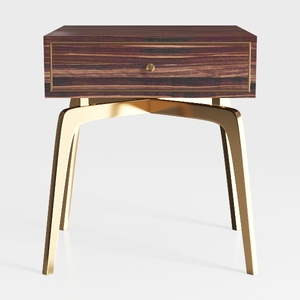
Modern Walnut Brass Nightstand Single Drawer Storage 3D Model
Homestyler is your go-to online home design platform, perfect for anyone looking to transform their space. Utilize its user-friendly design tool, explore stunning 3D renderings, and access an array of DIY video tutorials and design projects to effortlessly bring your home ideas to life!
Design jetzt kostenlos
































