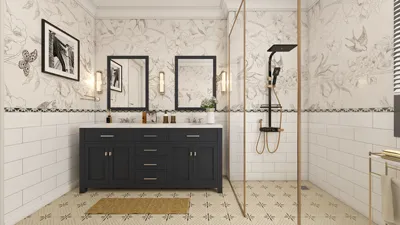


I’ve discovered that the essence of a living room hinges on its surfaces and storage solutions. A drawer table not only anchors the space, but it also helps conceal visual clutter while keeping essential items easily accessible. By incorporating this type of furniture, you can effectively minimize mess, simplify daily routines, and introduce a tactile richness that completes the room. Using tools like Homestyler can assist in visualizing and planning these elements within your design.
Research in workplace environments, which is easily applicable to home settings, indicates that reducing visual distractions contributes to enhanced focus and tranquility. A study by Steelcase showed that well-organized spaces lead to increased efficiency and satisfaction, especially when routine items are just within reach. The WELL v2 guidelines further highlight the importance of maintaining tidy, clutter-free areas, pushing for layouts that foster both functionality and mental wellness. These strategies seamlessly apply to a living room, where a drawer table can alleviate surface chaos while keeping items such as remotes, chargers, and notebooks within easy reach. The IES suggests a lighting standard of about 150–300 lux for general living areas, and having drawers can keep surfaces clear, allowing for even distribution of ambient light without glare from scattered objects. I find these recommendations helpful during my design process.
The choice of color greatly impacts the atmosphere as well. According to research compiled by Verywell Mind, warmer neutral tones evoke feelings of warmth and security, while cooler shades create an airier and more spacious feeling. When a drawer coffee table adds visual weight, balancing it with lighter colors or wood finishes can prevent the room from feeling overly dense. Additionally, materials with a low sheen help reduce reflections that might otherwise heighten brightness beyond what's comfortable, thus maintaining a serene environment.
How a Drawer Table Influences Daily Interactions
A coffee table featuring two or three shallow drawers transforms how the space is used. With the tabletop left clear of clutter—like piles of mail—everyday items find their designated spots. One drawer can hold remotes and gaming controllers, another set aside for coasters and napkins, and the last for notebooks and chargers. This organization can dramatically decrease the time spent tidying up at the end of the day, turning a typical five-minute clean-up into a matter of thirty seconds.
Proportions, Flow, and Arrangement
Proportion is critical. I recommend that a coffee table have a length that is about two-thirds the width of the seating arrangement, maintaining a height of 16–18 inches between the seating and table for comfortable access. Ensure an 18-inch gap between the table and sofa edges to avoid knee knocks and allow for smooth traffic flow, and keep 30–36 inches for main walkways. For layout assessments, using a room design tool like Homestyler can effectively simulate clearances and drawer accessibility, particularly when drawers open towards foot traffic.
Specifications for Drawer Design
• Depth: A drawer depth of 2.5–3 inches is ideal for remotes and small gadgets—useful enough without allowing for clutter to accumulate.
• Guides: Soft-close mechanisms with full-extension runners ensure complete drawer access, preventing items from hiding in the back.
• Organization: Incorporating dividers or felt trays allows for better drawer usage, as it creates defined spots for items.
• Handle Design: Opting for recessed pulls or beveled edges reduces the chance of snagging clothing and offers a streamlined appearance.
• Ventilation: When storing chargers, ensure there are cable grommets or hidden slots at the back to avoid kinks in the cords.
Sustainable Material Choices
Choosing the right materials influences both mood and durability. Solid wood frames made of oak, ash, or walnut with veneered tops are better at resisting warping in drier environments than solid wood slabs. For a modern aesthetic, consider powder-coated steel frames combined with composite tops that provide a sleek appearance and strong structure. I prioritize low-VOC finishes and FSC-certified wood, as they help minimize indoor pollutants while also standing up to daily wear and tear. For added comfort, a matte or satin finish reduces glare and fingerprints. When selecting materials, using resources such as Homestyler can help evaluate practical durability and sustainability options.
Light, Glare, and Color Harmony
Tables act as reflective surfaces for light. Pairing drawer tables with layered lighting setups—2700–3000K for warm evening illumination, 3500K for work—keeps the total ambient light around the recommended 150–300 lux standard. A matte wood or honed stone top will diffuse light more effectively than high-gloss finishes. For darker sofas, choosing a medium-tone table can provide balance, avoiding a stark contrast. The principles of color psychology indicate that earthy neutrals or subdued greens encourage a sense of calm; in practice, these colors help a storage table to feel integrated rather than overly substantial.
Ergonomics and User-Friendly Features
Ease of access is paramount. Drawers should ideally open towards the primary user without having to bend excessively. For sectional sofas, double-sided drawers on longer tables can enhance usability or a single drawer on the most frequently used side can be more practical for activities like journaling or playing games. In family-oriented spaces, opting for rounded corners and testing drawer damping is wise—soft-close mechanisms are particularly appreciated by small hands. Additionally, felt-lined drawers can help minimize noise, creating a more peaceful living environment.
Spatial Rhythm and Visual Harmony
A bulky table can disrupt the room’s visual balance. Counteract this by incorporating lighter side tables or slender lounge chairs. Repeating wood tones—perhaps on a shelf or artwork—can ensure the table feels cohesive rather than isolated. Consider the room's design rhythms: if your sofa features straight, clean lines, mirror this in the table’s edge; if the room favors curves, opt for rounded corners to maintain a sense of continuity. The aim is to establish visual rhythm rather than uniformity.
Effective Storage Planning
• Everyday items: Place remotes, glasses, and phone chargers in the top left drawer for quick access.
• Hosting essentials: Reserve the right drawer for coasters, cloth napkins, and matches for entertaining guests.
• Quiet zone: Use the center drawer for notebooks, pens, and headphones, ideal for jotting down notes or reading at the coffee table.
• Seasonal storage: Consider placing a slim tray behind the lower apron for gift wrap and cards, especially if you host frequently.
Designs for Small and Large Living Areas
Compact living rooms benefit from lift-top tables where the drawers face the sofa. Choose airy legs and shallow storage to preserve sightlines. In larger spaces, a wide, low table with drawers on opposite sides can enhance multiple seating arrangements. While planning for these areas, I often use Homestyler as a tool to visualize arrangements and ensure clear access to drawers, verifying that pathways remain unobstructed.
Finishing Touches That Enhance Experience
Round off edge radii with 3–5mm to prevent shin bumps. Soft leather pull tabs can add comfort, while solid wood dovetail joinery showcases craftsmanship. If you prefer a modern aesthetic, creating a shadow gap between the top and apron can add depth and sophistication. Concealed under-table cable solutions help keep chargers out of sight, reducing visual chaos while promoting a structured living area.
Practical Pairings
I often combine a drawer table with a dimmable reading lamp and a low, textured rug to absorb sound. If a client enjoys watching shows late into the night, I recommend including a lidded box within one drawer for remote storage, keeping the tabletop immaculate. For homes with pets, consider ceramic or stone tabletops as they resist scratches better than soft woods; drawers can also serve as secure storage for chewable cords.
Care and Maintenance for Longevity
Annually maintain runners with a light silicone lubricant. Clean finishes with a damp microfiber cloth while avoiding harsh chemicals. Replace drawer linings as needed, typically every two to three years for high-use pieces. If crafted from timber, nourish surfaces with hardwax oil or manufacturer-approved treatments to prevent dryness and fine cracks.
Considerations for Size Selection
Begin by measuring seating height. Ideally, the table should sit within an inch or two of the cushion height. For U-shaped seating arrangements, a rectangular table with central drawers can effectively serve all sides. If the sofa depth exceeds 38 inches, opting for a taller table can help shorten reach.
Tips for Style Consistency
Align the table’s wood tone with either the flooring or a significant feature in the room—warm with warm, cool with cool. In cases where mismatched tones are unavoidable, a lighter rug can help neutralize the contrast.
Integrating Technology Discreetly
Consider incorporating a wireless charger beneath a thin wood or composite top; ensure that materials are compatible. Route cables through a rear grommet to a convenient floor box to maintain a tidy surface.
Family-Friendly Design Considerations
Implement soft-close hardware, rounded edges, and lockable drawers for medications or small craft items to create a secure and calming environment.
Lighting Strategies
Aim for layered lighting: maintain ambient levels between 150–300 lux, position task lamps near sitting areas, and apply accent lighting on artworks or shelves. A matte finish on tables minimizes glare while ensuring accurate color rendering.
Frequently Asked Questions
Q1: How many drawers are ideal for a standard living room coffee table?
A1: Generally, two to three shallow drawers strike the perfect balance—providing enough organization for essentials without overwhelming the visual space. Full-extension runners ensure easy access.
Q2: What is the best drawer depth for remotes and chargers?
A2: A depth of approximately 2.5–3 inches is effective. This strategy prevents stacking, which can complicate retrieval and invite clutter.
Q3: Can a darker drawer table make my small room appear smaller?
A3: It might. To offset this, balance it with lighter shades in the rug and wall colors, considering a matte finish to reduce visual heaviness.
Q4: What should I do to avoid knee contact with drawer pulls?
A4: Choosing recessed handles or beveled edges is advisable. Always ensure that maintaining an 18-inch space between the sofa and table is upheld, and utilize layout simulation tools before purchase.
Q5: Is a lift-top table with drawers practical?
A5: Yes, particularly for tighter spaces or informal laptop work areas. Ensure that the hardware provides proper counterbalance and that drawers close smoothly for controlled movement.
Q6: Which materials resist daily wear the best?
A6: Solid or engineered wood frames with durable finishes are top recommendations, along with ceramic or honed stone surfaces. Low-VOC coatings also help improve indoor air quality.
Q7: How does lighting impact table selection?
A7: Glossy surfaces can create glare under 300 lux of ambient light; hence, a matte wood or stone finish is preferable for comfort. Warm-white tones around 2700–3000K invite a cozy atmosphere in the evenings.
Q8: What is the most effective way to organize the drawers?
A8: Utilizing trays and dividers is key: design one for tech items, one for entertaining necessities, and another for quieter activities. Labeling beneath trays can aid in shared spaces.
Q9: Can a drawer table be compatible with a sectional sofa?
A9: Definitely. Opt for wider tables featuring opposing drawers or design with a side drawer orientation to accommodate seating on all sides.
Q10: How can I keep cables organized?
A10: Incorporate rear grommets and utilize slim cable trays beneath the table surface, while storing adapters in a felt-lined box within a drawer for cleanliness.
Q11: Do metal-framed tables produce noise?
A11: They can, particularly if they lack lining in the drawers. Felt inserts and soft-close systems can significantly reduce noise and enhance comfort.
Q12: What maintenance strategies can prolong lifespan?
A12: Regular lubrication for runners, gentle cleaning methods, and periodic replacements for drawer linings are essential practices. Furthermore, refinishing the surfaces as recommended by the producer ensures durability.
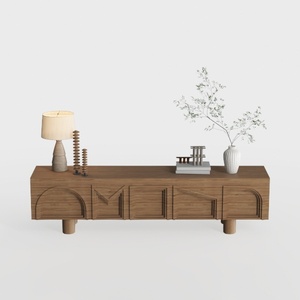

Minimalist Carved Solid Wood TV Stand Console Table 3D Model
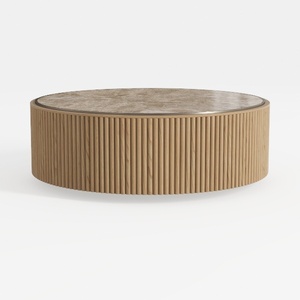
Round Coffee Table with Storage,Fluted Lift Up

If you're looking to transform your home with ease, Homestyler is the ideal tool for you! This user-friendly online home design platform offers an incredible array of features, including 3D rendering, inspiring design projects, and helpful DIY video tutorials. Bring your creative ideas to life effortlessly!
Concevez maintenant gratuitement
































