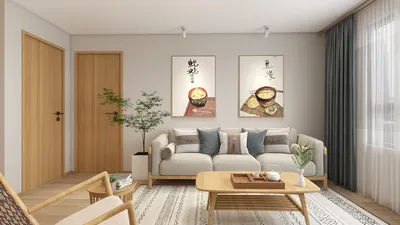


I once miscalculated the dimensions of a dining area, resulting in a client receiving an 11 x 6 rug that resembled a ship sail underneath a small bistro table. While I found it embarrassing at that moment, it has since become a funny memory. That experience taught me the significance of proportions and how an 11 x 6 rug can truly shine when used appropriately. If you're planning to arrange your seating layout before making a purchase, using design tools like Homestyler can help you avoid such rookie blunders.
1. Positioned under a rectangular table — a timeless choice
I enjoy placing an 11 x 6 rug directly beneath a standard rectangular dining table that accommodates 4 to 6 seats. This arrangement anchors the furniture in the room and visually enhances the dining area without overpowering the overall space. The benefits include clear proportions and effortless chair movement; however, it’s essential to ensure that at least 24 inches of rug extends beyond the edges of the table to prevent chairs from catching when pushed back.
save pin
2. Layering textures for enhanced visual interest
By layering a narrower runner or smaller patterned rug atop an 11 x 6 base rug, you can infuse warmth and character into the dining space. This technique is advantageous for complex floor plans as it can conceal stains and create a refined, curated look. However, keep in mind that this method may require a bit more upkeep and might necessitate the occasional adjustment of layers; utilizing non-slip rug pads and a touch of rug tape can be beneficial.
save pin
3. Offset for a clear traffic lane
When the dining area also serves as a passageway, I often suggest slightly offsetting the 11 x 6 rug toward the table to establish a designated walking lane. This minor adjustment keeps dining chairs on the rug while allowing foot traffic to flow alongside it. If visual planning is your preference, utilizing tools like Homestyler that can help you easily generate floor plans makes this decision straightforward and accurate.
save pin
4. Adjust pattern scale to influence perceived size
Opting for a small-scale repeating pattern or thin stripes on an 11 x 6 rug can create the illusion of a more expansive dining area, while bold, oversized designs can evoke a sense of coziness and intimacy. I often recommend low-pile, tightly woven rugs in these situations due to their ability to accommodate chair movement better. Be cautious, as high-pile and shag styles may look luxurious but can trap crumbs and interfere with chair legs.
save pin
5. Align with an adjacent kitchen space
If your dining area is near the kitchen, running the long edge of the rug parallel to countertops or an island promotes harmony. An 11 x 6 rug can effectively demarcate the dining spot in an eat-in kitchen while reflecting the lines of nearby cabinetry. For layouts adjacent to the kitchen, consider testing a parallel configuration with a kitchen workflow simulator to ensure the rug placement accommodates actual movement and preparation zones.
save pin
FAQ
Q1: Is an 11 x 6 rug a standard size for dining areas?
A: While it's not the most conventional size, 11 x 6 is a practical choice for mid-length tables and narrower dining spaces. It particularly suits areas where you wish to have rug coverage without extending it completely across the floor.
Q2: How much rug should extend beyond the dining table?
A: Aim for at least 24 inches of extension on all sides, ensuring chairs remain on the rug when pulled out. Insufficient extension can lead to an awkward arrangement and potential snagging.
Q3: Can I utilize an 11 x 6 rug in an open-plan setting?
A: Absolutely — offsetting the rug or aligning it with structural elements can help distinguish dining areas in open plans while maintaining flow to surrounding zones.
Q4: What materials are best for rugs under dining tables?
A: Opt for low-pile wool blends, flatweave cotton, or synthetic indoor-outdoor fibers to balance comfort, durability, and ease of cleaning. It's best to avoid delicate long-pile fibers in areas subject to heavy foot traffic during meals.
Q5: Do patterned rugs do a better job of hiding stains?
A: Generally speaking, yes — medium-contrast patterns and multi-tonal weaves can effectively disguise spills and crumbs compared to solid light colors.
Q6: How can I prevent my 11 x 6 rug from sliding?
A: Employing a full-width non-slip rug pad that matches the rug size or strategically placed rug tape at the corners can help. A pad also provides cushion and floor protection.
Q7: Where can I find reliable sizing advice for rugs?
A: For expert insights on area rug sizing and placement, check out The Spruce’s guide on selecting the appropriate area rug size: https://www.thespruce.com/choose-area-rug-size-4127827.
Q8: Can I mix rugs if my dining table exceeds 11 feet in length?
A: Mixing rugs is feasible, but I usually recommend using a single continuous rug for tables exceeding the length of the rug. If you must use multiple pieces, ensure the patterns and pile types are compatible and secure seams to avoid tripping hazards.
save pin
Homestyler is your go-to online platform for home design! With its easy-to-use design tool, stunning 3D renderings, and a wealth of design projects and DIY video tutorials, you can effortlessly create and visualize your dream space, no matter your experience level.
Design Now for FREE
































