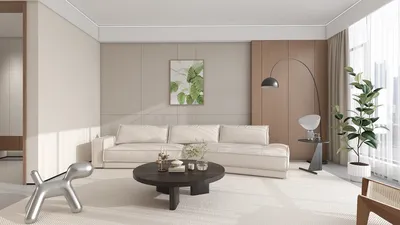


Having orchestrated numerous weddings throughout Chennai’s southern corridor, I've found that Madipakkam stands out for its accessibility, community feel, and versatile venues. Whether you’re planning a cozy gathering or a grand affair for up to 1,000 attendees, the essential aspects include aligning venue capacity, acoustics, lighting, and guest flow with your financial plan—followed by refining the experience through innovative design strategies. Utilizing tools like Homestyler can aid immensely in visualizing these elements.
The comfort of guests is crucial for their overall satisfaction. Studies from Steelcase indicate that environments designed with human factors in mind enhance comfort and engagement significantly; their surveys have consistently found a link between clear spatial organization and ergonomic seating with improved satisfaction ratings. Similarly, the WELL v2 Light concept highlights the importance of targeted illuminance levels, generally between 300 and 500 lux for social environments, and glare reduction to mitigate visual strain—frameworks that can be directly applied to banquet lighting setups. For further insights, refer to Steelcase Research.
Effective budget planning relies on concrete data. Research by Gensler reveals that spatial clarity and easy navigation correlate strongly with superior guest flow and reduced overcrowding. This principle becomes evident during events such as the baraat entry, buffet setups, and photo sessions. In practical terms, having a clear entry point, ample pre-function area, and well-defined service routes can significantly minimize waiting times and alleviate stress for both guests and catering teams. Summarized findings can be found via Gensler Research.
Overview of Madipakkam: Accessibility, Venue Capacity, and Crowd Management
Madipakkam is conveniently situated near major arterial routes like Velachery, Pallikaranai, and Nanganallur, making travel accessible for varied guest lists. When organizing weddings, I focus on factors such as parking arrangements, spillover areas, and an uninterrupted flow around the main hall. If the layout supports it, create a clockwise circulation from entry to seating, then to the stage, followed by dining, ultimately leading guests back to the exit. To test different configurations, consider using an interior layout planning tool for simulating seating arrangements and mandap placements.
Selecting the Right Venue Based on Guest Count
Optimal for 100–250 guests: Find venues with adaptable seating options, effective air conditioning, and ceiling heights around 12 to 14 feet for auditory comfort. Ensure straightforward visibility to the stage and position the buffet perpendicular to main seating to minimize disruptions. In smaller venues, I recommend warm lighting at around 3000–3500K to create an intimate atmosphere along with soft, matte textures to absorb sound.
Ideal for 250–600 guests: These venues generally feature pre-function areas, adequate backstage arrangements, and distinct dining zones. Aim for a balanced seating layout with a width-to-depth ratio of 2.2 to 2.5:1 for optimal sightlines to the stage. Elevate the center aisle lighting to 400–500 lux to facilitate movement and reduce glare by employing indirect lighting sources.
For gatherings of 600–1,000+ guests: Prioritize venues with robust mechanical systems, effective soundproofing, and ample backstage space to facilitate décor setup. A dual-zone approach—one for the ceremony and the other dedicated to dining—helps maintain a pristine main area. Ensure that aisle widths are at least 1.8 m for main routes and 1.2 m for secondary pathways. Employ neutral tones for ceilings and high CRI lighting to enhance photography and attire.
Acoustics, Lighting, and Comfort: Key Elements
For acoustics, aim for balanced sound absorption using carpet runners, fabric backdrops, and cushioned seating to mitigate echo. Position speakers slightly ahead of the stage and angled towards seating clusters to minimize feedback issues.
Regarding lighting: Opt for clarity during ceremonies with warm tones around 3500–4000K without being harsh. Maintain a contrast ratio of 3:1 between the stage and general seating to enhance photo quality, utilizing side-fill lighting to create even skin tones. Incorporate ambient, accent, and decorative lighting to prevent hotspots and minimize glare.
For thermal comfort: Ensure the AC capacity matches expected occupancy and avoids disruptions during door cycles; consider vestibules or air curtains for busy entry points. Keep service corridors clear to prevent heat from kitchen areas spilling into event spaces.
Strategies for Effortless Movement
Design three dedicated zones: one for ceremonies, one for dining, and the other for circulation. If dining occurs in a separate area, stagger meal invites to reduce queue buildup. Place gift tables and photo stations strategically along the circulation path rather than directly at the entrance. In compact settings, diagonal seating can enhance perceived space and improve sightlines. Visualization tools like an interior layout planner can assist in exploring seating options.
Color, Materials, and Décor for Stunning Photographs
According to color psychology, warm tones increase sociability, while cooler shades help calm traffic areas. Use neutral backdrops with a single bold accent color (such as marigold, emerald, or ruby) to accentuate the couple, avoiding overwhelming skin tones. Opt for matte finishes to minimize glare in photographs and video.
Material choices: Prefer low-VOC paint, flame-retardant drapery, and slip-resistant flooring. Consider renting décor items and reusing floral arrangements from the ceremony to the reception for sustainability.
Madipakkam Venue Recommendations by Type
Select compact venues with unobstructed sightlines and a suitable stage. Ensure effective sound management, as thin ceilings can amplify noise. A single buffet line may suffice; position water stations at both ends of the space to facilitate movement.
Look for venues with family-friendly areas, lounges for nursing mothers, and accessible restrooms. Provide clear directional signage and divide the dining area into two serving lines to expedite service.
Focus on ceiling height, stage depth (at least 3.6–4.2 m), and an equipped green room. Confirm that backstage areas allow for rapid changes between events.
Coordinating Vendors and Schedules
Create a comprehensive floor plan shared with catering, decoration, and audiovisual teams. Clearly indicate power access points, truss locations, and service pathways. Conduct a sound check and lighting adjustment session 30 minutes prior to the event, maintaining a buffer of 45-60 minutes between the ceremony and dining to allow for furniture arrangements and cleanup.
Cost-Effective Strategies Without Sacrificing Quality
Reallocate décor budgets toward lighting; well-placed fixtures can enhance even the simplest setups. Utilize high-thread count rental linens for visual appeal. Implement a mixed seating arrangement—banquet rounds in front and theater rows in the back—to strike a balance between comfort and capacity. Consolidate photography areas to streamline setup and minimize hazards.
Ensuring Guest Comfort and Accessibility
Whenever possible, provide step-free pathways. Position elder guests along the main aisle for straightforward access. Ensure restrooms are well-lit (300–400 lux), clearly marked, and stocked with supplies. Offer earplugs near DJ setups for guests who may be sensitive to sound.
Site Visit Checklist
- Assess capacity for both banquet and theater layouts
- Check ceiling height and rigging capabilities
- Review power requirements, generator backup, and AC specifications
- Evaluate kitchen ventilation and service routes
- Ensure adequate parking, drop-off areas, and contingency plans for rain
- Inspect acoustic finishes and sound behavior
- Confirm storage capacity for décor items and gifts
FAQ Section
Q1: How can I estimate the hall capacity based on my seating arrangement?
A: For banquet-style seating (5–6 ft tables), allocate approximately 10-12 square feet per guest. For theater arrangements, consider roughly 8-9 square feet per guest. It’s wise to include an additional 20-25% to accommodate aisles, stage space, and service paths.
Q2: What lighting levels are considered comfortable for ceremonies?
A: General seating should maintain illumination between 300-500 lux, with the stage being three times brighter to ensure clarity without glare. This aligns with the WELL v2 Light recommendations for visual comfort.
Q3: How can I effectively minimize echo in a large venue?
A: Employ fabric drapes, carpet runners, upholstered seating, and strategically placed speakers aimed towards the guests to limit echo. Avoid using bare, hard walls that can exacerbate sound issues without softening elements.
Q4: Is it worth the expense to have a separate dining hall?
A: For gatherings exceeding 400 guests, the answer is yes. This arrangement preserves ceremony acoustics and shortens buffet lines, while simplifying transitions and cleaning tasks between events.
Q5: What widths should I consider for aisles?
A: Aim for main aisles around 1.8 m and secondary aisles around 1.2 m to facilitate mixed traffic flow and ensure safety during emergencies, enhancing both efficiency and security.
Q6: What guidelines should I follow for color palettes in photographs?
A: Utilizing a neutral base with one bold accent color helps maintain natural skin tones while reducing glare. Aim for light levels of 3500–4000K to prevent color casts on outfits.
Q7: What are some budget optimization techniques?
A: Focus spending on lighting and movement designs rather than elaborate decorations. Consider using rental linens, repurposing floral arrangements, and creating flexible seating plans to maximize capacity while minimizing discomfort.
Q8: What should be included in my pre-event technical checklist?
A: Confirm power capacity, generator backup, HVAC performance, stage anchoring points, speaker placement, and run a focused lighting rehearsal. It’s critical to share a cohesive plan with all involved vendors.
Q9: How can I effectively manage guest transition into dining areas?
A: Stagger invitations based on seating blocks, offer two identical buffet lines, and place hydration stations near exit pathways. Always keep circulation routes clear of photo booths and gift tables.
Q10: Which materials are the safest choices for busy wedding settings?
A: Opt for low-VOC paints, fire-retardant fabrics, non-slip flooring, and rounded furniture edges to enhance safety and comfort for all attendees, no matter their age.
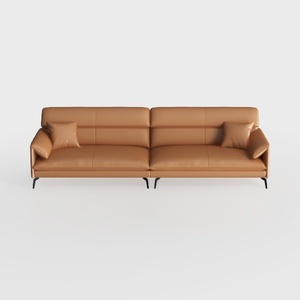
Modern Minimalist Tan Leather Living Room Sofa 3D Model
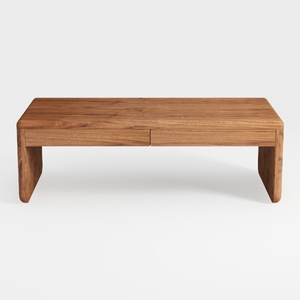
Minimalist Solid Wood Two Drawer Coffee Table 3D Model
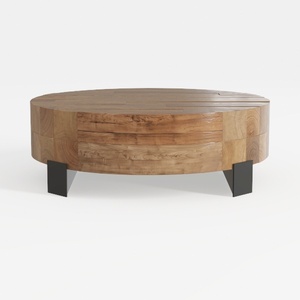

SIMPLIHOME Rayburn Drum Coffee Table - 38 inch
Homestyler is an incredible online platform for home design enthusiasts! With its intuitive design tool, stunning 3D renderings, and a wealth of design projects and DIY video tutorials, it makes transforming your home fun and accessible—perfect for both beginners and seasoned designers alike!
Zaprojektuj teraz za darmo
































