

Wall-mounted wardrobes do more than conceal clutter; they establish a room’s flow, guide movement, and influence the ambiance of everyday life. In my designs, the greatest success comes from approaching the wardrobe as a cohesive system—storage tailored to actions, finishes adapted to illumination, and dimensions that harmonize with the room's architecture. Research indicates that well-designed storage significantly enhances the spatial experience. According to Steelcase, 70% of employees prefer environments that minimize visual distractions, and streamlined storage solutions help reduce clutter, which lowers cognitive load and promotes a sense of tranquility. The WELL v2 standard also connects orderly, low-glare environments with well-being, emphasizing the importance of proper reflectance and ergonomic access height in storage configurations, which can be effectively managed using tools like Homestyler for room planning.
The selection of colors and lighting around the wardrobe plays a crucial role in shaping atmosphere and functionality. As noted by Verywell Mind, cool colors can enhance concentration, while warm neutrals foster comfort—a critical factor when deciding on finishes for doors and internal surfaces. The Illuminating Engineering Society (IES) advises a task illuminance of approximately 300–500 lux for the interiors of wardrobes, with glare control achieved through appropriate shielding and diffusion. Addressing these parameters at the design stage helps avoid excessively bright facades or dim interiors that could disrupt dressing activities. For an in-depth understanding of lighting's influence on health, the WELL Light concept presents practical guidelines that can be effectively applied to built-in storage solutions, ideally using tools such as Homestyler.
Design Fundamentals: Proportions, Access, and Flow
I begin by aligning storage solutions with actual items and behaviors. A straightforward ratio is effective: 50–60% allocated for hanging clothes (with a 1:3 split between long and short garments), 20–30% for folded shelving, and 10–20% for drawers and accessories. For shared bedrooms, apply this distribution symmetrically on both sides to minimize overlap and daily friction. Maintain primary access heights of 800–1500 mm above the floor for comfortable reach; areas for seasonal items or luggage can be placed above 2000 mm. Always ensure a clear aisle depth of 900–1100 mm in front of swinging doors. In tighter spaces, explore sliding or pocket door options for more efficiency.
Layout Solutions for Compact and Intelligent Spaces
When working with limited space, I position the wardrobe wall along the least interrupted span, concentrating all tall storage on that side. Utilizing corner L-shaped carcasses with a 900 mm swing and carousel shelving increases functionality in dead areas. Over-door bridge cabinets optimize vertical space; a depth of 350–450 mm is ideal for storing bedding without crowding the upper area. If you are testing layouts or door swings, using a room design tool like Homestyler can help visualize the circulation and required clearances before any construction begins.
Sliding vs. Hinged: Selecting the Appropriate Mechanism
Sliding doors are preferable in tight spaces—aim for a minimum panel width of 600 mm with soft-close systems and anti-jump guides. Bottom-rolling tracks are suitable for heavier finishes such as mirrors or stone. Hinged doors provide complete visibility and better integration with internal pull-outs; use 165° hinges for corner setups. A mixed strategy—outer sliding doors complemented by inner swinging trays—works beautifully for compact dressing areas.
Materials and Finishes: Resilience, Light Adjustment, and Touch Sensation
Regarding carcasses, moisture-resistant plywood or high-density particleboard with melamine delivers consistent performance; ensure all edges are sealed to withstand humidity. Matte laminates (with gloss units ranging from 5 to 15) reduce glare and fingerprint visibility; open-pore veneers introduce warmth and tactile richness. Mirrors enhance illumination but can cause over-brightness—split them into vertical sections or apply smoked tints to soften reflections. Inside, opt for lighter finishes (with a light reflectance value of 60–80) to boost visibility under minimal lighting and lessen the reliance on bright illumination. Choosing sustainable options like FSC-certified materials and low-VOC finishes contributes to indoor air quality and longevity.
Illuminating the Wardrobe: Enhancing Visibility, Reducing Strain
Incorporate linear LED lighting with a color temperature of 3000–3500K to create a warm-neutral palette that accurately displays fabrics. Target a brightness level of 300–500 lux on shelving surfaces and implement motion detection sensors to optimize energy use. Recess lighting strips behind a small ledge to protect the eyes; placing vertical lights along the door edges ensures uniform illumination. Avoid installing downlights directly in front of glossy surfaces to minimize glare and distracting reflections.
Adaptive Organization Systems
Utilizing modular internal kits extends the functionality of wardrobes as needs change over time. Combine double-hanging rails (with a 900–1000 mm clear height) and a single long-hanging section (1300–1500 mm) for maximum flexibility. Include shallow drawers (120–160 mm deep) for accessories and deeper options (200–240 mm) for bulkier items. Innovations like pull-out trouser racks, tilt-out shoe trays, and sliding scarf holders minimize stacking and friction. Adjustable shelving that increments at 32 mm allows for fine-tuning as requirements shift.
Color Psychology and Aesthetic Balance
Color plays a vital role in conveying intentions: warm wood tones create an inviting atmosphere in bedrooms, while cool greys or subtle blues aid in fostering calmness, which is beneficial in smaller spaces. A bold contrast between doors and fronts may invoke a dynamic rhythm but can disrupt the flow in compact areas; reducing contrast and highlighting vertical lines can elongate walls. Accent niches, such as a 10–15% color pop inside open compartments, can add character without overpowering the visual landscape.
Sound and Tactile Comfort
Large wardrobes can inadvertently reflect sound in heavily finished environments. Implementing soft-close soft-close mechanisms, felt bumpers, and interior fabric panels can minimize noise from slamming doors. For sliding options, incorporating brush seals helps diminish rattling and light seepage at edges. Choose handles with rounded edges and a projection of 30–40 mm to prevent snagging on garments.
Mirrors, Nooks, and Built-In Desks
Full-height mirrors are best positioned on the interior side of doors to maintain a serene wall surface. If externally placed, insert them within wooden frames to avoid creating an uninterrupted reflective plane. Design a central niche for frequently used items, or seamlessly integrate a floating desk between wardrobe sections—ensuring knee clearance of 650–700 mm while concealing power outlets behind a flip panel for a neat appearance.
Intelligent Lighting and Subtle Technology
Utilizing motion sensors linked to low-power lighting strips enhances energy efficiency and simplifies nighttime functionality. Implement small dehumidifiers or cedar linings in sensitive compartments. RFID or keyless entry systems are advantageous in shared living spaces; discreetly conceal these within integrated styles to maintain aesthetic integrity. When considering these technological additions, a design visualization tool like Homestyler can aid in assessing how daylight will impact the space before physical installation.
Safety, Airflow, and Upkeep
Incorporate a 10–20 mm shadow gap at the ceiling to prevent cracking due to building movement and to facilitate pressure equalization. Utilize rear ventilation grills in humid areas to avert mildew formation, particularly behind external walls. Opt for finishes that are easy to clean and design toe-kicks with a height of 60–100 mm to shield panels from mops and vacuums.
Cost-Effective Strategies
Focus on the quality of carcasses and hardware first; upgrades to doors and handles can follow later. Standardize module widths (450/600/900 mm) to reduce waste. Combining private storage with a 10–20% open display area minimizes door costs while enhancing dimensionality to the wall.
Quick Layout Guidelines
- For narrow spaces: implement a 2-panel sliding door system at 2400 mm in width with a depth of 600 mm, along with overhead cabinets of 350 mm depth.
- For corner solutions: utilize an L-shaped carcass featuring a pull-out for blind corners and equip it with 165° hinged doors; leave 1000 mm of clearance for swinging.
- For family bedrooms: create a mirrored symmetry with two double-hang sections flanking a shared drawer unit and a central display area.
Frequently Asked Questions
Q1. What is the optimal depth for a wall wardrobe?
A1. For adult clothing, a depth of 550–600 mm will accommodate standard hangers and keep doors aligned. For units focused solely on folded items or in narrow hallways with sliding mechanisms, go for a measurement of 450–500 mm.
Q2. How much lighting is necessary inside a wardrobe?
A2. Aim for 300–500 lux on shelves and rails utilizing 3000–3500K LED lights. Shield the light source to minimize glare and implement motion sensors for energy conservation.
Q3. How do I choose between sliding or hinged doors?
A3. Opt for sliding doors in narrow corridors (less than 1000–1100 mm of clearance). Choose hinged doors for full openness, integrated mirrors, or pull-out shelves inside.
Q4. Which finishes resist fingerprints and glare?
A4. Matte laminates within the 5–15 GU range and open-pore veneers are effective. Break up mirror surfaces with framing or use tinted glass to reduce reflections.
Q5. How should I approach planning storage ratios?
A5. A solid starting point consists of 50–60% for hanging items, 20–30% for shelving, and 10–20% for drawers and accessories. Adjust based on lifestyle needs—those who prefer athleisure may require more shelf and drawer space.
Q6. What are some tips for improving acoustic comfort?
A6. Implementing soft-close mechanisms, felt bumpers, brush seals on sliding doors, and fabric-lined internal panels can greatly minimize noise and rattling in acoustically challenging environments.
Q7. How can I address moisture concerns?
A7. Specify moisture-resistant materials, seal all edges, ensure ventilation in the back (especially behind external walls), and consider small dehumidifiers or cedar lining for added protection.
Q8. What is the best way to incorporate a desk or vanity?
A8. Position it between tall storage sections with 650–700 mm of knee clearance, at a height of 720–750 mm for working, while discreetly routing power through a grommeted niche.
Q9. Can smart locks be added without altering the aesthetic?
A9. Absolutely—use compact RFID or keypad locks integrated behind a stile or within the handle design to maintain a streamlined appearance.
Q10. How do colors influence small rooms?
A10. Reducing contrast and utilizing lighter tones can lessen visual clutter and create a sense of spaciousness. Vertical patterns and narrow styles can elongate walls; save bold accents for internal recesses.
Q11. What clearances should I allow in front of doors?
A11. Maintain 900–1100 mm in front of swing doors. For sliding doors, ensure a minimum of 700–800 mm for walkway space to allow two-way passage without obstruction.
Q12. How can I ensure the interior is adaptable over time?
A12. Utilize adjustable shelving systems with 32 mm increments, removable hanging rails, and modular pull-outs to allow the wardrobe to evolve alongside changing fashion needs and seasons.
Homestyler's roots trace back to Autodesk, the global leader in design and engineering software. That heritage lives on in every feature we build. Today, with a community of more than 18 million users worldwide, Homestyler continues to make professional-quality interior design accessible to everyone — from first-time decorators to seasoned architects.
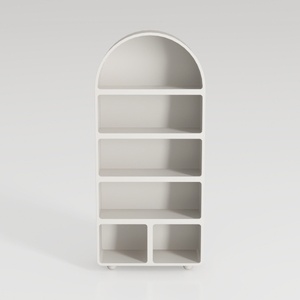
Minimalist Arched Top White Solid Wood Bookshelf 3D Model

Minimalist White Solid Wood Shutter Bi fold Closet Door 3D Model
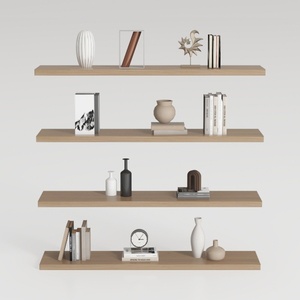
Minimalist Solid Wood Wall Mounted Floating Shelves 3D Model
Discover the creative freedom of Homestyler! This online home design platform offers an easy-to-use design tool, stunning 3D renderings, inspiring design projects, and informative video tutorials. Whether you’re a novice or an enthusiast, bring your home design visions to life effortlessly!
Design Now for FREE
































