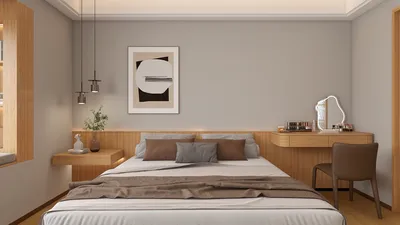


A compact reception table plays a crucial role in shaping the overall visitor experience. Whether it's in small entryways, cozy lobbies, or studio office settings, I emphasize clarity, smooth movement, and material choices that reflect brand identity while avoiding visual chaos. Utilizing tools like Homestyler can help visualize these layout dynamics effectively.
Research consistently shows the critical role of the reception area in shaping visitor perceptions and operational efficiency. According to Gensler’s Workplace Survey, the workplace experience is strongly linked to spatial quality and the initial moments of entry. Environments designed for easy navigation significantly enhance perceived effectiveness. Additionally, WELL v2 outlines that clear wayfinding and inviting check-in processes lower stress responses, with its Mind and Movement concepts highlighting the importance of cognitive clarity and unobstructed pathways for overall comfort. For desktop lighting, I maintain task illumination around 300–500 lux for reading areas and manage glare to achieve a low Unified Glare Rating.
Even in limited spaces, ergonomics are essential. Steelcase's research indicates that well-designed ergonomics—appropriate work heights, posture adaptability, and visual comfort—enhance focus and minimize friction in brief exchanges. For the reception table, I recommend counter heights of 28–30 inches for seated receptionists and 40–42 inches for standing tables, ensuring at least 24 inches of knee clearance for ADA compliance. Lighting principles from IES and WELL v2 guide the integration of ambient and task lighting layers maintaining face visibility while reducing shadows. A palette of calm neutral colors accented by a single brand tone resonates with findings from Verywell Mind, suggesting that restrained colors lessen cognitive load and assist visitors in orientation.
Design Principle: Prioritize Clarity
In small reception environments, the flow of movement takes precedence over decorative elements. I position the reception table either parallel or perpendicular to the entrance route to eliminate bottlenecks, ensuring at least 36 inches of clear passage and a 60-inch turning radius where accessibility is vital. For spaces requiring alternate setups—such as event check-ins or deliveries—an interior layout planner can assist in testing the flow; a basic room layout tool like Homestyler can simulate queuing sequences and sight lines to ensure no pinch points exist.
Proportion & Spatial Harmony
Small reception tables can dominate visually if their proportions are too heavy. I prefer a slender design with tapered legs or a cantilevered base featuring a 2-3 inch reveal to create a floating effect. The table's footprint should remain less than one-third of the clear floor area in the lobby to preserve spatial rhythm and maintain a sense of openness. When the background is minimal, I introduce vertical elements—like slatted wood, muted terrazzo, or acoustic panels—to draw attention to the counter without overwhelming the space.
Materials for Contemporary Micro-Lobbies
Selecting durable yet subtle finishes is fundamental. I opt for matte powder-coated steel bases, FSC-certified oak or ash tops, and high-pressure laminate designed for heavy use. If the reception table is exposed to direct sunlight, I utilize low-VOC finishes and UV-stable coatings to prevent discoloration. In hospitality settings, incorporating antimicrobial solid surfaces around transaction areas aids in maintaining cleanliness. For environmental responsibility, selecting verified low-emission materials and fast-renewable woods is essential; a subtle metal edge safeguards corners while keeping the design sleek.
Lighting: Enhance Comfort While Minimizing Glare
In smaller spaces, glare can become accentuated. I manage lighting by maintaining ambient brightness at 200–300 lux while elevating work surface illumination to between 300–500 lux using shielded task lights. A warm-neutral color temperature of 3000–3500K provides a welcoming yet professional atmosphere. I install recessed linear LEDs above the desk with diffusers and supplementary sconces to soften shadowing on faces. Avoid open point light sources positioned where guests stand; instead, opt for fixtures with excellent cutoff angles and low UGR ratings to ensure visual comfort in close quarters.
Understanding Color Psychology & Brand Messaging
Reception tables immediately impart an ambiance. I maintain base shades that are calming—like warm gray, gentle putty, or subdued green—and introduce one subtle brand accent, such as an inlaid line, a handle detail, or an underscore strip. Research shared by Verywell Mind emphasizes that hues of blue and green foster calmness and trust, whereas intense reds can energize but may also heighten arousal. In smaller lobbies, I strive for balanced saturation; high-chroma accents are best placed on vertical surfaces (logo panels, edge reveals) rather than on the horizontal work area.
Concealed Storage & Cable Management
Micro-lobbies require effective organization solutions. I create compact drawers for pens and name badges, a secure place for small packages, and hidden cable management integrated into the rear leg or base. A grommet with a brush insert maintains cord neatness. For setups involving scanners or tablets at check-in, the counter edge should project 1 inch to accommodate clamp mounts, and power should be designed discreetly below sightlines to uphold an aesthetic appeal for visitors.
Acoustic Comfort in Compact Spaces
Reception areas can amplify disruptive sounds. I incorporate felt-lined drawers, soft-close mechanisms, and micro-textured surfaces to mitigate noise during interactions. Adjacent to walls, I implement acoustic panels with a 0.6–0.8 NRC rating or slatted wood systems with mineral wool for added conversation privacy. A slim rug or resilient flooring just in front of the desk helps to dampen footfall sounds, thereby enhancing the overall arrival experience.
Accessibility & Consideration for Users
Ensure there is a clear approach path with a minimum width of 36 inches, a seated transaction area height ranging from 28 to 34 inches, and at least 19 inches of knee space depth minimum. If the table caters to both visitors and staff, consider designing dual heights or a split counter: one for ADA compliance and the other for a higher writing surface. Ensure that the leading edge has rounded corners with an eased profile to avoid snags. For signage, position text at heights of 48-60 inches, avoiding glossy finishes that might create glare.
Micro-Layouts: Linear, L-Shaped, and Island Configurations
Linear tables are ideal for corridors and narrow rooms, maintaining a clean passage and direct interactions. L-shaped configurations create a small utility corner for storage or printer placement without increasing the footprint. Island tables are effective in square lobbies that require access from multiple sides; ensure at least 42 inches of clearance around them for comfortable movement. For testing different layouts, an interior layout planner with rapid visualization, like Homestyler, is excellent for assessing queue lines and ADA turns; these tools can aid in adjusting proportions or desk orientation concerning sunlight and glare.
Trends for 2024–2025: Subdued Luxury & Integrated Technology
Two key trends are shaping the future of reception design: subdued luxury and integrated technology. Subdued luxury emphasizes tactile neutrals—such as micro-sanded stone, matte timber, and stitched leather accents—paired with sleek forms. Integrated technology subtly incorporates tablets, wireless charging, and NFC check-in capabilities; I ensure that power sources are hidden and specify touch points that do not disrupt the visual flow of the reception area. Edge-lit logos, warm-neutral LEDs, and streamlined cable channels contribute to a serene appearance.
Practical Layout Advice
• Position the reception table so that visitors face natural light instead of being backlit by glare; add a soft front wash if the entry is particularly bright.
• Limit the table depth to 18–24 inches in micro-lobbies; consider a slight 2–3 inch cantilever if legroom is constrained.
• Include a 6–8 inch toe kick or recessed base for a comfortable standing position and hidden wiring.
• Introduce a subtle floor indicator—such as a terrazzo band or rug—to guide the line without stanchions.
• Utilize a privacy modesty panel that extends 8 inches above the floor to keep the base visually light.
Frequently Asked Questions
For micro-lobbies, a typical width of 36–48 inches and depth of 18–24 inches usually strikes a balance between functionality and circulation. The total footprint should remain less than one-third of the lobby's clear area.
Standing counters ideally measure between 40–42 inches. For seated transactions or ADA-compliant access, provide surfaces at 28–34 inches with adequate knee room.
Setting the ambient light to 200–300 lux while task lighting increases the work surface brightness to 300–500 lux enhances visibility and comfort while minimizing glare based on IES guidelines.
Preferred materials include matte powder-coated steel frames, FSC-certified wood tops, high-pressure laminate for areas of heavy use, and antimicrobial solid surfaces near transactional spaces.
Incorporate rear-leg cable management systems, grommets with brush inserts, and recessed bases. Ensure chargers are concealed under the edge and tablet mounts attach to a 1-inch overhang.
Select calming neutral colors paired with a restrained brand accent. Blues and greens are known to evoke trust and calmness, according to studies on color psychology; keep high-chroma tones off the work surface.
Integrate soft-close mechanisms, micro-textured surfaces for work areas, NRC 0.6–0.8 rated wall panels, and carpeting or resilient flooring to minimize footfall noise.
A linear table along the entry path reduces obstructions. For broader spaces, an L-shape can create a utility area, while an island layout requires a minimum of 42 inches of clearance on all sides.
Adhere to IES recommendations, targeting fixtures with low UGR and good cutoff angles. Use diffusers and indirect lighting to avoid bright spots at eye level.
Design a secure, shallow drawer for name badges and small items, maintain clear lines of sight, and ensure that the counter edge features rounded corners to enhance safety.
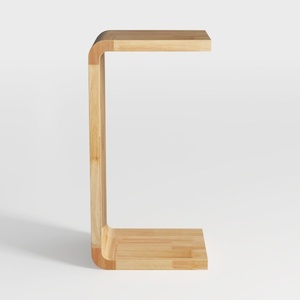
Minimalist Natural Solid Wood C Shape Side Table 3D Model

Rustic Rectangular Coffee Table, 44.8 Inch

Sofa Side Table Mini Coffee Table Corner Table Sma
Homestyler is an exceptional online home design platform that makes redesigning spaces easy and fun! With its user-friendly design tool, stunning 3D renderings, and a wealth of DIY tutorials, you can effortlessly transform your home into your dream space. Dive in and start your design journey today!
تصميم الآن مجانا
































