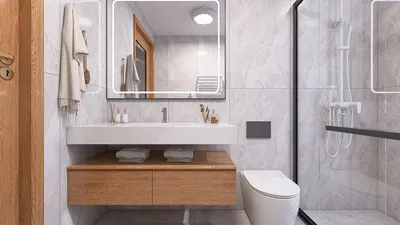


I often design compact kitchens where every bit of space matters significantly. A carefully selected small exhaust fan can transform a cramped area from feeling tight and greasy into one that feels airy and breathable. In residences where ducting options are limited, it's crucial to focus on the right fan capacity, optimal placement, and effective make-up air strategies to manage cooking byproducts efficiently without overwhelming the space.
Research consistently reveals the positive effects of proper ventilation on indoor air quality. The International WELL Building Institute emphasizes that better ventilation leads to lower levels of indoor pollutants and enhanced occupant comfort. Notably, WELL v2 highlights the importance of minimum ventilation standards and filtration systems that foster improved health outcomes. Additionally, studies by Steelcase indicate that air quality and thermal comfort are vital factors for perceived workplace well-being, which applies equally to residential kitchens where heat and odors can accumulate quickly. For a comprehensive understanding, refer to the WELL v2 guidelines.
When selecting small kitchen exhaust fans, I utilize a practical sizing range. For non-commercial cooktops in compact apartments (approximately 80–150 sq ft), I aim for a fan capacity of 100–250 CFM based on the cooking load and duct layout. Research by Gensler supports the notion that enhanced air movement and contaminant removal lead to better cognitive performance and comfort, highlighting how even minor adjustments can have significant impacts.
Optimizing CFM for Compact Kitchens
Choosing a small exhaust fan that lacks sufficient power can result in lingering odors and excessive moisture, whereas an overly powerful fan without make-up air can create pressure imbalances and backdrafts. I begin by assessing cooking intensity and kitchen size: light sautéing and electric cooktops typically perform best with 120–150 CFM, while frequent high-heat cooking methods like searing or frying may require 200–300 CFM, even in small spaces. Keep duct runs short and smooth; a 90° elbow can reduce effective performance by approximately 15–30 CFM. When ducting options are restricted, consider a recirculating hood fitted with replaceable carbon filters and an efficient grease trap, complemented by window ventilation and a ceiling fan to encourage cross-flow.
Placement and Efficiency of Capture
The efficiency of a fan's capture capability, rather than just CFM, directly influences how effectively it removes cooking byproducts. Positioning a shallow, wide canopy 24–30 inches above electric cooktops and 28–34 inches above gas cooktops enhances capture at lower air speeds. For small kitchens, I prefer wall-mounted hoods because they benefit from the lateral containment provided by adjacent walls, improving plume capture. If you're rearranging appliances or reconsidering clearances, utilizing a room layout simulation tool like Homestyler can help visualize the necessary clearance, canopy depth, and duct routing before finalizing cabinetry decisions.
Ducting: Short, Smooth, and Sealed
Effective ducting can make a small fan appear more powerful. I recommend using rigid, smooth-walled ducting instead of flexible, sealing joints with mastic, and keeping total equivalent length under 25 feet for compact setups. End with a low-resistance exterior hood and backdraft damper. If vertical routing isn't an option, a side-wall discharge at the closest point tends to be more effective than a lengthy vertical run with several bends. Ensure the external termination point is at least 3 feet away from operable windows and compliant with local regulations.
Noise Management and Sones
In small apartments, noise can lead to fatigue and discourage the use of ventilation. Strive for ≤3.0 sones at typical operational speeds. Utilizing remote inline fans with canopies can significantly reduce kitchen noise by relocating the motor to the attic or an exterior line. It's essential to balance noise levels with performance; many modern fans can achieve approximately 150–200 CFM while maintaining 1.5–2.5 sones, which is suitable for smaller areas.
Make-Up Air and Pressure Considerations
Even low exhaust levels can create a negative pressure effect in tightly sealed buildings. I assess building infiltration and consider installing a passive make-up air grille near the cooking area for fans exceeding ~200 CFM. It's critical to coordinate with HVAC systems to ensure the kitchen does not draw air from bedrooms or cause backdrafts in combustion appliances. In multi-family dwellings, verify regulations about penetrations and ensure any new intake is properly filtered to minimize particulates.
Managing Grease, Moisture, and Material Durability
In small kitchens, surfaces can wear down more quickly. It’s advisable to choose hoods equipped with baffle filters for ease of cleaning and effective grease capture. Employ moisture-resistant materials around the cooking zone, such as high-pressure laminates, semi-gloss paints with scrubbable ratings, and stainless steel backsplashes that minimize glare. Regular maintenance of filters—monthly for frequent cooking and quarterly for lighter use—is crucial.
Lighting, Color, and Comfort
Ventilation effectiveness can be enhanced by incorporating good lighting and color techniques. Utilizing warm-neutral task lighting at 3000–3500K reduces glare while maintaining accurate food color perception. Minimizing the contrast in luminescence between the cooktop and surrounding surfaces helps lessen visual strain, leading to fewer cooking errors. Soft, mid-tone wall colors absorb visual distractions, and a matte backsplash reduces reflections from stainless appliances.
Controls, Smart Features, and User Behavior
Integrating auto-on capabilities based on cooking activity encourages regular use. I recommend setting a post-cook timer between 10–15 minutes to eliminate residual moisture. For recirculating systems, including a notification for changing carbon filters (typically every 3–6 months) can be beneficial. If a household engages in extensive cooking, employing VOC and PM2.5 sensors can promote healthier habits; simple reminders can significantly enhance compliance and indoor air quality.
Layout Strategies for Tiny Kitchens
In galley-style kitchens, center the range hood over the cooking area and make sure the ducting lines up with existing chases. In corner layouts, ensure that the canopy overhang covers the front burners, where airflow is most concentrated. Consider swapping tall cabinets for shorter ones beside the hood to improve lateral capture. Use Homestyler’s interior layout planner to evaluate canopy projections, aisle widths, and landing spaces before making decisions.
Energy Efficiency and Sustainability
Opt for Energy Star-rated appliances whenever possible, and pair lower-CFM fans with efficient capture to prevent over-ventilation. Well-sealed ducts help minimize energy waste. Whenever feasible, integrate recyclable stainless steel components and low-VOC paints around the cooking area.
Maintenance for Longevity
To keep the fan functioning optimally, establish an easy-to-follow maintenance routine: clean baffle filters each month, inspect backdraft dampers seasonally, and evaluate duct seals once a year. Replace carbon filters on schedule. A small exhaust fan that receives proper maintenance and is installed with effective ducting will outperform neglected units that are more powerful.
Frequently Asked Questions
For compact kitchens (about 80–150 sq ft) with light to moderate cooking, a range of 120–200 CFM generally suffices. Heavy frying or high-temperature cooking would benefit from 200–300 CFM, provided the ducting is efficient.
Indeed, when exterior venting is not an option. Select a model equipped with high-quality carbon filters and effective grease capture, and augment with window ventilation and a brief post-cook runtime.
Install the hood 24–30 inches above electric cooktops and 28–34 inches above gas cooktops to balance performance and visibility.
Aim for ≤3.0 sones at normal speed, use rigid ducting, and contemplate a remote inline fan to relocate the motor away from the cooking zone.
For exhaust fans exceeding ~200 CFM in tightly built environments, introducing passive make-up air or coordinating with HVAC systems is crucial to avoid pressure issues and backdrafts.
Baffle filters are resilient and dishwasher safe. Carbon filters in recirculating hoods require changing every 3–6 months, depending on the cooking frequency.
Wall-mounted hoods can outperform island models in terms of capture efficiency due to improved lateral influence. If opting for an island hood, maximize its canopy size and keep its height compliant with regulations.
A duration of 10–15 minutes can effectively eliminate residual moisture and odors following activities like boiling or frying.
Indirectly, as effective task lighting (3000–3500K) enhances visibility and minimizes errors, encouraging proper use of the hood and safer cooking practices.
Rigid, smooth-walled metal ducting offers lower resistance and is easier to clean compared to flexible alternatives.


If you're looking to transform your space with ease, Homestyler is your go-to online home design platform. Its user-friendly design tool allows you to create stunning layouts, while the extensive 3D renderings and DIY video tutorials inspire creativity and help bring your ideas to life. Start designing today!
Progetta ora GRATIS
































