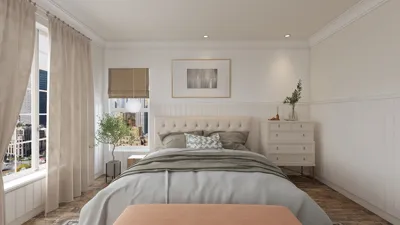


In a past project, I once made the mistake of installing a large pendant light in a vaulted kitchen without double-checking the beam’s measurements — it swayed like a ship's lantern and incited quite a few laughs, almost costing me my job! This little mishap enlightened me on the dual nature of vaulted ceilings — they offer both grandeur and forgiveness, and with proper planning, you can transform that verticality into an eye-catching feature. If you’re interested in maximizing that vertical space without turning your kitchen into a cathedral, I’m here to share five tried-and-true methods that have consistently benefitted my projects; plus, I’ll showcase a charming vaulted kitchen rendering for inspiration.
1. Incorporate layered lighting to draw down illumination
I enjoy mixing recessed lighting along the slopes, a striking pendant above the island, and under-cabinet lights to keep the countertops functional. This combination not only creates a cinematic effect but is also practical — high ceilings can increase glare, which layered lighting effectively mitigates. While the wiring can be intricate, hiring a skilled electrician and using dimmers can significantly enhance the overall ambiance, providing both dramatic flair and essential task lighting exactly where it’s needed.
save pin
2. Frame your space's height with tall cabinetry and open shelving
Installing tall cabinets that stop a foot or two below the ceiling creates a pleasing visual line and allows the upper slope to breathe; incorporating open shelving above showcases vibrant colors or wood grains to warm up that expansive area. I once persuaded a skeptical client to extend glass-front cabinets to the ceiling, which made the room feel more spacious and thoughtfully designed. The only downside is that high shelves can gather dust, so it’s best to keep frequently accessed items lower and reserve the top for decorative pieces or seasonal items.
save pin
3. Use a spacious island to anchor the layout
A large island can visually anchor the room, giving the vaulted ceiling a sense of purpose rather than making the space feel overly expansive. I often design islands to include both seating and storage, making them the central hub for cooking and activities, which balances the vertical height above. In terms of budget, while islands can be an added expense, opting for modular cabinetry and more economical countertop materials can keep costs manageable while maximizing visual impact.
save pin
4. Add character with exposed beams or wooden accents
Incorporating exposed beams or tongue-and-groove wood enhances texture and scale; I’ve seen instances where whitewashed beams soften the environment, while dark beams provide a rustic contrast. In a compact urban kitchen I redesigned, we used faux beams to achieve that aesthetic without extensive structural changes — the clients were thrilled with the added character. Do keep in mind, however, that moisture and heat can be factors in kitchen areas, so select finishes that can withstand cooking conditions.
save pin
5. Enhance sightlines with clerestory windows and glazing
Clerestory windows are great for allowing ample natural light in without compromising privacy, and when paired with lower glazing, the entire kitchen feels well-connected to the outdoor environment. For a coastal remodel I planned, the addition of clerestory openings dramatically altered the room's functionality throughout the day. The challenge lies in proper positioning for both privacy and sun control, so integrating shades or fritting can manage glare and overheating effectively; if you're looking for layout inspiration, take a look at some captivating kitchen designs.
save pin
Tips:
Budget consideration: Focus first on lighting and the island — these two elements influence how you experience the space more significantly than high-end finishes. If you’re managing a tighter budget, consider creating the illusion of depth with paint and strategic lighting choices instead of major structural alterations. Additionally, if you wish to explore design options quickly, using an AI home design tool like Homestyler can facilitate decision-making and showcase multiple configurations in just a day.
save pin
FAQ
Q: Are vaulted ceilings beneficial in smaller kitchens?
A: Indeed — they can give the illusion of more space when proportions are properly managed, and keeping cabinetry and counters streamlined helps. Incorporating horizontal elements and a substantial island can prevent a top-heavy appearance.
Q: What type of lighting is most effective for a vaulted kitchen?
A: Layered lighting works best! Consider recessed or track lights on the slope, a standout pendant above the island, and under-cabinet task lighting. Dimmers are crucial for adjusting mood and functionality.
Q: Will I need to undertake structural changes to add beams or achieve a vaulted look?
A: Not necessarily — faux beams or decorative millwork can effectively create the appearance without major renovations. For substantial structural adjustments, it's wise to consult a licensed structural engineer to evaluate load and cost implications.
Q: How can I manage heat in a vaulted kitchen?
A: Effective ventilation, insulated glazing for clerestory windows, and ceiling fans or high-level vents can help maintain a comfortable temperature. Furthermore, choosing reflective or lighter finishes on the vault may minimize heat absorption.
Q: What paint colors are ideal for vaulted ceilings?
A: Light neutrals and warm whites can keep the space feeling airy, while a darker color band along the peak can create an intentional and cozy effect. I often recommend testing paint samples in various daylight to avoid unexpected results.
Q: What is the typical cost of a vaulted ceiling remodel?
A: Costs can range significantly — minor cosmetic improvements might only be a few thousand dollars, while structural changes can be much more. It's prudent to obtain several quotes from contractors and to prioritize enhancements that improve functionality.
Q: Can vaulted kitchens be energy-efficient?
A: Absolutely — with proper insulation, energy-efficient windows, and HVAC zoning, you can effectively manage heat loss or gain. Design techniques like strategic clerestory placement and shading can reduce dependence on mechanical systems.
Q: Where can I access reliable design resources for kitchen renovations?
A: The National Kitchen & Bath Association (NKBA) provides widely regarded guidelines and standards; explore their resources at https://www.nkba.org for valuable measurement and layout recommendations.
save pin
Homestyler is your go-to platform for effortless home design. With its user-friendly online design tool, stunning 3D renderings, and a wealth of design projects and DIY video tutorials, transforming your space has never been easier. Unleash your creativity today!
立即免费设计
































