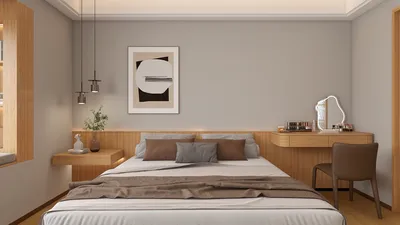


Over the last ten years, I have reimagined numerous compact massage rooms, discovering that the most effective environments share a crucial insight: small spaces need not feel limiting. When approached thoughtfully, even a small footprint can foster an atmosphere of exceptional tranquility and client satisfaction by carefully managing factors such as proportions, lighting, materials, and ergonomics. Utilizing design tools like Homestyler can help visualize these elements effectively.
Emphasizing Human-Centered Comfort through Lighting and Acoustics
The importance of appropriate lighting and sound management cannot be overstated in small spaces. The Illuminating Engineering Society advises maintaining ambient light levels of around 100-300 lux in low-activity wellness environments, coupled with warmer color temperatures ranging from 2700 to 3000K to alleviate visual strain. WELL v2 also underscores the necessity of glare control and well-balanced lighting as essential components of well-being. In my designs, I prefer using warm, dimmable ambient light combined with targeted task lighting ranging from 3000 to 3500K near the massage table, alongside accent lighting that creates visual rhythm while ensuring safety and preserving a serene mood.
Acoustic management is vital since smaller spaces often amplify noise levels. Research from Steelcase indicates that unwanted noises and overheard conversations can significantly disrupt comfort in work settings, including spa environments. A strategic approach that includes soft materials, door sweeps, acoustic panels, and white noise can effectively minimize sound reverberation and enhance privacy.
The psychology of color should not be overlooked. According to Verywell Mind, various shades of blue and green are commonly linked with feelings of relaxation and renewal. In compact rooms, softer shades like moss, muted teal, or a gentle smoke blue can serve as soothing focal points without making the space feel cramped.
Optimizing Spatial Ratios and Flow: The Foundation of Design
For a massage table, it’s essential to allow at least 30-36 inches of clear space around it to facilitate movement for the therapist. I typically aim for 36 inches on the working side and 30 inches on the opposite side to ensure functionality while keeping the layout compact. Additionally, storage solutions and handwashing stations should be positioned outside these critical circulation zones. If you're experimenting with different configurations, a room layout tool like Homestyler can assist in quickly visualizing table clearance and client movement paths.
Ceiling heights also play a significant role; shelves positioned above 54 inches can feel stifling in spaces with low ceilings. It’s preferable to keep most storage elements between 18-48 inches high, maintaining an optimal ratio of 1:1.6 between the massage table and secondary storage to avoid a visually top-heavy design. In narrower rooms, rotating the table by 90 degrees to align with the longer wall often enhances both movement flow and sightlines.
Creating Lighting Layers and Managing Glare
I incorporate lighting in three distinct layers: ambient (soft and indirect), task (focused and glare-free), and accent (for depth and tranquility). The base is created with indirect cove lighting or lens-diffused sconces, while task lighting is deliberately positioned to be off-axis from the client's sightline to avoid causing discomfort when lying down. Maintaining consistent color temperature within a 300K range helps prevent visual fatigue, and dimmable options from 10%-100% allow for adjustments to fit various treatment needs.
For spaces with lower ceilings, semi-recessed fixtures with matte finishes effectively reduce glare. Fabric shades or micro-perforated diffusers work well in tight rooms where fixtures are close to eye level. A simple guideline: if a bright LED light source is visible from eye level while lying down, it’s advisable to either reposition it or reduce its brightness.
Selecting Colors and Materials for Tiny Spaces
Opting for light-reflective yet warm finishes can enhance perception without appearing overly sterile. I generally aim for Light Reflectance Values (LRV) of around 60-70 for walls, 25-40 for flooring, and I prefer deeper tones for a designated accent wall. Natural materials like linen, oak, cork, and limewash contribute to muffling echoes while adding a tactile element of calm. High-gloss paints should be avoided; instead, I choose low-sheen and mineral textures that softly scatter light.
For sustainability, focus on durable, low-VOC finishes and easily washable textiles. Resources like Material Bank and Material ConneXion provide reliable samples; when budgets are limited, prioritize the surfaces that clients interact with most: table upholstery, blankets, door hardware, and towel storage.
Focusing on Ergonomics: Enhancing Practitioner Efficiency in Compact Spaces
The height of work surfaces is crucial for a practitioner’s endurance. While standard tables range from 24-34 inches and are adjustable, the ideal height varies based on the practitioner’s stature and the treatment modality used. Essential oils and tools should be positioned within 15-20 inches of the dominant hand, preferably stored in shallow pull-out drawers. Ensure that pathways for movement remain clear, with at least 30 inches of space on the working side. For deep tissue therapy, it’s vital that the table is aligned with the most unobstructed path to mitigate the need for excessive adjustments and reduce shoulder strain.
I aim to create a clutter-free zone near the head of the table where clients can place their phones, jewelry, and eyewear, utilizing soft tray liners to minimize noise. A design that limits the need for extensive reach enhances the overall calmness of the experience.
Innovative Storage Solutions: Efficient, Discreet, and Quiet
Effective storage is essential in small massage rooms. Opt for shallow, soft-close drawers to avoid issues with door swings. Vertical storage niches with fabric-fronted panels can lessen visual clutter and improve acoustic quality. Ensure hot towel cabinets are ventilated and out of sight from the client’s view; thermal equipment should not dominate the visual focus. Organize towels and sheets according to the session flow: keep intake items near the door, mid-session items close to the working side, and post-session items toward the exit.
Labeling storage can be done subtly with tone-on-tone embroidery or braille tags inside drawer fronts to maintain accessibility without adding visual noise.
Designing for Calm Transitions: Behavioral and Ritual Aspects
Small environments benefit greatly from deliberate choreography. I construct a three-part pathway: an arrival pause, a treatment focus, and a closing ritual. The entryway should feature a seating area or bench with a soft backrest, complemented by a minimal coat hook and a concealed shoe tray. Diffused lighting in this area signals the transition from external noise to internal serenity.
During the treatment, it's essential to limit visual distractions, allowing no more than three items within the client's line of sight. A single artwork in subdued colors can effectively anchor attention. At the conclusion of the session, gradually increasing the lights and introducing gentle, non-allergenic scent cues can help clients reorient comfortably without abruptness, resulting in an experience that feels intentional rather than staged.
Enhancing Acoustic Comfort: Managing Reverberation and Privacy
For compact rooms, aim for a reverberation time (RT60) between 0.3-0.5 seconds; exceeding 0.6 seconds can create a space that feels overly lively and exhausting. Utilize a combination of sound-absorbing ceilings, soft drapes, and upholstered acoustic panels, strategically placing them at initial reflection points—across from doorways and in hard corner areas. Introducing a low-level sound source (like a gentle fan or water feature) outside the room can help obscure corridor conversations.
Door assemblies are significant: solid-core doors with perimeter seals and automatic sweeps dramatically enhance sound privacy. If retrofitting presents difficulties, hanging a heavy curtain behind the door can catch sound spill and serve as an additional acoustic buffer.
Prioritizing Wayfinding, Safety, and Code Compliance
Even small rooms require unobstructed access and exit routes. Ensure that doorways maintain at least 32 inches of clearance; lever handles are more accommodating for clients with limited dexterity. Place emergency call buttons within easy reach of the treatment table or seating area. For equipment like hot stones or electrical devices, having effective cable management and non-slip mats near the stands is vital to avert tripping hazards.
Effective ventilation is essential for comfort and scent management. Avoid direct air supply vents positioned over the table to prevent drafts; instead, opt for side-diffused supplies and low-return air placements that allow airflow without creating chills.
Effective Layout Strategies that Always Yield Results
In an 8x10 narrow room, orient the table to run along the longer wall, place storage on the short wall adjacent to the door, and create a soft focal area on the opposite side from the entrance. If mirrors are included, they should be kept small or backlit to avoid excessive glare. If space allows, a floating shelf positioned near the head of the table can create a functional ritual space.
When considering designs or presenting ideas to stakeholders, a layout planner like the Homestyler room design visualization tool can facilitate the simulation of circulation patterns, clearances, and lighting arrangements before actual implementation, especially beneficial for micro-suites with similar dimensions.
Finishing Touches in Real-World Applications
For my designs, I rely on subtle details: a slightly darker hue on the floor that grounds the experience, a soft rug beneath the practitioner’s main stance to alleviate foot fatigue, and a singular dimmable light above the art piece for gentle depth. Maintaining a neutral and low-scent palette allows texture to influence the atmosphere. Ultimately, simplicity and restraint are key—small spaces flourish when designed with care and consideration.
Further Reading and Resources
For those interested in diving deeper into lighting and wellness standards, visit ies.org/standards for illumination guidelines, and wellcertified.com for insights into WELL v2. To explore behavioral design in compact spaces, Steelcase Research offers robust findings on comfort and distraction, while for fundamental knowledge on color psychology, Verywell Mind provides easily digestible summaries on soothing hues.
Frequently Asked Questions
Maintain ambient lighting at around 100-300 lux with warmer color temperatures between 2700-3000K. Incorporate dimmable control and indirect sources to minimize glare.
Aim for a clearance of 36 inches on the primary working side and 30 inches on the opposite side. Protect these areas from storage encroaching.
Implement a comprehensive approach: utilize solid-core doors with sweeps, soft materials, acoustic panels at strategic points, along with a gentle background sound source outside the room.
Muted blues and greens promote relaxation and recovery. Keep saturation levels low and use deeper shades for a singular accent wall.
Use low-VOC materials, washable textiles, and durable natural substances such as oak, linen, and cork. Opt for low-gloss paints that do not amplify glare.
Establish layered lighting with ambient indirect light for base illumination, task lighting for focused work, and subtle accent lighting for spatial depth. Keep a consistent color temperature throughout.
Focus on shallow, soft-close storage solutions near the working area, vertical niches with fabric fronts, and organize items according to flow during sessions.
Set the height of the table based on the treatment method, keep tools within a 15-20 inch reach, and ensure footpaths remain unobstructed with at least 30-36 inches of clearance for movement.
Align the table along the long axis, place storage against the short wall near the entrance, and create a soft focal area across from the entry point.
Utilize a room layout tool to visualize and test circulation, clearances, and lighting options, optimizing the design prior to construction.
Homestyler is your go-to online platform for effortlessly designing your dream home. Utilize its user-friendly design tool to create stunning interiors, explore an extensive collection of 3D renderings, and enhance your skills with engaging DIY video tutorials. Start your design journey today!
立即免费设计
































