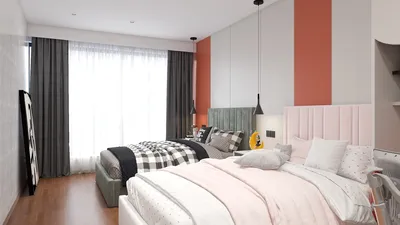


Over the last ten years, I have orchestrated, arranged, and reimagined numerous event spaces, and the Gauhar Gulshan Function Hall is exceptional due to its simple design, spaciousness, and adaptability to light, sound, and materials. To maximize the potential of this venue—for weddings, corporate events, or community gatherings—I present a practical guide based on my experience in human-centered design and event coordination, along with Homestyler for seamless planning.
The success of events relies significantly on aspects like layout, acoustics, and lighting, rather than merely decoration. Steelcase research underscores that clear spatial organization aids navigation and diminishes mental strain, allowing attendees to settle in swiftly and engage more meaningfully. Furthermore, WELL v2 guidelines correlate proper lighting and glare reduction to better visual comfort and reduced fatigue, laying the groundwork for longer and more enjoyable events. Hence, these core principles—spatial clarity and lighting quality—are essential for a successful experience at Gauhar Gulshan.
Planning for capacity should be based on data rather than assumptions. Insights from the International WELL Building Institute indicate that optimal ambient lighting (300–500 lux for typical activities) combined with focused lighting can enhance focus. Additionally, research by Herman Miller points out that the ergonomics of seating and movement paths significantly influence the duration for which guests stay engaged comfortably. I have translated these findings into targeted strategies for layout and lighting, appropriate for the hall's dimensions and functional areas, utilizing platforms like Homestyler for precise planning.
Venue Overview and Spatial Potential
The Gauhar Gulshan Function Hall features a rectangular main floor with a slightly raised stage area, a pre-function foyer, and service zones. The dimensions are perfect for unobstructed views and adaptable seating arrangements. I usually designate 40–45% of the space for guest seating, 15% for the stage and audiovisual equipment, 20% for circulation, with the remainder allocated to catering and service functions. This distribution facilitates clear pathways while optimizing capacity and comfort.
Capacity Scenarios and Seating Types
For banquet-oriented events using 60–72-inch round tables, anticipate needing 10–12 square feet per guest, including space for aisles and service access. Theatre-style arrangements can reduce this to 7–9 square feet per person, provided that exit paths remain clear. Classroom configurations typically require 12–15 square feet per attendee to account for tables and note-taking. These metrics are aligned with general planning conventions and reflect the ergonomic principles highlighted in Herman Miller's studies on seating density and movement.
If your event includes distinct segments such as ceremonies, dinners, dances, and presentations, consider a multifunctional layout: position the stage at one of the short ends of the rectangular space, maintaining two main aisles, while designating a flexible area in the back for swift transitions. Employing a smart room layout tool like Homestyler aids in simulating guest movement and service routes.
room layout tool
Lighting Design for Comfort and Impact
General ambient lighting should aim for 300–500 lux across the seating areas, following IES recommendations for multipurpose venues. For dinners and receptions, use warmer light temperatures (2700–3000K) to enhance guest features and set a cozy atmosphere, while cooler temperatures (3500–4000K) are better suited for conferences, promoting alertness without a sterile feel. Implement a layered lighting strategy: ambient (uniform illumination), accent (for stages and focal tables), and decorative lighting (like pendants or uplights) to create depth. Reduce glare by shielding downlights and avoiding direct visibility of bare bulbs, especially over the stage.
For stage lighting, target 700–1000 lux with smooth gradients to eliminate hot spots. Dimming capabilities are crucial, as WELL v2 emphasizes adjustability to enhance comfort and cater to various activities. If utilizing LED uplights for backdrops, ensure color saturation balances to maintain natural appearances for skin tones in photos, as strong reds can oversaturate while mixed pastels often photograph well.
Acoustics and Sound Management
Reverberation times (RT60) in venues with hard surfaces can lead to muddled speech and music. I aim for an RT60 range of 0.8–1.2 seconds for audio-focused events. Temporary acoustic enhancements, such as fabric draping on side walls, carpet runners in main aisles, and soft seating arrangements in the foyer, can mitigate this issue. Speaker placement should be evenly distributed across the audience width to avoid excessive low frequency amplification at corners. For diverse programming—like speeches followed by live music—employ separate equalization settings and check clarity at distances of 30–40 feet from the stage, where audience density is typically highest.
Color Psychology and Atmosphere
Color influences emotional engagement significantly. Research summarized by Verywell Mind indicates that warm colors (like amber and soft gold) foster feelings of comfort and sociability, while cooler shades (such as teal and slate) encourage concentration and clarity. For wedding receptions, a warm-neutral foundation with subtle accent colors—like blush, sage, or champagne—yields flattering photography and compliments a variety of skin tones. In corporate settings, opt for cooler accents on signage and stage backdrops to reinforce clarity while preserving the overall warmth of the venue.
Human Factors: Circulation, Comfort, and Accessibility
Clear movement paths lessens stress and prevents crowding. Maintain aisles of at least 48 inches for banquet service, expanding to 60 inches near stage entry points and doors. Ensure wheelchair turning spaces (60-inch diameter) are available near seating areas and comply with local regulations regarding ramp gradients. Designate a specific service corridor for catering to prevent crossing paths with guests. Ergonomically, vary chair designs—some with arms and some arm-less—to accommodate diverse body types and comfort varying needs, reinforcing research that suggests inclusive seating enhances guest satisfaction and duration of stay.
Materiality and Sustainability
Temporary decor can also be eco-friendly. Opt for reusable linens, modular stages built with FSC-certified plywood, and high-efficacy LED lighting. Material libraries such as Material ConneXion provide valuable insights into low-VOC finishes and circular products that minimize setup odors and enhance perceived air quality. Where feasible, introduce plants at the entrance and corners to soften acoustic properties and create a biophilic element without obstructing views.
Catering and Service Workflow
Position plating stations away from primary guest pathways, ideally within 20–30 feet of main seating areas for expedient service but distanced from the stage to prevent sound interference. Implement staggered service in sections to alleviate aisle congestion. For buffet arrangements, create U-shaped service lines with clear start and finish points, allowing 6–8 feet of space around chafing dishes to reduce crowding and heat confusion.
Stagecraft and AV Planning
For speeches and presentations, a stage depth of 10–12 feet is recommended for comfortable movement. Consider sightline geometry: the front row should be positioned at a distance at least 1.5 times the stage height to minimize neck strain, and the last row should remain at an angle of over 10 degrees to ensure visibility. Employ dual display screens for extensive room coverage; place them at 1.6–2.0 times the diagonal distance from the closest row. Confirm that the lighting color temperature matches the camera’s white balancing to avoid flicker or color distortion.
Weddings, Corporate, and Community Events: Tailored Setups
For weddings: prioritize intimacy with 2700–3000K lighting and round tables, leaving a spacious dance floor either centrally located or to the sides based on the DJ’s setup. For corporate events: utilize theatre or classroom formations with 3500–4000K lighting, dual screens, and clear aisles for seamless transitions. Community events: blend seating styles—utilizing both banquet tables and lounge clusters—to cater to a range of ages and activities, with wayfinding signage positioned at eye level and consistent typographic styles to ensure readability.
On-the-Day Checklist
• Pre-program lighting scenes (ambient, presentation, dinner, dance)
• Conduct AV sound checks in three audience zones (front, middle, back)
• Ensure aisles and exits are unobstructed; signage placed at key decision points
• Confirm catering routes are clear; stage spill kits discreetly positioned
• Review emergency plans with staff and vendors
• Validate accessibility points (ramps, seating, restroom pathways)
Trusted Research and Standards
To underpin my decisions with credible evidence, I reference guidelines from WELL v2 regarding lighting and comfort, insights from Steelcase on spatial behavior, and ergonomic studies from Herman Miller. They consistently highlight that aspects such as clarity, comfort, and control—rather than purely visual appeal—are what truly make events memorable, affirming the importance of utilizing tools like Homestyler for optimal layout planning.
FAQ
Q1: What lighting levels work best for mixed programs?
A1: Target ambient levels of 300–500 lux with dimmable settings. Increase to 700–1000 lux for stage activities, and warm it down to 2700–3000K for dinner and social sessions.
Q2: How do I decide between round and rectangular tables?
A2: Round tables encourage conversation and are ideal for weddings; rectangular tables maximize capacity and better suit corporate events. For prompt service and clear paths, rectangles enable tighter configurations.
Q3: Any quick acoustics improvements without renovation?
A3: Incorporate fabric drapes, carpet runners, soft seating in the foyer, and evenly distribute speakers. Keep subwoofers away from corners to avoid excessive bass resonance.
Q4: What should be the recommended aisle widths?
A4: Maintain a minimum of 48 inches for service aisles and increase to 60 inches at high-traffic points. Ensure clear wheelchair turning areas.
Q5: How can I visually enlarge the stage without expanding it?
A5: Use side lighting and flanking decor to enhance visual width, keep backdrops uncluttered, and utilize low platforms for speaker movement.
Q6: Ideal color temperatures for photography?
A6: Aim for warm ambient lighting at 2700–3000K with balanced accent lighting. Avoid saturated reds in close proximity to faces; soft pastel uplighting enhances natural skin tones.
Q7: How can I minimize crowding at buffets?
A7: Set up U-shaped serving lines with clear start and endpoints, allowing for 6–8 feet of clearance around food stations, and stagger service by table groups.
Q8: What is a reliable space allocation ratio?
A8: A good starting point is allocating 40–45% for seating, 15% for the stage and AV, 20% for circulation, with the remainder for catering and service requirements. Adjust as necessary according to the specifics of the event.
Q9: Can I effectively integrate bilingual signage?
A9: Absolutely—maintain a consistent hierarchy, utilize icons, and ensure high-contrast typography positioned at eye level for effective navigation.
Q10: What should I consider for emergency egress planning?
A10: Ensure that exits are clearly visible, maintain clear aisles leading to doors, display appropriate signage, and brief staff on egress routes and responsibilities prior to event commencement.
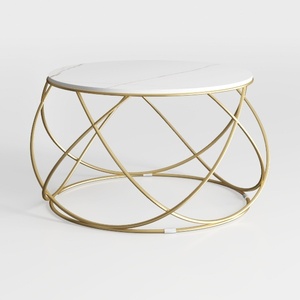
LITTLE TREE Modern White Dining Table for 4, 47-In
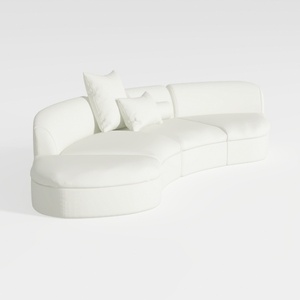
Minimalist White Fabric Curved Sectional Sofa 3D Model

Minimalist Textured Base Glass Top Coffee Table 3D Model
Transform your home with Homestyler, an intuitive online design platform that empowers you to create stunning spaces. Explore its rich library of 3D renderings, delve into inspiring design projects, and learn through DIY video tutorials. It's the ideal tool for anyone looking to elevate their interior design game!
Desain sekarang Gratis
































