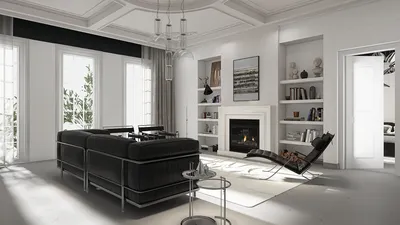


Compact living spaces can enhance style rather than restrict it. In my design approach, the most harmonious small homes blend meticulous planning with layered comfort, including efficient circulation, appropriately sized furnishings, well-managed lighting, and soothing color palettes. This combination minimizes visual clutter while maximizing functionality. According to a Gensler Workplace Survey, well-designed environments can increase individual productivity by up to 20%, a concept that smoothly transitions into the design of residential micro-zones and multifunctional areas. The WELL v2 Lighting concept reinforces the importance of adequate lighting and glare control, emphasizing that lighting strategies should be prioritized from the outset of any small-space design.
Ergonomics play a key role in small space design. Research by Herman Miller indicates that adjustable seating and support systems can greatly alleviate strain, which is essential when different activities like dining, working, and relaxing take place in the same area. The impact of color psychology is also significant: studies from Verywell Mind highlight that blue shades promote calmness and concentration, while green hues evoke a sense of balance—these are reliable foundational colors when working within limited square footage where overstimulation could occur.
Establishing a Clear Spatial Hierarchy
Begin with purpose. Identify up to three main functions—living, working, and dining—then arrange their placements to avoid overlap. I design circulation paths ranging from 900 to 4500 mm depending on the layout, ensuring that sightlines remain clear towards the brightest wall. When creating arrangements or assessing furniture sizes, utilizing a room layout tool can help simulate movement and door operations, preventing hasty purchases.
Scale, Proportion, and Multifunctional Furniture
Choosing appropriate sizes is more effective than downsizing furniture. A sofa measuring 160 to 180 cm paired with a 90 to 100 cm nesting coffee table allows for comfortable reach without impeding movement. Consider a lift-top coffee table that serves as a workspace, and choose storage benches that feature concealed compartments. Ensure a passage space of 600 to 900 mm around significant pieces; if it gets too tight, the area may feel cramped. Visual harmony is achieved when taller storage units are centralized along one wall instead of being distributed throughout, creating a more serene atmosphere.
Layered Lighting That Recognizes Human Needs
In smaller homes, relying on a single overhead light can result in areas of darkness. Instead, create a balanced lighting scheme using ambient (2700–3000K for warmth), task (3000–3500K for focused areas), and accent lighting. The IES recommends adequate light levels and glare management; I often incorporate diffusers and indirect lights to prevent harsh contrast that could lead to eye fatigue. Dimmers are essential—set daytime lighting for productivity and softer tones for evening relaxation. Moreover, ensure light fixtures are positioned away from direct sightlines to minimize reflections on shiny surfaces.
Utilizing Color Psychology for Visual Calmness
Color can effectively delineate spaces. Shades of blue and blue-green foster tranquility in work areas, while inviting neutrals in living spaces enhance warmth. Limit bold color accents to about 10-15% of the entire palette through decorative items or a single standout chair. Opt for matte finishes to decrease excessive highlights and visual agitation; in common areas with higher foot traffic, satin paints provide a good balance between longevity and reducing glare.
Achieving Acoustic Comfort with Minimal Bulk
Hard surfaces can reflect sound and amplify noise. To mitigate this, I introduce bookcases, upholstered panels, and textured rugs. A combination of small interventions—a soft rug, padded seating, and a plush blind—can effectively absorb sound without demanding too much floor space. If a narrow corridor connects living and sleeping areas, consider installing a soft-close door and draft stopper, as these features markedly enhance serenity and privacy during rest periods.
Selecting Sustainable Materials for Small Spaces
In compact homes, material selection becomes all the more significant due to proximity. I prefer low-VOC paints, FSC-certified woods, and textiles that are durable and easy to maintain. For entryways, choose porcelain or engineered stone flooring that has a minimum R10 slip resistance. Additionally, keeping a cohesive species or tone for cabinetry can prevent visual disarray and create an illusion of expanded space.
Micro-Zoning: Utilizing Hallways, Nooks, and Thresholds
Transform transitional areas into functional spaces. A wall-mounted console that is 300 mm deep can provide a place for keys and letters without disrupting the flow. Peg rails at heights of 1500 to 1700 mm keep coats and bags organized. If a window alcove exists, a 350 to 400 mm deep bench combined with storage below can create a cozy reading nook. Employ tools like an interior layout planner to check clearances and ensure comfort.
Storage That Integrates with Architecture
Design storage to appear as part of the architectural framework. Full-height wardrobes with seamless doors and integrated handles are less visually intrusive than open shelving. In compact kitchens, a pull-out pantry measuring 450 mm can neatly store spices and dry goods vertically. Utilize the often-overlooked area above doors—ranging from 300 to 450 mm—for transom storage, effectively managing seasonal clutter.
Planning Circulation, Sightlines, and Visual Rhythm
Begin with sketching movement pathways. Align seating along the main axis and keep tall features away from primary sightlines towards windows, ensuring visual continuity. Alternating solid and void elements (like casework and open shelving) creates rhythm without overwhelming the space. Mirrors can enhance natural light but should not reflect cluttered areas or busy storage, as this can increase visual distractions.
Creating a Home Office Without Disruption
A narrow desk measuring 100 to 120 cm positioned behind a sofa or next to a window offers function without dominating the space. Pair it with an ergonomic chair—a design supported by Herman Miller’s research on posture variability. Use a task lamp emitting 3000 to 3500K light placed below eye level, and orient screens perpendicular to windows to diminish glare.
Kitchen and Dining Solutions in Limited Spaces
Opt for an L-shaped kitchen or a single-wall layout to maintain movement flow. Keep at least 1200 mm between counter runs for convenience, while 1000 mm can be efficient in tighter quarters. A drop-leaf table can transition from everyday dining to hosting guests. In open concepts, a 900 to 1000 mm island with seating doubles as a preparation and workspace.
Designing a Bedroom and Bath: Need for Peacefulness
Select a bed with built-in drawers and keep bedside tables narrow (250–300 mm). Installing blackout shades and using warm ambient lighting helps maintain melatonin levels for better sleep quality. In compact bathrooms, wall-mounted vanities and pocket doors create additional floor space; large tiles with minimal grout joints visually enlarge the area.
Organizing Without Overcrowding
Keep decorative items limited: three objects grouped on a console appear curated, while twelve can feel chaotic. Introduce vertical elements—a tall vase or lamp—to bring lift and reduce clutter on surfaces. Indoor plants not only enhance the aesthetic but also soften noise; select upright varieties like sansevieria or ficus to save on floor area.
Effective Use of Digital Tools
Before finalizing decisions on built-ins, explore options digitally. An interior design visualization tool, like Homestyler, allows you to check clearances, daylight exposure, and furniture proportions, helping to avoid expensive design mistakes. I typically iterate through three different layouts before selecting the one that offers the clearest pathways and least visual distraction.
Common Inquiries
Utilize full-height cabinetry with flush fronts, incorporate storage under beds, and make use of above-door transoms. Limit open shelving to decorative items or frequently-used tools to minimize visual disarray.
Aim for warm ambient light at 2700–3000K for living and sleeping spaces, and 3000–3500K for task-centric areas. Merging diffused ambient light with glare-resistant task lighting adheres to principles promoted by IES and WELL v2.
Cool shades of blue and blue-green foster a serene workspace; warm neutrals enhance comfort in living spaces. Keep bold color accents to a maximum of 10–15% to avoid overstimulation, in line with insights on color psychology from Verywell Mind.
Striving for 600–900 mm surrounding larger pieces of furniture is ideal, and 900–1200 mm in main corridors if space permits. Ensure door movements are unobstructed; consider implementing pocket doors to save on clearance.
Options like a drop-leaf table or an island sized 900 to 1000 mm with stools are wise choices. Place them near natural light sources to reduce the need for extensive overhead lighting.
Combine textured rugs, upholstered seating, soft blinds, and a bookcase wall to soften sound. This approach disrupts reflected sound paths and adds warmth to the atmosphere.
Select an adjustable chair with lumbar support, a desk height between 720 to 760 mm, and a task lamp emitting 3000 to 3500K light while placing screens at right angles to windows, following the guidance provided by Herman Miller on ergonomics and comfort.
Favor single-wall or L-shaped kitchen designs, maintaining approximately 1200 mm between counter runs where possible and utilizing vertical storage solutions like pull-out pantries. Group taller units to one wall to preserve clear sightlines.
Mirrors can enhance daylight circulation throughout the room. However, avoid reflecting cluttered walls or opposing open shelves, as this will only magnify visual distractions.
Prioritize low-VOC paints, FSC-certified timber, and slip-resistant flooring materials such as porcelain or engineered stone (with a minimum R10 rating). Select matte or satin finishes to minimize glare and visual clutter.

Minimalist Solid Wood Fabric L Shape Sectional Sofa 3D Model
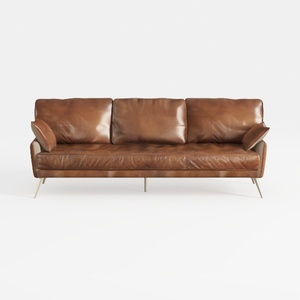
Modern Vintage Leather 3 Seater Sofa With Metal Legs 3D Model
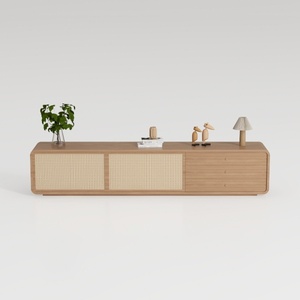
Walker Edison Sasha 4-Door Sideboard Buffet with
Homestyler is your go-to online design platform for creating stunning interiors with ease. Enjoy its user-friendly design tool, immerse yourself in beautiful 3D renderings, explore diverse design projects, and learn through engaging video tutorials. Transform your home design dreams into reality effortlessly!
지금 무료로 디자인하세요
































