

[Section: Intro]
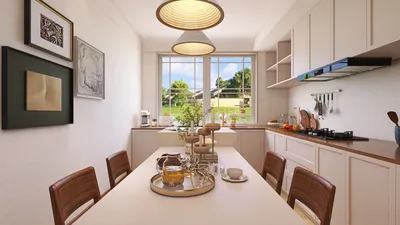
A noticeable trend among homeowners is the desire for striking styles in smaller spaces, particularly in the 10 x 15 dining room, which proves to be a pivotal area where thoughtful design yields significant results. With over ten years of experience in designing compact residential spaces, I firmly believe that smaller rooms can ignite considerable creativity—each square inch poses a challenge and offers rewarding solutions. In this article, I will discuss five actionable design inspirations along with personal anecdotes and reputable sources, plus practical strategies to enhance your 10 x 15 dining area using tools like Homestyler for visualization.
Before we begin, it’s worth noting: if you are managing seating and flow, consider an L-shaped arrangement to free up more floor space in adjoining kitchen-dining designs for better movement—I recently utilized this approach in a condo remodel with remarkable success.
1. Minimalist Dining with Smart Storage
My Perspective
I have handled numerous apartments where the dining area serves dual purposes as a buffet and a study space; a minimalist strategy contributes to a serene atmosphere. I appreciate open lines of sight, slender furniture, and storage that disappears when not in use—this approach ensures a 10 x 15 dining room feels purposeful rather than restricted.
Advantages
Minimalist designs provide clarity and visual breathing room while aligning with space-conserving dining room concepts that enhance functionality. Built-in sideboards and slender credenzas can accommodate tableware and small appliances without encroaching on the dining area.
Disadvantages
A potential drawback could be the limited display space—you may have to compromise on decorative items for tranquility. Occasionally, clients yearn for visible collections until we create a rotating open shelf or a dedicated frame to maintain their personal touch.
Suggestions / Case Study
In one townhouse project, I designed a shallow recessed cabinet situated at chair-back height to store placemats and napkins, which kept the surfaces clear while ensuring seating comfort. Budget considerations: basic built-ins start at around $1,200 in my area, while custom cabinetry varies based on selected finishes.
2. Layered Lighting for Atmosphere and Usability
My Perspective
Lighting can dramatically change a small dining space. I prefer layered lighting designs: a statement pendant for the dining table, wall sconces for evening ambiance, and adjustable recessed lights for tasks. In one 10 x 15 room, a dimmable chandelier created an intimate dinner setting, while bright downlights facilitated holiday preparations.
Advantages
Layered lighting enhances versatility and supports practical small dining room lighting approaches like dimming and color temperature adjustments, allowing the mood to shift from bright breakfasts to romantic dinners. According to the Illuminating Engineering Society (IES), layered lighting boosts visual comfort and multifunctionality in residential dining areas (IES Lighting Handbook).
Disadvantages
It can be tempting to install numerous fixtures; this might result in conflicting focal points. My recommendation is to select one standout light and complement it sparingly—too many lighting sources can disrupt the room's visual calm.
Suggestions / Cost
Consider investing in a dimmer switch and LED fixtures with adjustable color; these upgrades can be cost-effective in the long run. Anticipate spending between $300 and $1,200 for a quality pendant light and an additional $150–$400 for sconces, plus any electrician fees depending on the intricacy of installation.
save pin
3. Adaptive Furniture and Scalable Seating
My Perspective
I am a fan of modular systems: a compact table that expands, bench seating that tucks away, or stackable chairs that can be pulled out for extra guests. In one redesign for a rental property, I introduced a drop-leaf table and a slim banquette—when not in use, these elements kept the sightlines open and gave the illusion of a larger space.
Advantages
Flexible furniture aligns with common layout concepts for small dining rooms, adapting to daily needs; it allows a 10 x 15 dining area to cater to casual breakfasts as well as extensive holiday gatherings without imposing permanent visual weight. Benches can save space and sit flush against walls, enhancing circulation.
Disadvantages
Some flexible pieces may compromise long-term comfort in favor of compactness. I always test chairs and mechanisms—nothing undermines a social gathering more than an unstable extension leaf during game night. It’s crucial to prioritize durability if you frequently host.
Suggestions / Case Study
My preferred solution involves using a 36–42 inch round table (or a 30 x 48 rectangle) as a daily setup in a 10 x 15 room, combined with one bench and two chairs. This combination strikes a balance between intimacy and capacity without overwhelming the space.
save pin
4. Visual Enhancements: Mirrors, Glass, and Vertical Lines
My Perspective
I frequently employ mirrors and reflective surfaces to enhance natural light. In a top-floor apartment, a floor-to-ceiling mirror positioned opposite the windows effectively doubled the perceived depth of the room, while a glass-topped table prevented visual heaviness from reflections.
Advantages
Utilizing mirrors and glass can create the illusion of a larger and airier space; they reflect light and give a sense of expansion beyond physical confines. Vertical wall treatments—narrow wallpaper or painted stripes—help direct the eye upward, giving the impression of taller ceilings.
Disadvantages
Reflections may reveal clutter, making it essential to pair reflective elements with tidy storage solutions. Additionally, glass surfaces are prone to fingerprints—expect a bit more maintenance if children are around.
Suggestions / Case Study
Consider opting for a slim framed mirror rather than a frameless variant to provide structure. For one urban apartment, I chose a mirrored panel framed in slim brass—stylish yet easy to clean; glass protectors also help minimize upkeep.
save pin
5. Material Palette: Warm Woods, Neutral Backgrounds, and Textured Layers
My Perspective
I tend to mix warm wood tones with neutral colors and textured textiles to cultivate a cozy and layered atmosphere—this is particularly vital in a 10 x 15 dining room where close proximity can feel overwhelming. A wooden table paired with lighter walls and a patterned rug produces harmony and invites guests to stay longer.
Advantages
Incorporating wooden elements introduces warmth and tactile comfort to compact dining environments; combining timber with neutral walls supports color palette innovations that keep the space open. Textiles, such as rugs, curtains, and seat cushions, enhance acoustic comfort and visually delineate the dining area.
Disadvantages
An excess of dark woods can appear heavy in a small room. I often suggest limiting to one primary wood tone while incorporating lighter accents to sustain an airy feel—unless a bold, dramatic ambiance is desired, in which case go for it intentionally.
Suggestions / Budget
Investing in a mid-range solid wood table can be worthwhile, but veneered tops or mixed-material tables can offer similar warmth at a lower price. Rugs and cushions are economical updates that can keep the space refreshed seasonally.
In projects aimed at achieving a warmer aesthetic, I utilized 3D visualizations to experiment with wood and textile combinations prior to purchase—this saves on costly returns and guarantees that the palette resonates correctly within the space. If you want to explore combinations, use a service that enables you to render options visually in context, such as Homestyler, which helps create visual depth within your layout.
[Section: Summary]
In conclusion, a 10 x 15 dining room should not be viewed as a constraint—it represents a significant opportunity. Through deliberate layout strategies, layered lighting, adaptable furniture, clever visual tricks, and an appropriate material palette, you can craft a dining space that is both functional and aesthetically pleasing. I often remind clients that compact areas reward thoughtful design: the choices you make will be highly visible and impactful.
If you wish to visualize how a certain arrangement will fit into your space, consider creating a digital mockup or utilizing basic tape-on-floor planning; in my professional experience, digital previews help save both time and budget (source: American Society of Interior Designers’ guidelines on spatial planning).
Which of these strategies are you eager to implement in your 10 x 15 dining room?
[Section: FAQ]
1. What size dining table works best in a 10 x 15 dining room?
A 36–42 inch round table or a 30 x 48 inch rectangular table suits daily use, providing ample room for movement while comfortably seating four.
2. How much clearance should I allow around the dining table?
Ensure at least 36 inches of space between the table’s edge and walls or major pieces of furniture for easy movement; the NKBA suggests clearances of 36–42 inches in dining areas (National Kitchen & Bath Association).
3. Can I merge my dining room with a workspace?
Absolutely—utilize multi-functional furniture such as fold-down desks or narrow sideboards that can also serve as workspaces. Maintain a clear visual division with rugs or lighting to preserve the dining ambiance.
4. What type of flooring is ideal for a compact dining area?
Continuous flooring throughout adjoining rooms creates a sense of spaciousness; select mid-toned hardwood or wood-like tiles and place a rug under the table to ground the dining zone.
5. How do I choose the appropriate pendant light size?
As a general guideline, select a fixture about half to two-thirds the width of the table. For a 36–42 inch table, a pendant light between 16–26 inches wide is typically proportionate.
6. Are rugs essential in a small dining room?
While not mandatory, rugs help define the dining space and enhance sound absorption. Choose a rug large enough so that chairs remain on the rug when in use—usually about 24 inches beyond the table’s edge.
7. How can I make a narrow 10 x 15 dining room appear wider?
Light wall colors, long horizontal mirrors, and low-profile furniture can emphasize width. Horizontal casework or a bench along one wall helps maintain low sightlines, making the room feel broader.
8. Should I consider removing a wall to the kitchen for better flow?
Knocking down a wall can enhance visibility and flow, but keep structural and HVAC factors in mind. A partial opening or passthrough can maintain separation while increasing connectivity—consult a structural engineer regarding load-bearing walls.
save pin
Looking to transform your space? Homestyler is your go-to online home design platform! With its user-friendly design tool, stunning 3D renderings, a plethora of design projects, and helpful DIY video tutorials, you can effortlessly create your dream home—no prior experience needed!
Design jetzt kostenlos
































