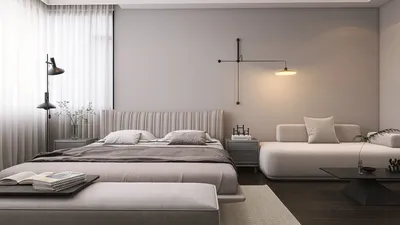


Over the last ten years, I have successfully redesigned numerous student living spaces, particularly hostel rooms that effectively provide a harmonious blend of study, rest, and social interaction, all while optimizing limited space. In communal living situations, such as those at IIT Bhubaneswar, maximizing every inch is essential. This can be achieved using smart layouts, effective light control, acoustic comfort, and durable materials that can withstand the rigors of student life. Tools like Homestyler can assist in visualizing these designs.
Effective design is grounded in research. According to WELL v2, optimal ambient light levels fall between 300 and 500 lux for general activities, while focused tasks require 500 to 1,000 lux, ensuring glare is managed effectively. Research from Steelcase highlights that minimizing visual and acoustic distractions can significantly boost student focus. Furthermore, insights from Verywell Mind indicate that cool colors, such as blues and greens, can lower stress levels and enhance concentration—ideal for study areas, while intense reds can be energizing in social spaces.
Designing Room Zones: Study, Sleep, and Social Areas
When creating a layout for a hostel room, I identify three distinct zones: a study area equipped with focused task lighting and a pinboard, a sleeping area shielded from desk glare, and a compact social corner, often utilizing the space at the edge of a bed or a small seating arrangement by a window. Utilizing a room planning tool can facilitate the arrangement of furniture to optimize layouts and ensure adequate space for movement and shared storage, enhancing functionality.
Layout Techniques for Different Room Types
- In single rooms: Position the desk perpendicular to the window to utilize natural light without glare. Ensure a circulation space of 750 to 900 mm around the bed, and install a peg rail above waist height to declutter floor space.
- In twin rooms: Align the head of each bed against opposite walls to create a central pathway. If using shared walls for desks, offset their placement by approximately 600 mm, adding a small shelf to define personal spaces. For triple occupancy, consider lofting a bed above existing furniture to maintain an open feel.
Lighting: Multi-Layered, Glare-Proof, Study Optimized
Students typically spend extended hours at their desks, necessitating a layered approach to ambient and task lighting. Aim for ambient levels of 300 to 500 lux using neutral-white LEDs (3,500 to 4,000 K) to minimize fatigue. Task lighting should provide between 500 and 750 lux at the work surface and have a high Color Rendering Index (CRI ≥90) for accurate color representation. Integrating an under-shelf LED strip can help reduce shadows, and positioning light sources away from direct sightlines can mitigate glare, aligning with IES recommendations for visual comfort.
Understanding Color Psychology and Materials
In study areas, it is beneficial to choose softer colors—like a muted blue-gray or green—as they promote calmness and focus without being dull. Keep brighter colors for items like pinboards or cushions to avoid overwhelming visual noise. Additionally, using warm neutral tones around the sleeping area can create a relaxing atmosphere, while a touch of brick-red or terracotta near the social space can add vibrancy without being overwhelming. Opting for matte finishes can also help in decreasing glare and making the space feel less cluttered.
Prioritizing Ergonomics for Extended Study Sessions
An ergonomic chair with lumbar support is essential for comfort. The chair’s height should allow knees to bend at about a 90-degree angle, with feet flat on the ground; a desk height of around 720 to 750 mm is optimal. It is vital to keep screens at or just below eye level and ensure that commonly used items are easily accessible to minimize strain. For cost-effective adjustments, consider adding a footrest and a monitor riser to improve comfort significantly before investing in a new chair.
Acoustic Comfort: Designing for Quietness
In shared living environments, sound can easily become a distraction due to thin walls and hard flooring. Introduce elements like a soft rug, textile pinboards, and acoustic panels behind desks to absorb sound. Implementing a quiet hours system and using lighting cues, such as a task-mode desk lamp, can also help in fostering focused behavior. Additionally, incorporating soft-close mechanisms for furniture can minimize disturbances during the night.
Effective Storage Solutions: Creating Order
Maximize vertical storage by utilizing stackable bins on top of wardrobes and pegboards for organizing smaller items. In twin rooms, establish a communal ‘library’ shelf on a central wall while labeling personal containers to uphold individual territories. Hooks placed at a height of 1,700 to 1,800 mm can keep jackets clear from desk areas, and under-bed drawers with full-extend capabilities can ensure easy access without clutter.
Ensuring Proper Ventilation and Light Control
While cross-ventilation is ideal, it’s not always achievable. Maintain a clear pathway from the window to the door and avoid heavy draperies that obstruct airflow. For daylight management, layer sheer curtains with blackout options to regulate sleep cycles—especially important during exam seasons. Position the study desk to avoid harsh afternoon sunlight; if direct exposure is unavoidable, consider adding light shelves or reflective blinds to disperse and soften the light.
Choosing Sustainable and Durable Materials
Furniture in hostels must endure frequent use, hence selecting high-pressure laminates for desks, powder-coated steel for frames, and stain-resistant upholstery is crucial. Whenever possible, favor low-VOC finishes and materials with recycled content. A cork pinboard not only serves as an effective design element but also aids in sound absorption and offers easy patching capabilities.
Visual Balance in Small Rooms
To enhance the perception of space, ensure unobstructed sight lines from the entrance to the window. Position taller furniture towards corners and opt for lighter shades on extensive surfaces. Maintain a rhythmic pattern by incorporating similar shelving or lighting to establish harmony. Avoid intricate designs on bed linens, as they tend to make a room appear smaller.
Instilling Shared Living Etiquette through Design
Design strategies can help mitigate potential disputes in shared accommodations. Providing each resident with defined desk space, personal storage options, and individual task lighting can promote a harmonious environment. A small tray table can double as a snack area while stowing away neatly under the bed. Wall-mounted pinboards with name tags allow for clear organization of personal items. Including a calendar or magnetic strip near the entrance encourages shared responsibility for schedules and reminders.
Example Room Layouts
- For compact singles: Position the bed along the longest wall, with the desk perpendicular to the window and a rolling cart underneath; ensure an 800 to 900 mm pathway for circulation.
- For twin rooms focused on study: Space beds against opposing walls, add a shared central shelf, align desks offset on one wall with a divider shelf, and include a noise-reducing rug with layered window treatments for light control.
- For triple occupancy: Adopt a lofted bed design over desk or wardrobe, with two lower beds arranged head-to-toe to mitigate noise transmission; personal bins can be color-coded for clarity.
Essential Move-In Checklist for IIT Bhubaneswar Residents
- A task lamp (with CRI ≥90, 3,500–4,000 K) along with an under-shelf LED strip for light enhancement
- A rolling storage cart accompanied by labeled bins for organization
- A dense-pile rug and a fabric pinboard to help with sound control
- A clip-on monitor riser alongside a footrest for ergonomic enhancements
- Layered sheer and blackout curtains for effective light management
- A peg rail and over-door hooks for additional storage solutions
Ongoing Maintenance and Gradual Upgrades
Prioritize essential elements—lighting and ergonomics—before adding other features like storage and noise control. Evaluate every semester; if study durations increase, consider upgrading to an adjustable task chair; if social interactions grow, think about introducing a portable stool and multifunctional table. Replace frequently used items like storage bins or lamp switches before they become ineffective.
Frequently Asked Questions
Aim for a task lighting level of 500 to 750 lux on work surfaces with a high-CRI lamp (≥90), while keeping ambient lighting within 300 to 500 lux to decrease eye strain, aligning with WELL v2 standards.
Calm colors like muted blues or greens are excellent for maintaining focus. Warmer accents should be integrated in social areas rather than on main study walls, based on insights from color psychology.
Incorporate soft textures such as rugs, fabric pinboards, and curtains. Arrange beds head-to-toe in shared spaces and establish quiet hours to ensure a routine. Using soft-close features on storage solutions is also recommended to minimize disruptions at night.
Elevate your monitor to eye level using a riser, add a footrest, and make sure the chair height allows for a 90-degree knee bend. Chair upgrades can be prioritized later, as these adjustments significantly increase comfort in the meantime.
On one wall, position desks offset by about 600 mm, and include a low dividing shelf to delineate personal space. Utilizing a room layout planner can be beneficial for testing space clearances and light angles.
Utilize neutral-white lighting (3,500–4,000 K) for both ambient and task setups to promote focus without harshness. Avoid high-contrast elements in the immediate sightline to prevent glare.
Implement layered sheer and blackout curtains to create a comfortable sleep environment. Place desks perpendicular to windows to take advantage of natural light while avoiding direct glare.
Consider using an under-desk rolling cart, stackable storage bins above the wardrobe, and a pegboard for organizing supplies. Labeling bins in shared rooms can alleviate any confusion.
Absolutely! Assign different color codes for each person’s bins and accent pieces. Keeping a neutral wall color can maintain tranquility and focus in the space.
Regularly evaluate every semester. Adjust lighting, storage options, and noise management as needed based on shifts in study habits and social activities.

Modern Solid Wood Green Fabric Upholstered Dining Chair 3D Model


Modern Green Leather Metal Frame Armless Chair 3D Model
Homestyler is your go-to online platform for stunning home design! With a user-friendly design tool, expansive 3D rendering options, and a wealth of DIY video tutorials, you can effortlessly create your dream space. Explore, design, and inspire with Homestyler today!
立即免费设计
































