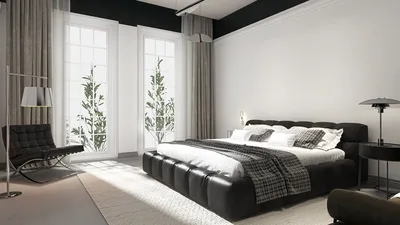


When it comes to designing floors in compact homes, the focus should shift from restrictions to clarity. Utilizing the appropriate tile size, arrangement, and finish can help visually enhance small spaces, facilitate movement, and establish a harmonious flow throughout the home, from the entrance to the bedroom. I rely on measurable principles such as lighting, color perception, slip resistance, and sound control to select tiles that perform optimally across every inch of space, often incorporating tools like Homestyler for planning.
Lighting significantly impacts the perception of tile more than many realize. The WELL v2 certification suggests ideal illumination levels typically fall between 300-500 lux for living areas, promoting comfort and visual clarity. This directly influences how tile colors are perceived and how grout contrasts appear (source: v2.wellcertified.com). Additionally, research highlighted by Verywell Mind indicates that lighter shades are generally seen as more expansive and tranquil, while darker colors can create a sense of intimacy—useful for delineating small areas without erecting physical barriers (verywellmind.com/color-psychology). With these insights, I adjust both lighting and color to match the tile's performance.
In smaller homes, continuity is often more beneficial than variety. Findings from Steelcase suggest that coherent environments minimize cognitive friction, and this concept applies to residential designs as well: maintaining fewer abrupt variations in materials aids mental navigation, making it simpler to move throughout the space (steelcase.com/research). I often use a singular main floor tile throughout the main flow—entry, hallway, kitchen—and only alter texture or finish when functionality necessitates it, such as incorporating micro-textured tiles in wet areas for added safety.
Scale, Pattern, and Sightlines
Small spaces do not demand small tiles. Choosing larger tiles (24×24 inches or 600×600 mm and above) minimizes grout lines and creates a visually calming atmosphere while elongating sightlines. In narrow areas, I arrange rectangular tiles along the longer side to direct the gaze; in square rooms, a stacked or 1/3 offset arrangement yields a gentle rhythm. Using a herringbone pattern can add charm to tiny living spaces—its angled lines create an illusion of width—but I ensure grout colors closely match the tiles to maintain visual simplicity. If you're considering different layouts for each room, utilizing a room layout design tool can help visualize joint directions and transitions in 3D before making any decisions, similar to features offered by Homestyler.
Color and Finish: Brightness vs. Glare
Light neutrals (warm grays, soft beiges, chalky whites) can enhance a sense of expansion, but the finish is critical. High-gloss surfaces may amplify light but also increase glare, along with visible scuffs, particularly under cooler 4000K+ lighting. I prefer matte or satin tiles with light-reflectance values (LRV) in the mid to high range for living areas, while opting for a slightly lower LRV in bedrooms to create a softer nighttime ambiance. Pair these finishes with 2700-3500K lighting for a warm atmosphere and more natural skin tones; also, utilize focused task lighting in kitchens and work areas to maintain consistent brightness without extreme contrasts.
Room-by-Room Strategies
Entryway: Select a sturdy porcelain tile with a subtle texture (common slip ratings range R10-R11; always check specific manufacturer guidelines) to handle wet footwear. A slightly darker border or frame can help define the entryway without making it feel constricted.
Living Room: Opt for large-format tiles with minimal patterns. If the room has lively acoustics, utilize textured ceramics or structured porcelain to diffuse sound reflections; pairing these with plush area rugs can control reverberation while maintaining a low-maintenance tiled foundation.
Kitchen: Continue the primary tile for visual coherence. Introduce micro-texture in front of sinks and cooktops for added grip. The reflectivity should remain moderate to accommodate varying daylight and task lighting. If there’s an open layout, extending tiles along the long axis from the entry to the balcony can create an illusion of increased length.
Bathroom: Gently contrast floor and wall tiles. For flooring, focus on slip-resistant and drainage-friendly options. Smaller mosaic tiles may enhance traction; in tiny bathrooms, a uniform-tone matte mosaic can maintain calmness. Ensure that shower pan tiles align with the drain for a seamless appearance.
Bedroom: Use soft-matte porcelain with warm undertones to promote restful sleep. Avoid high-contrast veining that could distract. If you enjoy the cozy feel of carpets but want to minimize upkeep, consider placing area rugs over tiles, ensuring that the thresholds are flush for easy access.
Visual Continuity and Zoning
In compact homes, achieving visual continuity is foundational, while zoning adds nuance. I usually plan for a single continuous tile surface throughout the main flow, distinguishing different areas using adjustments in scale, border lines, or finishes instead of color shifts. A 2-inch border in a consistent hue around dining or workspace zones can act as a subtle frame, enhancing function while keeping maintenance straightforward and furniture arrangements flexible.
Grout, Edges, and Transitions
The color of the grout can significantly influence the perception of small rooms. Matching the grout closely to the tile creates a larger, more cohesive look; apply slight contrast only to emphasize shapes. In transitions, low-profile metal trims help maintain clean edges while protecting corners. When switching to wood or laminate, keep height variations under 5-7 mm and align plank placement with the tile joints for better visual harmony.
Patterns that Stretch Space
• Diagonal settings in square rooms to enhance the perceived width.
• Herringbone in narrow hallways to alleviate tunnel vision.
• 1/3 stagger placement in rectangular tiles to minimize lengthy joint lines.
• Border frames to define small zones without employing contrasting colors.
Material Selection and Sustainability
Porcelain tiles are ideal for small homes due to their density, low porosity, and low-maintenance nature. Whenever possible, opt for tiles that come with Environmental Product Declarations or transparency reports, and consider those with recycled content to help reduce environmental impact. If thermal comfort is a concern, light-colored tiles reflect heat in sunlit spaces; in cooler environments, pair these with radiant floor heating for consistent warmth and improved energy efficiency compared to traditional space heaters.
Acoustic and Human Factors
Hard flooring surfaces can reflect sound, so I balance out tile use with soft furnishings, wall panels, and drapes. In compact living situations, I keep floor patterns straightforward to lessen mental strain—individuals can quickly assess the floor's layout to determine movement and resting areas. Clear alignment of joints can subtly guide spatial flow in homes with multi-functional layouts.
Maintenance, Durability, and Safety
Small homes experience high foot traffic relative to their size. Opt for rectified tiles for tighter joints and choose stain-resistant grouts. In areas prone to moisture, prioritize tiles with good slip ratings and test a sample board under actual lighting conditions, as glare can affect grip perception. For families with children or elderly persons, a mild texture offers greater safety compared to gloss finishes, especially on stairs.
Layouts Worth Testing Before You Buy
Employ an interior layout planner to visualize tile orientation, scale, and border effects alongside furniture arrangements. Observing how a sofa interacts with a herringbone pattern or how a kitchenette lines up with tile joints avoids awkward cuts and conserves budget. Design visualization tools like Homestyler prove particularly useful when blending mosaics in bath areas with larger tiles in living spaces.
Budget-Smart Moves
• Use a single primary tile across several spaces to leverage bulk pricing.
• Implement borders and layout shifts instead of investing in multiple contrasting colors.
• Keep tile cuts minimal by aligning patterns with room measurements.
• Choose durable porcelain in standard sizes to minimize waste.
FAQ
Q1: Do large-format tiles enhance the perception of space in small rooms?
A: Indeed, fewer grout lines minimize visual fragmentation and elongate sightlines. I typically recommend using tiles 24×24 inches or larger in living areas and hallways, while closely matching grout hue to that of the tile for unity.
Q2: Which tile finish performs best under standard home lighting?
A: Satin or matte finishes provide a good balance between light reflectance and glare. Pair these with warm white lighting around 2700-3500K to maintain pleasant surfaces and avoid harsh highlights.
Q3: What can I do to increase traction in small kitchens and bathrooms?
A: Opt for tiles with subtle textures and verify the manufacturer’s slip ratings (typically marked as R10–R11). In showers, utilizing mosaics increases the grout area and improves grip.
Q4: Should I differentiate tiles in every room to indicate zones?
A: In smaller homes, continuity is key. Stipulate zones using borders, scale variations, or changes in finish rather than contrasting colors to prevent visual chaos.
Q5: What grout color is most suitable for constrained spaces?
A: Matching grout to the tile color yields a calmer, more spacious appearance. Use slight contrast only for intentional emphasis of patterns like herringbone or basketweave.
Q6: Can patterned tiles work well in small living rooms?
A: Yes, but it’s essential to keep the color palette minimal and the grout lightly contrasted. Choosing herringbone or gentle diagonal patterns can widen the perception without overwhelming the space.
Q7: In what way do lighting levels impact the appearance of my tile?
A: Maintaining illumination around 300-500 lux in living areas aids in consistent color rendering. Excess brightness or cool lighting can enhance glare; it’s important to balance the finish and tile tone accordingly.
Q8: Is it possible to combine mosaics with large-format tiles in a limited space?
A: Certainly. Implement mosaics in wet areas while keeping large formats in the main living zones. Ensure that transitions align with thresholds and maintain consistent color families.
Q9: How can I test layouts prior to installation?
A: Employ a layout simulation tool to visualize tile orientation, joint alignments, and furniture placements. This method effectively prevents awkward cuts and mismatched transitions.
Q10: What is the best tile type for high-traffic micro-homes?
A: Opt for dense porcelain paired with stain-resistant grout. Choosing rectified edges allows for tighter joints and easier maintenance.


Discover the joy of home design with Homestyler! This user-friendly platform offers an amazing online design tool, stunning 3D renderings, diverse design projects, and insightful DIY video tutorials. Whether you're a novice or an experienced designer, Homestyler makes your creative vision a reality!
تصميم الآن مجانا
































