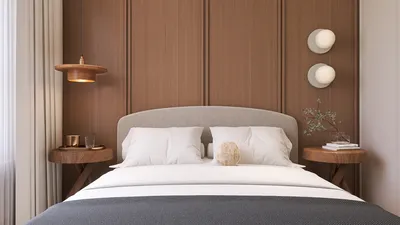


Having designed numerous micro-apartments and compact bedrooms, I can confidently say that a small wooden bed often emerges as the understated essential for optimizing space. The selection of the appropriate frame and its design intricacies establish an atmosphere conducive to rest, storage solutions, and ease of movement. Wood introduces warmth and tactile comfort, presenting a classic aesthetic that feels softer compared to metal fittings in tight living spaces. This effect is particularly enhanced when combined with carefully tailored lighting and ergonomic considerations, making tools like Homestyler invaluable for planning layouts.
When it comes to size and visibility, the dimensions truly matter. In bedrooms measuring less than 100 sq ft, I typically recommend selecting a twin or full-sized bed with approximate dimensions of 54" x 75" when possible. This choice ensures that there remains a minimum 30" clear path on at least one side, aligning with ergonomic principles to facilitate safe movement and improve nightly routines while minimizing trip hazards. The WELL v2 standards advocate for restorative sleep settings characterized by adjustable lighting, minimal noise levels, and thermal comfort. Furthermore, aligning bedroom lighting setups with these guidelines results in improved sleep quality, a concept supported by various WELL studies. Insights from Gensler’s research indicate that environments with optimized lighting and sound consistently yield better outcomes in perceived well-being, ideas I leverage when determining bedroom lighting gradients using design tools like Homestyler.
The choice of materials plays a crucial role in creating a peaceful environment. Research from Verywell Mind highlights that utilizing natural materials and warm neutral tones can effectively reduce anxiety levels, promoting relaxation based on color psychology principles. Coupled with IES guidelines recommending warm-white lighting (2700–3000K) to prevent melatonin disruption, a small wooden bed can achieve a grounded presence immediately. For comprehensive lighting standards, I refer to the Illuminating Engineering Society's recommendations available at ies.org/standards.
Effective Bed Designs for Limited Spaces
• Low-profile platform bed: A 6–8" platform paired with a slim mattress gives the illusion of higher ceilings and streamlined lines. I favor solid ash, white oak, or bamboo veneers for reduced weight, and a chamfered edge softens shadows to minimize visual bulk.
• Raised platform with integrated drawers: For those with limited closet space, adding 2–4 soft-close drawers, typically measuring 20–24" deep, offers a smart storage solution. Incorporate toe-kick lighting at 1–2 watts per linear foot to prevent nighttime glare.
• Daybed with trundle: This adaptable option provides a cozy seating area during the day and accommodates sleep for two at night. Opt for slatted oak with rounded corners to eliminate bruising in tight circulation routes. For experimenting with furniture arrangements, using a room layout tool like Homestyler can quickly validate clearances.
• Headboard niche against the wall: A shallow (4–6") millwork niche serves as a nightstand without encroaching on floor space. Add a matte reading sconce equipped with a 2700K LED and glare shield for optimum comfort.
Optimizing for Comfort and Flow
In compact spaces, I prefer a bed width ranging from 38" (twin) to 54" (full), ensuring at least 18–24" of clearance on either side and a minimum of 30" at the end for accessing wardrobe areas. Maintaining reach distances of 15–18" to light switches or shelves is crucial for reducing strain. When I plan bed and wardrobe layouts, I often begin with circulation paths and then utilize an interior layout planner, such as Homestyler, to confirm that door openings and drawer pulls won’t interfere.
Selection of Wood Types, Finishes, and Environmental Considerations
Lighter wood tones, such as white oak, ash, or maple, are perfect for small rooms since they reflect available light without giving an overly shiny appearance. While walnut can also work beautifully in tandem with low-profile designs, it is essential to keep wall colors light and window treatments sheer. Opting for low-VOC finishes and water-based polyurethanes helps maintain good indoor air quality. Engineered cores paired with natural wood veneers offer structural stability and are lighter for navigating through tight spaces. Bamboo, being fast-renewable and dimensionally stable, serves as an excellent material choice for slats and drawers.
Creative Storage Solutions That Minimize Clutter
Smart storage choices are key in small spaces. Under-bed drawers are fantastic, but ensure the fronts are flush with recessed handles to avoid knee injuries. Consider a flip-up platform with gas struts for seasonal storage, and specify soft-close mechanisms to prevent loud noises during the night. Another option is to forgo a conventional nightstand for a wall-mounted floating shelf to optimize floor space. To ensure neat cable management, channel power through the headboard and include a sliding panel with a 2-outlet + USB port module.
Headboard Designs That Influence Perception
Opting for a tall, paneled wood headboard can create the illusion of expanded height in the room. For narrow spaces, horizontal slats or banded veneers can enhance the visual width of the area. Incorporate upholstered elements in muted earth tones to mitigate noise and provide additional comfort while reading. In extremely small rooms, a slim 1–1.5" thick headboard with integrated shelving can offer storage without extending into the room.
Effective Lighting, Color Choice, and Acoustic Comfort
Employ warm-white ambient lighting (around 2700K) to facilitate evening relaxation. I steer clear of cooler color temperatures as they can appear sterile. Implementing indirect LED strips behind the headboard or beneath the bed can create soft illumination pathways for nighttime movement. Research from Verywell Mind suggests that using soft greens and beiges fosters tranquility; I frequently combine light oak with sage green textiles for a harmonious palette. Regarding acoustics, a wool rug beneath the bed paired with fabric curtains can significantly dampen sound in small, hard-surfaced spaces.
Key Ergonomics: Heights, Edges, and Reachability
The combined height of the bed (including frame and mattress) should usually be positioned between 18–22". This height allows for natural knee flexion when standing. Opting for rounded corners on the footboard protects from painful bumps. Ensure reading lights are situated 20–24" from the pillow area, with dimmers placed near the headboard to eliminate disruptive movements during the night. Drawer pulls should be located 12–16" from the floor, making them easily accessible while sitting on the bed.
Styling with Subtlety
Compact spaces shine with simplicity. Typically, a textured duvet, two pillows, and a single throw blanket suffice. Choosing breathable cotton-linen blends in low-chroma colors will keep the aesthetic calm; high-contrast colors can make small areas feel crowded. Placing a slim bench at the foot of the bed is also workable, provided the essential 30" clearance for movement is maintained.
Strategic Layouts for Tiny Bedrooms
• Positioning the bed centerline opposite the door: This arrangement establishes immediate visual balance.
• Sidewall bed with headboard niche: This maximizes floor space for wardrobes while keeping pathways clear to windows.
• Corner daybed: This arrangement opens up the center of the room for movement and easily converts into seating for visitors.
Whenever I need to explore layout options rapidly for clients, a room design visualization platform like Homestyler proves essential for comparing different layouts and sightlines before finalizing decisions.
Budgeting for Durability and Value
Invest in elements that impact tactile experiences and functionality: the integrity of the frame, quality of drawer hardware, and finishing standards. It's wise to cut costs on items that may age poorly—such as excessively ornate headboards or trendy finishes. High-quality joinery methods (like mortise and tenon or doweled connections) outlast cheaper knock-down systems, particularly in homes undergoing frequent relocations.
For precise residential lighting calibration and glare mitigation, I regularly refer to IES standards found at ies.org/standards. The WELL v2 Light concept guides my decisions regarding color temperature, dimming, and exposure to natural light to support healthy sleep schedules.
Frequently Asked Questions
Q1: Which bed size is ideal for a very small bedroom?
A twin or full-sized bed is typically suitable for bedrooms under 100 sq ft. It’s crucial to retain at least 30" of clear space along one path for safe movement and, if achievable, 18–24" on one side.
Q2: What types of wood can enhance the feeling of spaciousness in a small room?
Opt for light-toned woods—such as white oak, ash, and maple—which reflect light well and minimize visual heaviness. Darker walnut can also be effective if the bed maintains a low profile and the walls stay light.
Q3: What is the recommended bed height for ease of standing?
A total height between 18–22" allows for natural knee alignment, making it easier to stand without straining.
Q4: How can I create storage solutions that don't make the bed feel bulky?
Utilize under-bed drawers with flush fronts, gas-strut lift storage, and headboard niches. It's crucial to keep hardware recessed to prevent knee impacts and visual clutter.
Q5: Which type of lighting is most beneficial for evening routines?
Warm-white lighting within the 2700–3000K range minimizes blue light exposure that could disrupt sleep. Both IES standards and the WELL v2 Light concept advocate for warmer ambient lighting to facilitate nighttime relaxation.
Q6: Are trundle beds suitable for compact spaces?
Absolutely—a combination of a daybed and trundle provides versatile seating during the day and sleeping options at night. Just ensure that it has a minimum of 30" clearance at the foot when extended.
Q7: How do color selections impact the perception of space?
Using low-chroma tones (such as soft greens, beiges, and light grays) can reduce visual distractions and enhance the perceived spaciousness of a room. Research by Verywell Mind indicates that calmer shades support relaxation.
Q8: What type of finish is best for maintaining indoor air quality?
Choose low-VOC, water-based finishes. Engineered woods with real-wood veneers offer stability and lighter weights, which is advantageous in tight homes.
Q9: How can I prevent glare while reading in bed?
Incorporate matte sconces with diffusers, positioning them just above and slightly to the side of eye level, and select 2700K bulbs equipped with dimmers.
Q10: How can I improve acoustics in small bedrooms?
Adding a wool rug, fabric curtains, and an upholstered headboard can help reduce sound reflections and lower the overall noise levels in a small room.
Q11: What common layout errors should I avoid?
Avoid positioning the bed in a way that conflicts with door swings or wardrobe drawers. Always verify clearances using a layout simulation tool like Homestyler before making furniture purchases.
Q12: Is bamboo an advantageous sustainable material choice?
Yes—bamboo is strong, dimensionally stable, and fast-renewable, making it an ideal material for slats and drawer components in compact bed designs.



Giantex Twin Over Twin Bunk Bed, Solid Wood Bunk B

Bme Oliver King Bed Frame and Headboard - 15-Inch
If you're looking to unleash your creativity in home design, Homestyler is your go-to platform! With its user-friendly online design tool, stunning 3D renderings, inspiring design projects, and helpful video tutorials, you can easily transform your vision into reality. Start designing your dream home today!
Zaprojektuj teraz za darmo
































