

In spaces where every inch counts, small tables truly come into their own. I rely on versatile surfaces, adaptable proportions, and user-friendly designs to establish areas for dining, working, and relaxation without overwhelming the visual space. In thoughtfully designed compact residences, the arrangement of seating and surfaces can influence daily behavior. According to research from Gensler, around 44% of workers alternate between concentrated individual tasks and collaborative efforts. This means that a well-designed table can effortlessly transition from a laptop workspace to a dining area, especially when complemented by flexible seating. Additionally, lighting plays a crucial role: as recommended by IES, ambient areas should aim for around 100–300 lux, while task lighting is more effective at 300–500 lux, ensuring that smaller tables feel intentional rather than makeshift. Incorporating tools like Homestyler can further enhance this planning process.
From a behavioral standpoint, the effectiveness of small tables increases when they are situated within optimal reach zones and circulation paths. Research from Steelcase indicates that slight adjustments in posture and distance can minimize fatigue throughout the day. A compact table with a height of 28–30 inches and a slim edge design aids in maintaining neutral wrist positions and decreases the need for shoulder strain. WELL v2 guidelines emphasize the importance of glare reduction and lighting that supports natural circadian rhythms; using local task lighting with warm 2700–3000K LEDs for evenings and brighter 3500–4000K during the day can help small tables function optimally for both focused activities and relaxation.
Compact Dining: Round Pedestals and Drop-Leaf Flexibility
In limited kitchen spaces, my preference leans toward 30–36 inch round pedestal tables. The central pedestal design avoids leg conflicts, while a chamfered edge provides a more streamlined aesthetic. Drop-leaf tables are adaptable, catering to solo breakfasts or extra seating for guests—just lift one leaf and tuck in two stools. If you’re considering furniture flow and chair clearances before a purchase, tools like Homestyler's room layout feature can simulate circulation and swinging arcs effectively.
Versatile Coffee Tables: Nesting, Lift-Top, and Storage Options
In living rooms, I focus on three styles: nesting tables for modular adaptability, lift-top designs for workspace convenience, and concealed storage to keep trinkets and chargers out of sight. A well-designed lift-top should operate smoothly using counterbalance mechanisms and should remain stable under 15–25 lbs of weight. Optimal heights for these tables should be between 16–18 inches when lowered and can rise to 23–26 inches for seated tasks, significantly enhancing user ergonomics during extended use.
Micro Desks: Innovative Wall-Mounted, Fold-Down, and Console Hybrid Designs
Wall-mounted desks featuring hidden brackets contribute to a light aesthetic and save valuable floor space. Fold-down desks work beautifully adjacent to windows; when opened, a depth of 24–26 inches accommodates both laptops and notebooks comfortably. Console tables with a depth of 12–16 inches can transition into workspaces alongside a slim task lamp and discreet power supply. Effective cable management, through options like grommets or magnetic channels, can help maintain an orderly appearance on smaller surfaces.
Breakfast Bars and C-Side Tables for Adaptive Dining
For studio apartments, a narrow bar with wheels (14–18 inches deep) serves dual purposes as both a prep area and a dining table. Pair this with backless stools that slide entirely underneath to promote movement. In a lounging area, C-shaped side tables can slide beneath sofas, providing convenient support for devices and meals while negating the need for additional coffee tables.
Choosing Materials: Slim Profiles, Durable Surfaces, and Eco-Friendliness
Opting for thin solid wood or high-pressure laminate tops provides resistance to dings without adding weight visually. Powder-coated steel frames with matte finishes help reduce glare, especially when positioning tables near windows. If considering veneers, select mid-toned grains to help mask micro-scratches. Utilizing FSC-certified woods and eco-friendly water-based finishes can improve indoor air quality, whereas I avoid high-gloss finishes on small tables as they tend to reflect clutter and attract fingerprints.
Understanding Color Psychology in Small Surfaces
Color significantly impacts perceived space. According to insights from Verywell Mind, cool tones can evoke feelings of calmness and spaciousness; table tops in pale blue-gray or soft sage shades recede visually, allowing seating and textiles to stand out. Meanwhile, warm touches—such as terracotta coasters or honey oak edges—enhance comfort without visually constricting the room.
Consideration of Proportion and Circulation: Setting Measurements Correctly
For dining arrangements, ensure 24 inches of width per person and maintain a clearance of 12–18 inches behind chairs. Side tables typically function best at heights of 20–24 inches adjacent to standard seat cushions (~18 inches). Clear aisle space of 30–36 inches allows for easy movement around small tables, ensuring they don't obstruct pathways. If you wish to test these dimensions, an interior layout planner tool like Homestyler can help visualize flow patterns effectively.
Lighting Strategies for Compact Tables
Task lighting should aim to provide 300–500 lux directly at the surface; combine it with a lamp that emits 2700–3000K warm light for evening relaxation and 3500–4000K for focused reading during the day. Using finishes and diffusers that minimize glare will enhance comfort. In dining areas, pendant lights positioned 28–34 inches above the tabletop create a focused light pool without causing glare, with dimmers allowing the same fixture to serve both work and dining purposes.
Acoustic Comfort: Designing Quiet Surfaces and Strategic Placement
Smaller tables can greatly benefit from noise-absorbing elements. Implementing felt pads under table feet, soft rugs, and upholstered seating can help to minimize noise caused by cups or keyboards. Positioning tables away from hard corners assists in reducing echo; incorporating small planters or bookshelves behind tables can effectively soften sound reflections within a room.
Strategizing Shapes: Utilizing Round, Oval, Square, and Soft-Rectangle Designs
Table shapes significantly influence movement around a space. Round and oval designs offer more flexibility in limited circulation. Square tables can be beautifully aligned against walls, although they should feature softened corners to ensure safety. A 24×36 inch soft-rectangle console with rounded edges serves as an excellent micro desk while ensuring clear pathways.
Integrating Storage: Utilizing Drawers, Shelves, and Concealed Technology
Shallow drawers, ideally ranging from 2–3 inches in depth, are most beneficial as they keep items easily visible. For dual-purpose living rooms, a lower shelf raised 6–8 inches off the floor can accommodate baskets and books. Including hidden wireless charging stations and power hubs beneath table surfaces reduces visible cord clutter; always ensure there's ventilation in these compartments and implement strain relief where necessary.
Defining Zones: How Small Tables Structure Daily Activities
I consider compact tables as central elements for micro-zones: a coffee table dedicated to social gatherings, a console serving as a workspace, and a pedestal designated for dining. Employing a consistent material palette and cohesive hardware across these items promotes visual harmony. Including a small lamp in each zone ensures that the function is immediately recognizable to anyone entering the space.
Placement Strategy: Corners, Windows, and Circulation Paths
Employ corners for nesting sets, position lift-top tables along the longer edge of a sofa, and keep consoles accessible near power outlets. At windows, a slender table can function as a plant shelf or reading nook. Prevent obstruction of circulation paths—if a route exists from an entryway to the sofa and then to the kitchen, ensure tables are placed outside that corridor or are easily stowed beneath seating when not in use.
Emerging Small-Space Trends for 2024–2025
Lift-top coffee tables equipped with counterbalance mechanisms, matte-stone laminates mimicking granite without maintenance, and rounded corners with micro-bevels continue to gain popularity. Additionally, I’m noticing a rise in slim pedestal bases finished in textured styles—such as river stone, basalt, or brushed bronze—that introduce tactile richness without bulkiness.
Quick Specification Guide: Essential Tips
- Dining round: 30–36 inch diameter for 2–4 seats is ideal; pedestal bases minimize knee interference.
- Coffee lift-top: Target 16–18 inch resting height; 23–26 inch raised height for ergonomics; ensure the hardware is stable for 15–25 lbs.
- Side table: A height of 20–24 inches aligns with sofa armrests; widths of 14–18 inches are suitable.
- Console/micro desk: Recommended depth is 12–16 inches, with cable grommet and suitable lighting.
- Bar cart/table: Maintain a depth of 14–18 inches; ensure locking casters and a surface resistant to spills.
FAQ
Opt for round or oval tables with a diameter of 30–36 inches to facilitate movement. A pedestal base mitigates leg obstacles, and a drop-leaf model allows for immediate expansion. Verify clearances using a layout simulation tool before finalizing a purchase, perhaps using Homestyler for accurate visualization.
Lift-top coffee tables that can raise to 23–26 inches promote better ergonomic alignment for wrists than conventional coffee tables. Pair these with supportive seating and a task lamp providing 300–500 lux for optimal function.
Solid wood or high-pressure laminate surfaces with water-based finishes are resilient against dents and stains. Frames made of powder-coated steel offer robustness without increasing glare. Mid-tone veneers tend to disguise wear more effectively than darker, glossy finishes.
Implement a layered lighting approach: ambient light at 100–300 lux and task lighting at 300–500 lux, according to IES recommendations. For evenings, use warm 2700–3000K lighting, switching to 3500–4000K for daytime tasks. Utilizing diffusers and matte finishes can help mitigate glare.
Absolutely! They provide flexible surfaces for gatherings and can be discreetly stowed to maximize floor space. Varying heights introduces visual diversity without overcrowding the room.
Round and oval tables prove to be the most accommodating. However, if rectangles are your preference, ensure you opt for rounded corners and slim edges. Maintain a clear path of 30–36 inches for easy movement.
Utilize shallow drawers (2–3 inches), low shelves for storage, and concealed compartments for technology. Select matte finishes and mid-tones to lighten the overall aesthetic.
Definitely! At a depth of 12–16 inches, with a task lamp and cable grommet, a console can serve effectively for brief work sessions. Installing a power strip underneath and pairing it with a comfortable chair enhances usability.
Cool, subdued colors tend to recede visually, making spaces appear more expansive, while warm accents create a cozy atmosphere. Avoid high-gloss, dark colors that tend to emphasize clutter.
Incorporate felt pads, soft rugs, and upholstered furniture to minimize sound. Keeping tables away from sharp corners helps reduce echoes; nearby bookshelves or plants can further diffuse sound effectively.
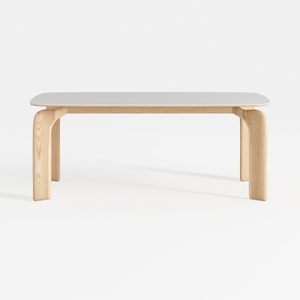

Minimalist Solid Oak Light Gray Top Coffee Table 3D Model
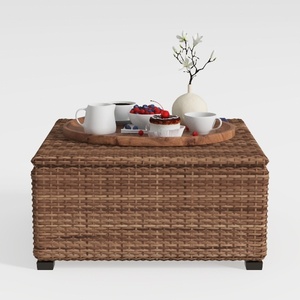
CLIPOP Walnut Nightstands Set of 2, 21.6” Bedside
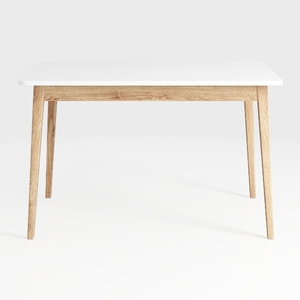
Minimalist Oak White Top Dining Table 3D Model
Discover the power of Homestyler, your ultimate online home design companion! Create stunning spaces effortlessly with its user-friendly design tool, enjoy impressive 3D renderings, and gain inspiration from a wealth of design projects and DIY video tutorials. Transform your home with ease!
Дизайн сейчас бесплатно
































