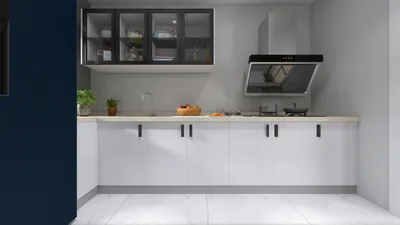


Round tables effectively address a common challenge in compact spaces: they facilitate smooth movement, soften harsh corners, and comfortably accommodate more guests within limited areas. In the small apartments and micro-lofts I’ve designed, a diameter of 30 to 36 inches is ideal for seating two to four people without overwhelming the environment. Additionally, a pedestal base offers extra legroom that traditional four-leg tables typically occupy, making it a smart choice in tight quarters.
Performance extends beyond just looks. Research from Steelcase indicates that tighter curves and clean edges can minimize collisions and navigation difficulties during daily activities, thereby enhancing comfort in constricted surroundings. The WELL v2 criteria support the importance of unobstructed pathways and effective spatial layouts, emphasizing the advantage of compact designs free of distractions. In my work, I adhere to these principles by ensuring at least 30 to 36 inches of space around a table for easy passage, 18 to 24 inches for seating comfort, and maximizing natural light whenever feasible. For more stringent guidelines, WELL v2 and IES recommendations regarding glare and lighting uniformity help maintain a calm and safe atmosphere in small dining areas.
Color plays a significant role in influencing the perceived size of a space. According to insights from VerywellMind on color psychology, cooler tones are often perceived as more expansive and calming. Practically, a light gray table paired with pale oak chairs and soft white walls (with ambient lighting ranging from 3000 to 3500K) can create an illusion of a brighter and larger space, especially compared to a dark walnut table under warm 2700K lighting. When working with limited dimensions, brighter contrasts and low-gloss finishes effectively minimize visual heaviness and glare.
Selecting the Ideal Diameter
For most studio kitchens, a diameter of 30 to 36 inches is suitable, while 40 to 44 inches works well for snug dining nooks designed for four individuals. If you occasionally entertain five guests, a round table measuring 42 to 48 inches with slim chairs would be a great choice. Be mindful of chair widths; 16 to 18 inches per seat is a practical guideline, and opting for armless chairs can save precious space. I like to visualize my layout by outlining a circle of chairs and checking door swings, appliance areas, and walkways before settling on the final measurements. When adjusting layouts or assessing chair arrangements efficiently, using a room design tool, such as Homestyler, can greatly assist in visualizing clearances and circulation paths.
Pedestal vs. Four-Leg Bases
Pedestal bases excel in smaller rooms by eliminating the corner legs that can create obstacles and allowing chairs to be pulled in closer without leg interference. A broad, weighted base minimizes wobbling on uneven surfaces. While four-leg tables provide a classic aesthetic and stability, in restricted spaces, select narrow aprons and splayed legs to lessen conflicts with knees. Metal pedestals offer a sleek profile; wood versions bring warmth but should be thoughtfully proportioned to avoid bulkiness.
Chair Designs for Tight Spaces
Armless, low-back chairs can be tucked away easily, freeing up sight lines. If lumbar support is indispensable, consider sleek, curved backs with shallow seat depths (14 to 16 inches) to maintain smooth circulation. Stackable or nesting chairs are ideal for extra seating without creating a permanent mess. Upholstered options aid in sound absorption—especially useful in hard-surface kitchens notorious for echo—and performance fabrics are easy to maintain.
Choosing Materials for Longevity
In busy eat-in kitchens, I prioritize a mix of durability and lightweight materials. Laminate or compact laminate tops are cost-effective and stain-resistant. Solid wood provides repair options; opting for lighter wood varieties or soft matte finishes can help decrease visual bulk. For chairs, powder-coated steel frames are both slim and robust, while molded polypropylene maintains a neat appearance and is easy to clean. If eco-friendliness is a consideration, it's best to choose FSC-certified wood and low-VOC finishes, as lighter, durable materials also reduce overall material usage.
Illuminating the Small Dining Area
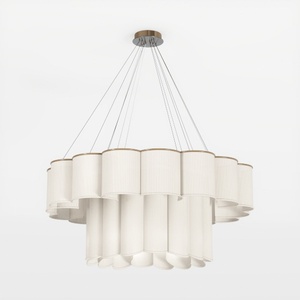
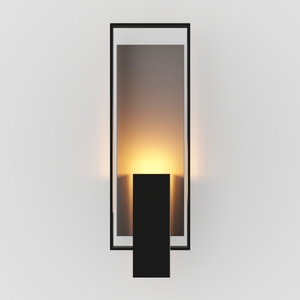
Round tables flourish under well-placed, adjustable pendant lights. Aim for consistent illumination: target 300 to 400 lux for dining, and up to 500 lux for task areas, while safeguarding against glare with diffusers or shaded lighting. Aligning with IES recommendations helps determine the ideal brightness for different applications. Utilizing warm to neutral white lighting (3000 to 3500K) enhances the visual appeal of food while avoiding overwhelming amber tones; a small wall sconce can soften the appearance of vertical surfaces and deepens the perceived spatial area.
Ergonomics and User Experience
Edge shapes are crucial to comfort. Rounded or softly chamfered edges are more forgiving to forearms than sharp, square ones—particularly in close quarters. Standard dining tables typically sit at a height of 28 to 30 inches; pair this with seat heights of 17 to 19 inches. Ensure there is enough foot clearance around the pedestal—around 6 to 8 inches is considered comfortable. Maintain an adequate distance of 12 to 14 inches between chairs to prevent elbow clashes.
Layout Tips for Micro-Dining
Softening corners can greatly enhance both physical and visual flow. Position the table slightly away from walls (6 to 10 inches) to facilitate easier access and avoid a cramped appearance. Align the table’s center with the room’s strongest aesthetic element—be it a window, a pendant light, or cabinetry—to ground the overall design. If your galley layout requires a pass-through, lean the table toward one side and maintain a 36-inch wide path on the working side. For quick adjustments, tools like Homestyler can help visualize chair counts, base footprints, and clearances without the hassle of constant re-drawing.
Storage and Flexibility Options
Consider options like gateleg or drop-leaf tables; they can minimize space usage during weekdays and expand when hosting guests. A slim wall shelf placed behind the seating area is perfect for stowing placemats and stackable stools. Rolling carts can double as serving stations—pull them up beside the table for drinks and tuck them under counters to free up floor space when not in use.
Acoustic Comfort in Cozy Spaces
Hard surfaces in kitchens can amplify noise. To counter this, introduce a soft area rug under the table (with low pile to avoid chair movement issues), padded seats, and a fabric lampshade. These minor sound-proofing elements can significantly dampen sound reverberation, improving conversation quality without the need for raised voices—a subtle yet impactful enhancement in smaller homes.
Achieving Visual Harmony and Color Impact
I strive for a sense of rhythm: incorporating round design elements within fixtures like pendant canopies or circular wall mirrors echoes the table’s shape, organizing the overall look. Employ cooler, lighter shades to create a sense of openness; balancing with a darker feature (potentially the table base) adds contrast. If the space feels visually crowded, simplify chair designs and allow the table to become the focal point.
Emerging Trends for 2024–2025
The market is currently trending towards compact, sculptural pedestal tables in a range of powder-coated colors, accompanied by slender upholstered seats made from easy-care materials. Matte surfaces, rounded edges, and subtle color palettes are becoming increasingly prominent—reflecting a shift towards understated tactile experiences. Sustainability remains a driving force behind the use of lighter, repair-friendly materials and adaptable designs that cater to changing needs in smaller spaces.
Quick Reference Size Guide
• 30–32 inch round: comfortably seats 2 to 3, ideal for studio kitchens.
• 34–36 inch round: allows for 3 to 4 people, common in cozy breakfast areas.
• 40–44 inch round: accommodates 4 guests, suitable for compact dining spots.
• 46–48 inch round: seats 4 to 5, but only if space allows for easy flow.
Maintain 30 to 36 inches of clearance in main pathways and no less than 18 to 24 inches behind chairs when space is limited.
Buying Tips 1: Essential Considerations
First, align table diameter with clearances, not just guest capacity. Opt for pedestal bases, armless chairs, low-gloss finishes, and adjustable lighting. Always check chair widths and the possibility of stacking if you entertain frequently.
Buying Tips 2: Arrangement and Styling
Position the pendant directly above the table, opt for a low centerpiece, and subtly coordinate materials—like a matte black base with charcoal chair legs, or a light top complemented by bright upholstery. Choose a circular rug that extends 24 inches beyond the table’s diameter to keep chairs on the rug when pulled out.
Frequently Asked Questions
Q1: What size round table is suitable for two people in a studio kitchen?
A 30 to 32 inch diameter is typically ample for two people while ensuring enough space to move around. If occasional seating for three is necessary, a 34 inch table could be considered with slim, armless chairs.
Q2: How much space should I leave around a round table?
Plan for 30 to 36 inches along main walkways and at least 18 to 24 inches behind chairs where space is limited. These dimensions align with standard comfort guidelines for movement.
Q3: Are pedestal bases superior for limited spaces?
They often are ideal since they minimize knee collisions and allow chairs to slide in more easily. Ensure the pedestal is sturdy and wide to maintain stability.
Q4: What is the correct seat height for standard round dining tables?
Match table heights of 28 to 30 inches with seat heights of 17 to 19 inches. In tight spaces, favor armless designs and shallow seat depths.
Q5: What lighting temperature is best over a small round table?
Neutral warm light (3000 to 3500K) keeps dishes looking appetizing while providing adequate brightness. Aim for about 300 to 400 lux over the table when dining.
Q6: Can a dark table function well in a compact area?
Absolutely, it can be balanced with light walls, neutral upholstery, and sufficient ambient light. It's essential to maintain matte or low-gloss finishes to minimize glare and visual weight.
Q7: What chair width is appropriate for seating four at a 36 to 40 inch round table?
Aim for armless chairs with widths between 16 to 18 inches. Slim designs and open back styles can help fit four without making the space feel cramped.
Q8: Are drop-leaf round tables robust enough for everyday use?
Well-constructed gateleg or drop-leaf tables made from solid wood or robust laminate can withstand daily use. Check the hinges and supports for stability before purchasing.
Q9: How can I minimize noise in a hard-surface kitchen?
Incorporate a low-pile rug, padded seating, and a fabric or diffusing pendant light. These elements reduce noise echo and facilitate clearer conversations.
Q10: What common layout pitfalls should I avoid?
Avoid pushing the table against a wall with trapped seating. Leave a small gap, ensure door swings are clear, and maintain accessibility to appliance zones.

Homestyler is your go-to online home design platform, perfect for bringing your vision to life. With its easy-to-use design tool, stunning 3D renderings, an array of inspiring design projects, and helpful DIY video tutorials, creating your dream space has never been easier!
Дизайн сейчас бесплатно
































