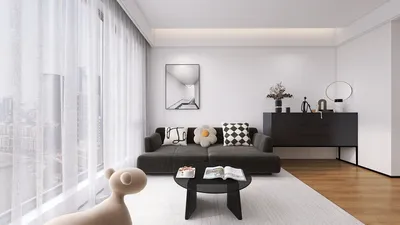


A circular kitchen table can serve as a subtle yet significant addition to a compact floor plan. By eliminating corners, it enhances movement flow, minimizes visual weight, and allows for versatile dining use in spaces that also function as prep areas, homework spots, or late-night work spaces. In my projects focusing on limited space, round tables consistently help decrease collisions and create smoother navigation routes, particularly around door swings and appliance areas.
In smaller kitchens, both geometric design and comfort need to be validated, rather than just looking attractive. The WELL v2 standard suggests lighting that promotes visual clarity and circadian wellness; therefore, aim for task lighting between 300 and 500 lux at the table's surface, keeping glare under control with diffusing shades. Research by Steelcase correlates well-maintained posture and proximity with a 23% boost in perceived productivity; applied to dining, this indicates choosing seat heights from 17 to 19 inches and table heights of approximately 28 to 30 inches to ensure comfortable positioning for knees and elbows. These guidelines help small round tables feel spacious without overwhelming the area.
The flow of movement is just as crucial as table size. Studies from Gensler reveal that clear spatial layout and unobstructed paths lead to improved user experiences; in kitchen setups, maintaining a minimum of 30 inches of clearance around the table is vital, ideally 36 inches near doors, ovens, and dishwashers. In snug arrangements, a round table measuring 30 to 36 inches typically accommodates two people comfortably; 38 to 42 inches fits three; while sizes ranging from 44 to 48 inches seat four when combined with armless, narrow-profile chairs. For establishing clearances and planning chair movement arcs, utilizing a room layout tool like Homestyler can assist in visualizing movement paths effectively.
Selecting the Appropriate Diameter and Base
The diameter determines functionality, while the base influences comfort. In tight spaces, I prefer pedestal bases as they eliminate incongruities with corners and allow for closer chair placement. For two people, a diameter of 30 to 34 inches with a pedestal provides intimate interaction with an optimal reach distance between 18 and 20 inches—perfect for shared meals. For four individuals, 42 to 48 inches is ideal. If you occasionally need to seat five, choose a slender pedestal base and add a narrow bench on one side for additional flexible seating.
Enhancing Circulation and Door Swings
Round tables excel in facilitating movement. First, define the appliance swing arcs: ovens typically require 20 to 24 inches when opened, while dishwashers need about 21 to 25 inches. Position the table's center away from these arcs and create slip zones with at least 30 inches of space around its perimeter. In galley kitchens, orient the table so the widest space faces the sink and prep areas; a circular table helps mitigate tight spots in corridors.
Lighting That Enhances Functionality and Aesthetics
Round table tops are ideally paired with centered, diffused pendants. Keep the lighting fixture positioned 28 to 34 inches above the table to balance glare and lines of sight. Using warm-white LEDs around 2700 to 3000K can enhance the appearance of food, and incorporating a dimmer switch allows for easy transition from task-focused to ambient lighting. The WELL standard's focus on glare reduction underscores the importance of protecting the bulb and choosing matte or frosted diffusers. If the table also serves as a workstation for laptops, aim for surface lighting between 300-500 lux; additionally, consider a low-glare task lamp to provide contrast without overwhelming the space.
Material Selections for Small-Space Serenity
Table surfaces have a significant impact on perceived scale. Light, low-gloss materials can make the table appear smaller, while high-contrast surfaces might visually anchor it, risking a sense of heaviness. I prefer matte composites, sealed woods with subtle grains, and softly rounded edges to diminish harshness. For durability, compact laminates or ceramic materials are excellent choices for kitchens that require resistance to heat and stains. Opt for slim beveled edges to further minimize visual bulk.
Smart Seating Options: Armless, Stackable, and Sleek
Armless chairs are the unsung heroes of small kitchens. Look for seat widths between 16 and 18 inches, and seat depths around 16 to 17 inches for ease of storage. Chairs with open backs allow for light penetration, reducing the visual weight in the area. If you need versatility, pairing two stackable chairs with a narrow bench provides flexibility; benches can be tucked completely under a pedestal edge, freeing up valuable circulation space when not in use.
The Psychology of Color in Small Dining Areas
Color has the power to alter spatial perception. Cooler shades, such as soft gray-blue or pale sage, give the illusion of lightness in the table's presence. Insights from Verywell Mind highlight that the color blue is linked to tranquility and focus—use it sparingly in items like linens or chair upholstery to create a calm atmosphere in bustling kitchens. Warm accents, such as terracotta napkins or oak veneer, can add a sense of warmth without adding weight to the visual profile. Keeping high-saturation colors small and movable (like placemats or flowers) enables flexibility in your palette throughout the seasons.
Enhancing Acoustic Comfort for Collaborative Projects
Small kitchens can amplify sound. Incorporating a felt-backed rug or cork underlayment beneath the table area can help muffle the noise from dishes and cutlery. Upholstered seat cushions with woven fabrics minimize scraping sounds, and adding wall-mounted acoustic panels or cork boards near the dining area not only cuts down on echoes but also serves as a family organization center. Strive for a balanced mix of hard surfaces; excessive glass or tile could extend reverberation durations and elevate stress.
Layout Techniques: Nook, Corner, and Island Preferred
Three dependable positions include a banquette nook, a corner recess, or the edge of an island. In a nook, a 36 to 42-inch round table with a pedestal pairs beautifully with a low-profile bench; consider a floating shelf for napkin and charger storage away from the table. In a corner, let the curve of the table align with the wall; this shape offers more space for movement compared to a square of similar size. At the edge of an island, a 30 to 34-inch café table provides additional seating without adding clutter—align the table tops within 1 inch for a cohesive look. To refine any of these placements, a Homestyler layout tool offers quick testing of traffic flow and chair pull-outs.
Ergonomics: Human Considerations for Effortless Meals
Comfort resides in the details: aim for table heights of 28 to 30 inches, a knee clearance of around 24 inches, and ensure elbow alignment allows forearms to rest at approximately 90 degrees. A chair seat height of 17 to 19 inches generally suits most adults. Keep the table’s footprint compact while ensuring generous legroom—this is yet another reason why pedestal designs excel in tight spaces. For homes catering to multiple generations, consider having one adjustable-height chair to support children’s reach without crowding the table's diameter.
Sustainability Without Excess Bulk
Compact dining doesn't have to compromise on ecological responsibility. Opt for FSC-certified wood, water-based finishes, and modular components that enhance longevity without adding visual weight. Go for repair-friendly surfaces—solid woods can be refinished, while composite stones resist stains and require minimal upkeep. A lightweight table that endures is far more sustainable than a heavy centerpiece that will be discarded; keep proportions aligned with practical use.
Styling: Emphasize Lightness and Layers
Centerpieces should be minimal and narrow—consider a single bud vase or a petite bowl—allowing for coexistence of plates and laptops. Use a round rug that is 24 to 30 inches larger than the table to stabilize chairs and avoid tripping hazards. In extremely tight spaces, forgo the rug and opt for felt glides to maintain a clean visual profile.
When to Opt for Drop-Leaf or Expandable Tables
Drop-leaf round tables are a lifesaver in very small rooms. When the leaves are down, a 26 to 30-inch circle suffices for one person; – when the leaves are raised, it can comfortably accommodate three or four. Confirm that the hinges are sturdy and the leaf supports lock firmly to prevent instability. For hosting scenarios, consider a round table with a central butterfly leaf that can extend to an oval shape—making it straightforward to open, stable, and offers extra elbow room, all without needing a second table.
FAQ
Q1: What is the best diameter for a two-person kitchen?
A1: Aim for a diameter of 30 to 36 inches. This allows for 30-inch circulation zones and maintains comfortable distances for shared dishes.
Q2: Is a pedestal or four-legged base better for tight spaces?
A2: Pedestal bases minimize knee conflicts and allow for chairs to be tucked closer, making them ideal for cramped areas.
Q3: At what height should lighting hang over a round table?
A3: Pendant lights should be set 28 to 34 inches above the table, using warm 2700 to 3000K LEDs and diffusers to minimize glare and shadows.
Q4: Can a 42-inch round table accommodate four people comfortably?
A4: Yes, it can seat four with armless, slim-profile chairs. For larger chairs, consider opting for 44 to 48 inches to avoid elbow collisions.
Q5: What clearance should I provide around the table?
A5: A minimum of 30 inches is essential; aim for 36 inches where appliance doors open or in main traffic areas.
Q6: Are drop-leaf tables stable enough for daily usage?
A6: Well-constructed drop-leaf mechanisms with locking supports are dependable. Always check the hinge quality and leaf alignment before purchasing.
Q7: Which materials offer lightness combined with durability?
A7: Sealed oak, compact laminates, and ceramic composites provide a balance between robustness and a low visual profile. Matte finishes help in reducing glare.
Q8: How do color choices affect perceived size?
A8: Cooler, softer hues provide a backdrop that minimizes the table's presence. Utilize brighter colors in a restrained manner with movable accents.
Q9: What table height pairs well with standard dining chairs?
A9: A height of 28 to 30 inches for the table aligns perfectly with seat heights of 17 to 19 inches to maintain neutral elbow positioning.
Q10: How can I reduce noise in a compact kitchen?
A10: Incorporate soft materials—like felt-backed rugs, upholstered cushions, and cork boards—to absorb sounds and reduce echoing.
Q11: Is an oval table preferable to a round one for accommodating more guests?
A11: Expandable round tables that transform into ovals provide extra elbow space while ensuring smooth movement in daily setups.
Q12: What is the safest type of edge profile?
A12: Rounded or bullnose edges minimize the risk of injury and visually streamline the table’s shadow line.

Mid Century Solid Wood Leather Lounge Chair and Ottoman 3D Model
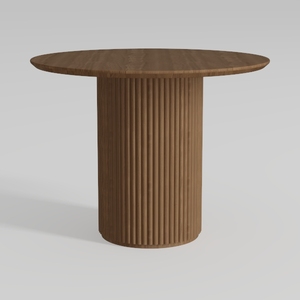
Minimalist Solid Oak Round Fluted Dining Table 3D Model
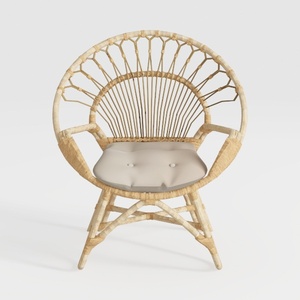

Bohemian Rattan Peacock Accent Chair with Linen Cushion 3D Model
Homestyler is your go-to online home design platform, offering an intuitive design tool, stunning 3D renderings, and a wealth of DIY video tutorials. Transform your ideas into reality effortlessly, whether you’re a beginner or an experienced designer. Explore endless possibilities for your home today!
立即免费设计
































