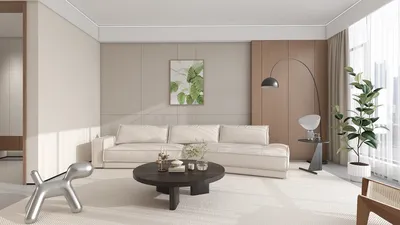


I once installed a pair of plug-in wall lights upside down simply because I relied too heavily on the fixture diagram. However, the client appreciated the quirky aesthetic, and it taught me a valuable lesson: small areas can ignite significant design ideas.
1. Bedside Task Lights That Don’t Require an Electrician
I enjoy incorporating plug-in swing-arm wall lights next to beds in compact apartments. They not only maximize bedside table space but are also easy to relocate. The primary advantages are clear: there’s no need for hardwiring, installation is simple and can be done as a DIY project, and the arms can be adjusted for reading. The only minor issue might be visible cords, which I typically camouflage with a sleek cord cover that matches the wall color or run behind the headboard.
save pin
2. Layered Lighting in Studio Layouts
In studio apartments, I utilize plug-in wall sconces to achieve layered lighting: ambient, task, and accent. They are effective for creating defined areas without the need for rewiring; for instance, a sconce placed over a sofa can delineate a cozy living space. However, this sometimes results in fewer built-in switches, which I resolve by using smart plugs or inline switches, ensuring that clients can control various light groups easily.
save pin
3. Accent Lighting for Artwork and Shelves
Plug-in picture lights or mini wall washers can accentuate art and shelves in a small hallway or gallery wall. The key benefits are affordability and flexibility: you can rearrange artwork and shift the light without needing an electrician. The noteworthy challenge is heat and bulb selection — I prefer LED plug-in fixtures to eliminate heat concerns and safeguard artwork.
save pin
4. Temporary Solutions for Rental Spaces
Renters appreciate plug-in wall lights because they help avoid lease violations and can accompany them when moving. I’ve installed dimmable plug-in sconces to create a welcoming dinner nook in a rental kitchen — a quick enhancement that comes with no risk of losing a deposit. The downside is fewer flush options near door frames, so choosing low-profile bases or adhesive mounting where suitable is advisable.
save pin
5. Smart Lighting Integration Without Remodeling
If you're seeking smart control without the hassle of opening up walls, plug-in wall lights paired with smart plugs or voice assistants are an excellent solution. In a recent condo project, I employed plug-in uplights positioned beside a TV to minimize eye strain, integrating them into various scenes. A minor limitation is being aware of the Wi-Fi range; typically, a mesh extender resolves this issue.
Interested in testing room layouts with these designs? I frequently use a room planner to sketch initial arrangements and experiment with light placements before selecting fixtures, often utilizing software like Homestyler for this purpose.
save pin
FAQ
Q: Are plug-in wall lights safe? A: Yes, as long as you use reputable plug-in fixtures as directed; always adhere to manufacturer instructions and avoid overloading outlets. If dealing with older wiring, it’s wise to consult an electrician.
Q: Can plug-in lights be installed in bathrooms? A: Generally, it’s best to avoid this unless the fixtures are specifically rated for damp areas. Always use lights with appropriate IP ratings and observe local regulations.
Q: How can I neatly conceal the cords? A: Employing paintable cord covers, concealing cords behind furniture, or threading them through decorative trim are effective and budget-friendly methods.
Q: Will using plug-in lights cause damage to walls? A: Most require screws or adhesives; while adhesive strips can peel paint upon removal, choosing damage-free options or using screws with wall anchors is advisable for long-term usage.
Q: Is it possible to control plug-in wall lights with a wall switch? A: Absolutely — you can connect the lamp to an outlet controlled by a wall switch, utilize an inline cord switch, or employ a smart plug for collective control.
Q: Are LED bulbs compatible with plug-in fixtures? A: Certainly — LED bulbs work exceptionally well with plug-in lights due to their heat efficiency and energy conservation.
Q: What’s the best way to determine brightness and color temperature? A: For task areas, aim for 2700–3000K warmth; reading zones generally benefit from 3000–4000K and 400–800 lumens depending on the distance involved.
Q: Where can I visualize light placements in 3D? A: To realistically test layouts and preview cord placements, using a 3D floor planner like Homestyler is incredibly beneficial — it allows you to see multiple fixture arrangements prior to making a purchase. For safety and technical information about lighting and electrical codes, always refer to trusted resources like the National Electrical Code (NEC).
save pin


Transform your home design dreams into reality with Homestyler! This user-friendly online platform offers an amazing design tool, stunning 3D renderings, a wealth of design projects, and inspiring DIY video tutorials. It's perfect for both beginners and experienced designers looking to unleash their creativity!
立即免费设计
































