

In many compact living rooms, L-shaped sofas have become my go-to choice. They establish a focal point without being overwhelming, provide ample seating, and create a natural flow within the space. By carefully selecting the right proportions, arm designs, and leg heights, an L-shaped sofa can actually enhance the perception of space, making a small room appear more open rather than confined. I focus on maintaining clear corner shapes, slim designs, and elevated bases that expose more flooring, providing an optical illusion of a larger area.
The importance of thoughtful spatial planning is well-documented. According to Gensler’s Workplace Survey, the selection of seating and the way space is utilized significantly impact comfort and functionality. Adaptable layouts tend to enhance user satisfaction across different environments. From a lighting perspective, practices endorsed by IES stress the importance of layering light and controlling task-based glare, especially in areas near corner seating where light contrast can make a room feel either spacious or cramped. WELL v2 also highlights the role of visual comfort and glare reduction in enhancing occupant wellness. I consistently apply these principle-driven guidelines when integrating L-shaped seating with appropriate lighting, ensuring small rooms remain bright yet tranquil. For testing layouts, consider employing a room planning tool to swiftly visualize traffic patterns and sightlines as you modify sofa sizes and orientations.
Choosing the Correct Scale and Profile
When it comes to small living rooms, the dimensions of the L-shaped sofa should correspond with the longest wall and the main sightline. I usually prefer seat depths between 32 and 36 inches to maintain comfort without consuming excessive floor space. Opting for low, narrow arms (3 to 5 inches) and lifted legs (5 to 7 inches) helps maintain a sense of lightness, revealing more floor space and enhancing the room's perceived area. A chaise measuring 60 to 68 inches typically fits well in smaller spaces while allowing proper reclining. To avoid obstructing views from windows or artwork behind the sofa, keep the back height below 32 to 34 inches.
Position the L to Define Areas
Adjusting the orientation of the L-shaped sofa can help frame conversation zones while maintaining traffic flow. In limited spaces, position the longer segment against the wall that has the fewest openings (or use it as a media wall), with the shorter segment or chaise directed toward the window for natural light. Allow for a minimum of 30 to 36 inches in main pathways, and provide 18 inches between the seating area and coffee table for comfortable reach and movement. If you face layout challenges, using an interior design planner can help experiment with visibility, viewing angles, and door clearance.
Open Bases, Narrow Arms, and Fitted Cushions
Achieving visual balance is crucial. Sofas with boxy bases can dominate the light; hence, opt for open bases to allow light flow. Slim arms offer support without adding bulk, while tailored, lean cushions prevent the L from becoming too prominent in the room. I often select single-bench cushions for the longer side to create clean lines and minimize visual clutter. For the shorter side, a chaise cushion can help mark the lounging area without overly segmenting the space.
Understanding Color Psychology and Fabric Choices
Colors significantly influence the perception of size. Soft, muted neutrals with warm undertones—like taupe, greige, or mineral gray—tend to blend beautifully with walls, enhancing sightlines. Resources like Verywell Mind point out that cooler colors can evoke feelings of calmness and width; for instance, a light gray-blue sofa may lessen visual weight. Selecting durable, tightly woven fabrics like performance polyester-linen blends or microfibers helps maintain crisp profiles. For homes with children or pets, selecting stain-resistant materials in medium tones can be more forgiving than stark white.
Lighting Environment: Layered, Low-Glare Illumination
To create an illusion of space in smaller rooms, balanced lighting is essential. Aim for a combination of ambient (like ceiling lights), task (such as floor or table lamps near the chaise), and accent lighting (like wall washers for art). Be mindful of glare around the L’s corner—utilizing diffused shades, matte finishes, and dimmable fixtures can help mitigate harsh contrasts. I prefer warm-white LEDs (2700–3000K) for comfort, with a cooler accent (3000–3500K) to enhance brightness, adhering to IES guidelines for glare management. Position floor lamps behind the short end of the sofa, away from traffic paths, to maintain an airy atmosphere.
Enhancing Acoustic Comfort in Small Spaces
An L-shaped sofa can help to absorb sound and establish a gentle boundary, but in compact areas, noise can still be an issue. To reduce echo, layer a rug (using dense materials sized 8x10 or appropriate to the seating area), incorporate lined drapery, and add soft furnishings along reflection points of the L. If the TV faces the longer side, consider slightly angling the chaise to interrupt parallel hard surfaces.
Flexible Layouts: Chaise Variability and Floating Designs
In small spaces, L-shaped sofas that allow for the chaise to be flipped are highly advantageous. Floating the sofa slightly away from the wall (about 4 to 6 inches) creates a shadow line, which can visually enlarge the area. When the layout calls for it due to doors or windows, angling the shorter side by 5 to 10 degrees can help align with the traffic flow, while using a layout simulation tool helps visualize these minor adjustments before finalizing the setup.
Considerations for Comfort: Seat Height, Angles, and Reach
User comfort is often dictated by small details. Aim for seat heights of 17–18 inches for easy getting up, and keep back angles close to 100–110 degrees for optimized seating without slouching. Maintain about 18 inches of reach to the coffee table for easy access to drinks or laptops and 24 inches of clearance to side tables adjacent to the chaise. These measurements help diminish awkward movements and the feeling of crowding.
Material Choices and Sustainability
Select kiln-dried hardwood frames for durability, sinuous springs for a sleeker look, and high-resilience foam layered with fiber for enhanced comfort without added volume. Choose recycled performance fabrics and Forest Stewardship Council (FSC) certified frames to promote sustainability. If the chaise is exposed to sunlight, opt for UV-resistant textiles to prevent fading and deterioration of the fibers.
Creating Visual Rhythm: Balancing Heights and Lines
Small spaces thrive on a careful rhythm of design elements. By varying heights gently—lower sofas, mid-height side tables, and a taller floor lamp—you can maintain visual interest without cluttering the view. Align the L’s longer segment with a rug or a low console to create a serene horizon line. Avoid excessive vertical interruptions (such as high backs or tall shelving) that can block sightlines.
L-Shaped Sofas with Integrated Storage
In tight locations, consider options like under-chaise drawers or lift-top designs. Ensure hardware sits flush with the surface and avoid cumbersome ottomans that interfere with traffic flow. If more storage is necessary, a slender bench placed behind the long side can serve dual purposes by holding throws and acting as seating.
Practical Layout Examples
• For a narrow living room: an L-shaped sofa with a 78–84 inch long section and a right-arm chaise at 62 inches. Float it 4 inches away, place a 48x24 coffee table 18 inches from the front, and add a slender floor lamp behind the chaise corner.
• For a square living room: an 80-inch long piece with a left-arm chaise nestled on a 7x9 rug. Have side tables at 24 inches high with 22-inch diameter tops to keep reach manageable without obstruction.
• For a bay window room: keep the long segment positioned perpendicular to the bay for ample light entry, utilizing sheer drapery and a low-back sofa to prevent obstructing views.
Credible References
For insights on spatial efficiency and user satisfaction, refer to Gensler’s research publications. WELL v2 offers valuable guidance on visual comfort and glare management that complements IES lighting best practices. These materials assist in translating design choices—such as sofa positioning and lamp selections—into measurable comfort experiences.
Frequently Asked Questions
For optimal layout, consider a long run of approximately 78–84 inches paired with a chaise of 60–68 inches, and aiming for a seat depth around 32–36 inches. Ensure arms are slender and legs are elevated to enhance visual lightness.
Maintain 30–36 inches for main pathways and 18 inches of space between the sofa's front and the coffee table. Side tables should be around 24 inches high with at least 18–24 inches of clearance.
Place the long section against the wall with the least doors and direct the chaise toward windows to enhance daylight access. Be mindful of avoiding any blockages in sightlines toward media and ensure lamp placement is gentle to manage glare.
Opt for modular designs that feature reversible chaises for flexibility as door and window placements change. This allows for reconfiguring without needing to replace the entire sofa.
Choose mid-tone, tightly woven performance fabrics to maintain crisp edges and reduce visual weight. Fabrics resistant to UV will be preferable near windows, and stain-resistant treatments are beneficial for homes with children or pets.
Ensure to incorporate ambient, task, and accent lighting. Warm-white LEDs promote comfort, while adding a touch of cooler hues can elevate brightness without creating glare in corners.
Utilize a dense rug sized appropriately for the seating area, coupled with lined curtains and soft accessories positioned at reflected sound points. A slight angle on the chaise can help break parallel hard surfaces.
Choose a rectangular coffee table measuring 48x24 inches for narrow rooms; in square spaces, consider a 30–34 inch round table to soften corners and improve movement. Maintain an 18-inch reach distance for accessibility.
Absolutely. Floating the sofa by 4–6 inches creates a shadow line that visually enlarges the room's edges while also improving airflow and access for cleaning.
Utilize storage options like under-chaise drawers or a lean bench behind the longer side. It's advisable to avoid bulky storage poufs that can encroach on circulation space.
Light neutral colors and cool tones promote a sense of calm and openness. Coordinate your sofa’s coloration with the walls for a seamless transition that enhances sightlines.
Typically yes. A back height below 32–34 inches helps to keep windows, and artwork clearly visible, reducing visual weight, especially in areas with abundant natural light.

Lazzo Rattan Coffee Table Mid Century Modern Cente

Minimalist Solid Wood Linen Armchair with Throw Pillow 3D Model
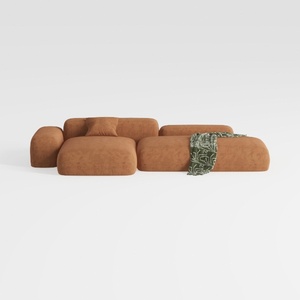
Minimalist Brown Fabric Modular Sectional Sofa 3D Model
Homestyler is an outstanding online home design platform that empowers you to create stunning spaces with ease. Utilize its user-friendly design tool, explore a vast library of 3D renderings, browse exciting design projects, and learn through engaging video tutorials. Transform your home design dreams into reality!
立即免费设计
































