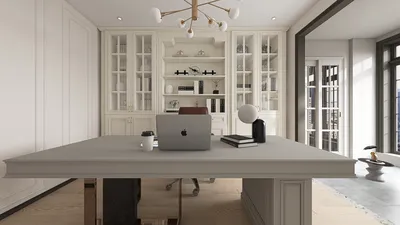


Glass-top kitchen tables are a subtle design triumph for compact areas. Their transparent surface reduces visual weight, enabling light to flow through and maintaining open sightlines—crucial when space is limited. In tight kitchens, natural light and a sense of openness significantly enhance comfort and efficiency. According to WELL v2 guidelines, controlling glare and achieving balanced lighting are vital for visual comfort. Moreover, the Illuminating Engineering Society suggests a range of 300-500 lux for task areas in kitchens to minimize eye strain. When integrating glass tables, I pay careful attention to the pairing of task and ambient lighting, ensuring that the glass top feels crisp without overwhelming glare, which ties in well with tools like Homestyler for layout ideas.
Beyond lighting, the ability to navigate and work efficiently is what makes a small table an asset rather than a hindrance. Research by Steelcase has consistently shown that spaces designed for smooth movement and flexible collaboration boost user satisfaction and productivity. These same concepts apply to homes—clear pathways reduce friction during meal preparation and dining. In narrow kitchens, a compact round or oval glass top with a central pedestal optimizes knee space. Conversely, in a galley kitchen, a slim rectangular table oriented with the flow of traffic enables intuitive movement. Utilizing layout simulation tools such as Homestyler can help visualize these arrangements to ensure effective usage of space before finalizing your setup.
Select the Appropriate Table Shape for Spatial Harmony
The shape of your table plays a crucial role in maintaining proportional balance. Round glass tops soften the look of tight, busy kitchens, facilitating easier movement while accommodating two to four seats without obstructing pathways. Choosing a pedestal base further alleviates clutter, creating an airy atmosphere. Rectangular tables excel placed against walls or windows, doubling as preparation surfaces with stools tucked underneath. For unique architectural features like bay windows, small oval tops minimize obstruction while keeping a linear arrangement for seating. I recommend allowing at least 36 inches of clearance in the main aisle. If space is particularly constrained, opt for a round pedestal table and armless chairs to enhance flow.
Pair Glass with Warm, Low-Glare Lighting
Glass surfaces can intensify brightness if lighting fixtures are inappropriate. I prefer pendant lights that emit a softer, diffuse glow, using warm-white lighting around 2700–3000K for dining areas, and a separate task lighting layer at 3500–4000K for preparation spaces. According to IES guidelines, kitchen task lighting ideally falls between 300-500 lux; employing dimmable circuits allows for an easy transition from the brightness of breakfast to the softness desired in the evening. To minimize reflections on the glass, I choose frosted diffusers or fabric shades and hang pendants 28-34 inches above the tabletop for pleasant sightlines, counterbalancing any glossy surfaces nearby with matte finishes for a serene visual experience.
Base Selection: Pedestal, Trestle, and Sled
In smaller kitchens, the choice of table base significantly impacts usability. I find pedestal bases ideal for small dining setups, offering maximum knee space and accommodating easy slide-in seating. Trestle bases introduce a stylish touch and can visually anchor long tables; however, ensure that the stretcher height is low enough for feet to pass over effortlessly. Slim sled bases provide a modern appearance and work well with banquettes, but it's important to verify that these bases do not extend beyond the legs of the chairs to prevent tripping. For maintaining a clean look, I prefer brushed or powder-coated finishes on glass tabletops, as these are less prone to glare and fingerprints compared to their mirror-polished counterparts.
Seating Choices Influence Behavior
The types of chairs selected can significantly alter the dynamic of your kitchen space. Armless, low-back chairs can be tucked away neatly, lowering visual obstruction. Upholstered seating offers additional acoustic properties, making open-concept kitchens more inviting. If hosting is a common occurrence, consider having a couple of stackable or nesting stools readily accessible. A bench along one side can also transform a narrow rectangular glass table into a cozy breakfast nook, with optimal dimensions sitting around 16-18 inches deep and a recommended back angle of 10-12 degrees for ergonomic ease. In confined corners, a semicircular banquette that wraps around a round table maximizes seating without dispersing chairs throughout the area.
Material Combinations: Color, Texture, and Care
Clear glass adds an airy feel to the space but may appear cold if the surrounding decor features a gray tone. Introducing wooden bases in warm hues, woven seating, or a matte powder coat can create balance. Using frosted or low-iron glass reduces the greenish tints that can clash with light cabinetry. For easy maintenance, choosing tempered glass with a nano-ceramic finish helps repel fingerprints. In homes with plenty of sunlight, incorporating woven roman shades can help control reflections on the table during peak daylight. For high-traffic households, opting for rounded edges can lessen the likelihood of bumps; a 1/2 inch beveled edge provides a comfortable surface during meals.
Scale and Proportions: Ensure Correct Sizing
For two diners, a round table measuring 30-32 inches is both intimate and space-efficient. For four people, aim for 36-40 inches of diameter, moving toward 42 inches if seats are larger. Narrow rectangular tables (24-28 inches deep) work well when placed against a wall, with a length between 36-48 inches suited for everyday dining. Always allow for 24 inches of space per diner to ensure shoulder comfort. If storage options are limited, I recommend a table base with a small shelf for placemats and napkins, avoiding cumbersome under-table storage that could disrupt legroom and lightness.
Design Strategies for Compact Kitchens
In U-shaped kitchens, position a small round glass table in the central bay only if there’s at least 36 inches of clearance around the knee-to-counter area. For L-shaped kitchens, a rectangular glass table can enhance the short leg while maintaining the work triangle. In studio apartments, angling a round table toward the window and matching it with two chairs can create a focal point while preserving smooth circulation. Utilizing an interior layout planner such as the room layout tool in Homestyler assists in navigating clearances and furniture placements, ensuring there are no conflicts with doors or chair movements.
Understanding Light Psychology: Color Temperature and Atmosphere
Awareness of color psychology suggests that warmer lighting helps foster relaxation, while cooler, neutral tones can enhance alertness. Extremely warm lighting, around 2700K, creates an inviting environment for evening meals, while morning routines benefit from task-focused lighting at 3500K. Striking a balance between the table’s illumination and the broader kitchen design prevents overwhelming brightness or excessive dullness. Avoiding sharp reflections reduces cognitive strain, fostering a more comfortable conversational atmosphere.
Acoustic Comfort in Hard-Surfaced Kitchens
Many small kitchens feature hard materials like tile, stone, and glass, which can contribute to noise reverberation. Incorporating a rug under the table that’s easy to clean, soft furniture, and textile window treatments can absorb sound, promoting a serene ambiance. If appliances are noisy, soft materials can help muffle that sound. While glass tops themselves don’t amplify noise, the sound of tableware can be more pronounced on hard surfaces—using placemats or felt bumpers can help soften these sounds during meals.
Smart Storage Solutions
When selecting chairs, opt for those that can stack and slide easily beneath the table. Positioning wall-mounted shelves near the table keeps frequently used items within easy reach, which helps minimize clutter on the glass surface. A slim, mobile serving cart can be positioned alongside a rectangular table, serving dual purposes as a buffet for special occasions and an unobtrusive addition during regular meals. In very limited kitchens, a drop-leaf glass table offers compact storage on regular days while expanding for guests; be sure to check the quality of hinges for stability and alignment.
Styling: Create a Collected Look without Clutter
To maintain open sightlines, keep the centerpiece low and narrow—consider a shallow bowl or a delicate vase. Glass pairs beautifully with contrasting textures, so consider using textured linens, matte ceramics, or a single piece of warm wood. If your kitchen features minimal decor, a smoked or bronze-tinted glass top adds depth without overcrowding the design. Anchoring the table with a small rug can ground the space if the flooring feels vast; a low pile is preferable for ease of cleaning.
Safety and Longevity
When selecting glass, go for tempered varieties, which provide enhanced strength and shatter into smaller, less harmful shards upon breakage. Protect your surface by using trivets for hot pots instead of placing them directly on the table to avoid thermal stress. Ensure that the base is stable—no wobbling—and check that felt glides are in place for smooth chair movement that won't damage the floors. For families with young children, a round table with rounded edges and a sturdy base can minimize risks of tipping or accidents.
Guides for Improved Choices
Utilizing WELL and IES resources for lighting specifications ensures practical recommendations for achieving visual comfort in kitchens. WELL’s light concept addresses glare and contrast issues, helping to create an inclusive environment, while IES standards outline optimal task lighting levels for home kitchens, promoting comfortable and functional glass-top selections day in and day out.
Frequently Asked Questions
A round table measuring 30–32 inches suits regular use well, providing ample space for plates while enabling easy movement around it.
No, as long as you use diffused pendant lights, maintain color temperatures between 2700–3000K for dining, while keeping task light levels within 300–500 lux per IES recommendations to balance reflections.
Round tables with pedestal bases minimize conflicts in corners and provide ample knee clearance; rectangular tables are great for placing against walls or windows and can function as prep spaces with stools tucked under.
Pedestal bases generally offer the most knee space, making them ideal for smaller kitchens. Trestle bases can add elegance but need careful positioning of the crossbeam.
Complement with wooden or matte metal bases, textured fabrics, and warm white lighting. Opt for low-iron or slightly tinted glass to minimize cold undertones.
Certainly. Using tempered glass enhances safety and durability; consider round edges and a protective nano-coating to help with smudges.
Aim for 36 inches on key movement paths; in tighter settings, round tables with armless chairs and pedestal bases ensure comfortable navigation.
The transparency of glass minimizes visual bulk and maintains sightlines while enhancing perceived depth, especially when properly balanced with light and organized space.
Glass doesn’t amplify sound directly, but you can mitigate noise by employing upholstered seats, rugs, and fabric treatments to decrease reverberation effects.
Frosted or coated glass can show fewer fingerprints than plain glass, though regular cleaning is still necessary. Low-iron glass provides a refined edge appearance.
Typically, pendant lights should hang 28–34 inches above the glass to ensure comfortable light distribution and unobstructed sightlines, minimizing glare.
Yes, as long as the support hinges are appropriately rated for the glass's weight. This approach is a smart way to improve dining capacity without permanent additions.


Homestyler is your go-to platform for effortless home design! With its user-friendly online design tool, stunning 3D renderings, and an array of inspiring design projects and DIY video tutorials, you can easily transform your home into a stylish haven. Start creating today!
Design Now for FREE
































