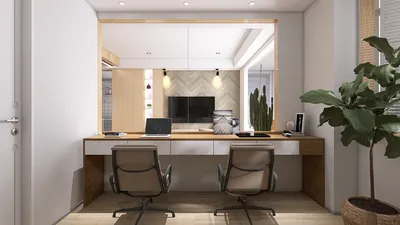


Living in a compact space doesn’t require sacrifices; instead, it calls for a clear vision and intelligent design details. In recent years, I've recommended small foldable tables and chairs for various settings, including apartments, home offices, studios, and versatile hospitality areas, where every square foot is essential. As spaces transition from dining to working and playing, foldable furniture serves as a pivotal element—lightweight, resilient, and aesthetically pleasing while integrating seamlessly with tools like Homestyler for room layout planning.
The size of your furniture plays a crucial role. According to Gensler’s U.S. Workplace Survey, 83% of employees appreciate spaces that can adapt throughout the day, directly correlating with the growing popularity of convertible furniture in both homes and hybrid work environments. The WELL v2 guidelines also highlight the importance of mobility and flexibility as crucial factors for comfort and productivity. Ergonomics is another key consideration, as I reference these standards when selecting folding mechanisms, architecturing seat shapes, and determining table heights to ensure movement and maintain an agile atmosphere. For color schemes, Verywell Mind suggests that cooler tones like soft blues and greens can alleviate perceived stress—ideal when transforming a dining area into a workspace using tools like Homestyler.
Lighting acts as a subtle yet essential complement to foldable furniture. The IES recommends task lighting between 300 to 500 lux for activities such as reading or concentrated work; placing a dimmable lamp near a foldable table ensures versatility from breakfast to emails. To minimize glare, opt for matte finishes on tables and position light fixtures away from reflective surfaces, creating a comfortable environment free from visual disturbances.
Selecting the Ideal Fold Table Dimensions
To start, choose a target footprint: between 24–30 inches (60–76 cm) deep for individual work or café-style meals; or 30–36 inches (76–91 cm) for comfortably seating two. If your space also serves as a pathway, consider rounded corners and a table height between 28–30 inches to fit most chair styles. Ensure there’s at least 24 inches (61 cm) of space behind chairs for easy movement; 30 inches (76 cm) is preferable if the area functions as a corridor.
For layouts that shift frequently, a wall-mounted drop-leaf table can be an excellent choice. In compact studios, I often combine a 30-inch-wide drop-leaf with two folding chairs hung on hooks. When not in use, the area appears spacious; when deployed, it resembles a charming café scene. If you want to test different placements prior to installation, an interior layout tool like Homestyler can assist in visualizing swing arcs, clearances, and traffic flow.
Chair Design and Comfort Considerations
Space-saving chairs must still accommodate human ergonomics. Seek out seat heights around 17–18 inches (43–46 cm) with depths of 15–17 inches (38–43 cm) to support comfortable sitting without constricting circulation. A slight back incline of 5–10 degrees supports spinal alignment. Research from Steelcase has long demonstrated the benefits of posture variability; folding chairs that allow a little flex in the backrest foster micro-movements, helping to minimize fatigue during extended use.
Weight is important for daily mobility. Chairs weighing under 10 lb (4.5 kg) ensure flexibility and spontaneity; aluminum or powder-coated steel offers a perfect balance of durability. If sound is a concern—especially in shared living situations—consider felt glides, and choose chairs with soft surfaces to insulate sounds during setup and storage.
Mechanisms, Materials, and Longevity
The folding system's heart lies in its hinges and locks. I prefer metal-on-metal pivot designs accompanied by firm locks—steering clear of indefinite friction stops. For tabletops, high-pressure laminate is scratch-resistant and easy to clean, while solid wood edges add warmth and are repairable. Recycled aluminum frames lower environmental impact while maintaining structural integrity. In moisture-rich kitchens, select sealed laminates and stainless steel hardware; for living spaces, a smoked oak veneer can create a cozy yet sleek aesthetic.
Sustainability can take a subtler form: opt for certified woods, low-VOC finishes, and materials sourced from verifiable supply chains. Studies by Herman Miller emphasize the improvements in productivity tied to environmental quality; the same principles apply at home, where clean air, tactile comfort, and adjustable lighting enhance daily routines.
Layout Strategies for Compact Spaces
The effective use of small rooms often hinges on clear circulation patterns. Position the foldable table along a primary wall to maintain an open center. If your room has windows, orient the table edge perpendicular to them to reduce glare and preserve the view. In studio settings, a rug beneath the table's footprint can delineate dining from lounging areas without adding bulk. Prior to finalizing placements, utilize an interior layout tool to visualize chair movement paths and door swings.
Color, Texture, and Visual Harmony
Color psychology significantly impacts compact areas. Verywell Mind's insights regarding soothing colors align well with foldable furniture: consider soft blue or sage shades on table edges, warm neutral seat pads, and textured matte surfaces to minimize visual noise. Create contrast between the furniture frame and wall colors for a sharp outline, while avoiding glossy finishes that amplify reflections. Pair cool shades with one inviting textural element—like cork pads or wool cushions—to balance temperature sensations.
Acoustic Considerations for Multi-Purpose Rooms
Foldable setups facilitate movement, which in turn can generate sound. If your table is positioned against a wall, consider adding fabric panels or art to absorb noise. A thin felt underlay beneath the table helps diminish vibrations on hard flooring. In shared living environments, using a plush area rug and soft chair pads can reduce mid-frequency echoes significantly, transforming any dining-to-video call transitions into a civilized affair.
Illuminating Transformable Spaces
Strive for a blend of ambient and task lighting. Target 150–300 lux of ambient light for informal dining, then increase task lighting to between 300–500 lux for reading or focused work, as advised by IES. A slim wall sconce above a drop-leaf table keeps the surface unobstructed; a portable LED task lamp can easily be stored when switching between functions. In living areas, maintain a color temperature around 2700–3500K for warmth, and opt for 3500–4000K if the primary use is as a desk.
Storage, Organization, and Daily Flow
Ensure your folding furniture has a designated storage space: a narrow niche near the entry can accommodate two chairs vertically; a low bench with a flip-top can hide table linens and chargers. Hooks placed at a height of 48–54 inches keep chairs accessible without cluttering the visual space. Designate a shallow drawer for placemats and napkins, allowing for swift transitions into dining mode. When storing, fold chairs in such a way that the seats face inward to prevent scuffing visible surfaces.
Selecting the Appropriate Style
Minimalist designs feature streamlined laminate surfaces, neutral frames, and slender profiles, making them ideal for modern studios. For a classic café aesthetic, consider bentwood chairs and compact circular tables. An industrial touch could involve powder-coated steel frames paired with thin wooden tops. Coastal styles might opt for white frames, light oak, and woven seat pads. Make sure the folding mechanism remains visually discreet, allowing the furniture piece to appear as functional decor first, practicality second.
Safety and Ergonomics
Inspect finger clearances around hinges and avoid pinch points near chair backs. If children are around, opt for folding tables with locking legs and anti-tip braces for wall-mounted designs. Verify your wall’s load capacity prior to installation, utilizing appropriate anchors for different wall types. Maintain chair frames free of sharp edges, and ensure stability on area rugs, as some folding designs require wider bases to prevent wobbling.
Budgeting and Value
High-quality folding sets don’t have to break the bank. Invest in robust hinges and frames while economizing on finish details. If cooking is frequent, prioritize heat- and stain-resistant surfaces; conversely, if you regularly work at the table, focus on ergonomic chair designs and a stable foundation. Double-check measurements before purchasing—return policies can be restrictive for larger items, even when they have folding capabilities.
Regular Maintenance
Monthly hinge inspections and seasonal bolt checks will prolong the life of your furniture. Keep a small toolkit—comprising an Allen key, felt pads, and clear wax—for quick adjustments. Avoid saturating wood; instead, use a damp cloth and dry surfaces immediately. For laminate tops, stick to non-abrasive cleaners to maintain their integrity. Replace glides before they wear out to protect your flooring.
FAQs
A table measuring 30–36 inches in width and 24–30 inches in depth comfortably accommodates two people while allowing for ease of movement. Rounded table edges facilitate circulation.
Aim for ambient lighting of 150–300 lux for dining and ramp up to 300–500 lux for task lighting dedicated to focused work, aligned with trending standards from IES on residential task areas.
Yes, for an optimal ergonomic experience, ensure the chair height is between 17–18 inches, seat depth is 15–17 inches, and the backrest allows for slight flexing; posture variability, as emphasized in Steelcase studies, diminishes fatigue.
High-pressure laminate materials resist scratches and heat, while solid wood edges bring warmth and repairability to the design. In kitchen environments, go for sealed laminates and stainless hardware for optimal performance.
To minimize noise, consider using felt glides, placing an area rug beneath the table, and selecting chairs that feature soft edges. Wall-mounted fabric art or sound-absorbing panels can help control sound frequency.
Position the foldable table against a primary wall for an open center. Aligning the table perpendicularly to windows reduces glare while maintaining views. Use a layout simulation tool like Homestyler to experiment with placements before making permanent decisions.
In compact spaces, calming hues like soft blues or greens can create an inviting atmosphere when paired with warm neutrals and matte textures to minimize visual distraction. The stress-reduction benefits of cooler tones are supported by Verywell Mind's research.
Ensure safety by checking for pinch points, confirming positive locks on hinges, and verifying the wall’s load capacity with reliable anchors for drop-leaf designs. Maintain surfaces free of sharp edges and ensure stability on carpeted flooring.
Definitely! Research by Gensler indicates users prioritize adaptability; stable folding tables combined with appropriate task lighting and ergonomic seating create an efficient transition from dining to work settings.
Employ a slim niche or wall hooks at a height of 48–54 inches. A low bench with a flip-top can conveniently store linens and other essentials, ensuring the space is organized for quick access.


COLAMY Upholstered Dining Chairs Set of 6, Modern

Modern Green Velvet Rattan Solid Wood Accent Chair 3D Model
Homestyler is your go-to online home design platform! With its user-friendly design tool, stunning 3D renderings, and a wealth of DIY video tutorials, you can effortlessly create and visualize your dream spaces. Explore exciting design projects and unleash your creativity today!
Design Now for FREE
































