


Having redesigned numerous compact living rooms where every detail counts, I found that using Feng Shui can provide a surprisingly practical perspective. It aids in optimizing energy flow (Qi), enhancing daily actions, and minimizing visual clutter. In smaller spaces, this translates to appropriate furniture sizing, clear pathways, and a tranquil sensory environment. Spaces flooded with natural light and comfortable seating can significantly boost mood and concentration. According to WELL v2, access to daylight is crucial for occupant contentment, while Steelcase's research links visual comfort to decreased stress and enhanced cognitive efficiency. The outcome is a space that feels both energetically balanced and functionally seamless.
In compact areas, data-driven solutions are immensely beneficial. WELL v2 emphasizes managing glare and supporting circadian lighting; aim for layered illumination at 2700–3000K for soothing evenings and 3500–4000K for daytime tasks. It's essential to maintain gentle brightness ratios to avoid eye strain, as outlined by WELL v2. The Illuminating Engineering Society also suggests balanced lighting to reduce contrast and discomfort in living areas. These principles align beautifully with Feng Shui: creating a bright, unobstructed pathway along with softer edges alleviates energetic dispersion, while controlled lighting fosters a stable and restorative atmosphere.
Position Your Command Space Without Obstructions
Arrange your primary seating so that you can see the entry without being directly in line with it. In a small living room, positioning a compact two-seat sofa against a sturdy wall often does the trick; you can add a light accent chair at an angle of 90–120 degrees to soften sharp corners and facilitate conversation. Ensure that there’s an unobstructed route from the door to the seating—aim for about 24–30 inches—so that the room’s Qi flows smoothly. If aligning the sofa to face the door leads to glare or drafts, adjust its angle slightly and use a rug to visually anchor the area.
Creating Micro-Zones: Combining Flow and Functionality
Instead of using partitions, define your space through scale. A low-profile rug can demarcate the conversation area, while a slender console or wall shelf can establish a reading nook. Maintain visual order by having one prominent piece (sofa) and two supportive elements (chair, table). If you're experimenting with furniture layouts before making final decisions, utilizing a room layout tool like Homestyler can aid in visualizing clearances and sightlines:
Prioritize rounded corners on coffee tables to minimize energetic sharpness, and keep the tabletop height close to that of the sofa for ergonomic comfort. Avoid bulky furniture that could obstruct movement; a sofa depth of 34–36 inches ensures comfort without overwhelming the design.
Adjusting Light: Harmonizing Daylight, Layers, and Glare
Compact rooms are particularly vulnerable to glare and strong contrasts. Strive for a balance between natural light and layered artificial lighting: incorporate a ceiling fixture for ambient lighting, a dimmable floor lamp to highlight vertical surfaces, and a task lamp near seating arrangements. Utilize warm tones (2700–3000K) for evening light to promote relaxation and neutral white (3500–4000K) during the day to maintain clarity—avoiding a clinical feel. Sheer curtains can effectively diffuse harsh sunlight while reflecting light towards the ceiling, and a darker rug or textured upholstery can anchor the space and mitigate washout.
Understanding Color Psychology: Soothing Tones with Dynamic Accents
In smaller rooms, color has the power to shape perception. Soft greens and gentle blues encourage calmness and cognitive ease, whereas warm neutrals contribute to a welcoming atmosphere. Introduce saturated colors sparingly, such as in a cushion, artwork, or a small painted nook, to establish focal points that don't overwhelm the space. This aligns with Feng Shui's elemental color scheme: greens for wood, beiges and terracottas for earth, and a touch of muted coral for warmth. Keeping ceilings a shade lighter than the walls can enhance the perception of height and facilitate a smoother flow of Qi.
Selecting Materials: Textures That Enhance Airflow
Opt for breathable fabrics and low-sheen finishes. Textures like bouclé and linen deliver visual depth without bulk, while matte paints minimize glare and visual chaos. Incorporating natural materials—such as wood, rattan, and wool—not only stabilizes the room's energy but also enriches acoustic comfort. Ensure not to overload the space with mirrors; a single strategically-placed mirror opposite a view or a plant can expand the room's feel, but multiple reflective surfaces may heighten movement and distraction.
Prioritizing Ergonomics and Human Comfort
Comfort is essential in living spaces. Aim for seat heights around 17–18 inches and occasional table heights near 16–18 inches to minimize strain. Keep items like remotes and books within 20–24 inches of seating for convenience. A slim ottoman can serve dual purposes as a leg rest and extra seating while promoting flexible positioning. If hosting guests, consider adding a secondary seating option near the entry, as no one wishes to step into a conversation without a place to pause.
Enhancing Acoustic Comfort in Small Areas
Hard surfaces can heighten sound reverberation. Use a plush rug, fabric curtains, and upholstered seating to absorb noise. Bookshelves arranged with varying items can act as sound diffusers, disrupting reflections while adding visual appeal. Position sound sources, such as TVs or speakers, away from corners to reduce boomy echoes, ensuring central placement with soft surroundings to prevent sonic hot spots that feel chaotic.
Decluttering as an Energy Management Strategy
Visual chaos competes with energy flow. Opt for a single open display with ample negative space instead of cluttered shelves. Conceal cables using floor grommets or sleek cord covers; employ boxes within cabinets for organizing items (media, games, remotes). A single lidded basket near seating can gather daily essentials, quickly restoring equilibrium in the room.
Incorporating Plants, Art, and Symbolic Equilibrium
Natural elements can stabilize the energy and microclimate. Choose compact, upright plants like rubber trees or ZZ plants, steering clear of spiky varieties in primary conversation areas. Artwork should face inward towards the room and inspire—landscapes with depth or abstract pieces with soft edges work well. Maintaining consistent framing enhances cohesion, while asymmetry can be acceptable if the overall weight is balanced.
Aligning Entryways and Doors for Optimal Flow
If the entry directly faces the sofa, introduce a side table, floor lamp, or plant to mitigate the 'arrow' effect. A low console positioned behind the sofa can serve as a buffer while also providing space for warm lighting. Ensure that the door swing clears any furniture by at least 3–4 inches; even slight collisions can contribute to daily stress that disrupts harmony.
Compact Living Room Layout Guidelines
- Command position: maintain visibility of the entry while avoiding direct alignment with flow
- Circulation: ensure 24–30 inches of unobstructed path
- Furniture dimensions: compact depth and rounded edges
- Layered lighting: combine ambient, accent, and task lighting; use dimmable and glare-controlled fixtures
- Color strategy: a calming base with one or two pronounced accents
- Material choices: opting for matte and natural textures to reduce sound reflections
- Storage solutions: prioritize concealed storage along with easy-access baskets
- Symbolically balanced elements: incorporate plants, art, and a grounding rug
FAQ
Stick with a 2–3 seat sofa having a depth of approximately 34–36 inches and a seat height around 17–18 inches. This layout maintains open circulation while ensuring comfort.
Utilize 2700–3000K for evening lighting to create a warm, calming atmosphere. During daytime tasks, 3500–4000K helps maintain clarity without being harsh, supported by WELL v2’s guidelines on glare control and circadian rhythm support.
Slightly angle the sofa for visibility of the entry, incorporating a low console or plant to soften the direct line, and use a rug to visually unify the area, ensuring energy does not rush through uninhibited.
Choose rounded rectangular or oval tables to alleviate sharp edges and enhance flow. Keep the table height similar to the sofa seat height, maintaining a distance of 14–18 inches between table and seating for optimal reach.
Limit yourself to one display area (shelf or console) with plenty of negative space, concealing the rest in lidded baskets or closed storage. Group items functionally to facilitate quick tidying.
Yes, but ensure you only use a single well-placed mirror to reflect either natural light or an appealing view. Having multiple mirrors can heighten visibility and create a restless ambiance.
Ideally, the front legs of the sofa and chairs should sit on the rug. In limited zones, a 5x8 or 6x9 rug typically grounds the conversation area without overwhelming the size of the room.
Incorporate thick rugs, fabric window treatments, and upholstered seating to enhance sound absorption. Bookshelves displaying diverse contents can also act as diffusers, reducing echoes.
Absolutely, using a layout simulation tool can assist in visualizing clearances and sightlines. Try this interior design visualization tool, such as Homestyler, for quick adjustments.
Opt for soft greens or tranquil blues paired with warm neutrals, adding one or two saturated accents like cushions or art to invigorate the space without cluttering it.
Diffuse incoming daylight through sheer curtains, angle the TV away from direct reflections, and balance light through layered techniques with moderate brightness ratios, as per IES comfort standards.
Create a buffer with a side table, floor lamp, or tall plant positioned between the door and seating area. A well-placed rug can likewise ease the flow of energy.

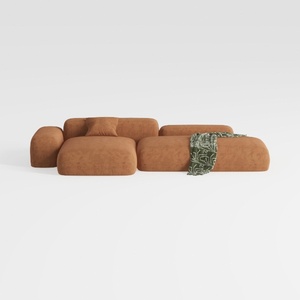
Minimalist Brown Fabric Modular Sectional Sofa 3D Model
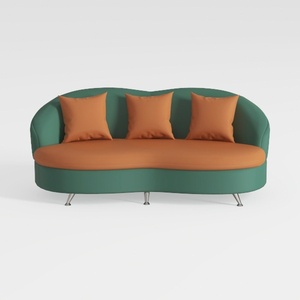

Modern Two Tone Fabric Curved Sofa With Throw Pillows 3D Model
Homestyler is an exceptional online home design platform ideal for all users. With its user-friendly design tool, stunning 3D renderings, and a plethora of design projects and DIY video tutorials, you can effortlessly transform your home with creativity and inspiration at your fingertips.
Design Now for FREE
































