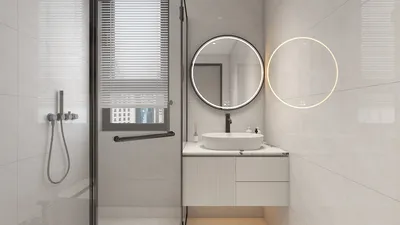


Dark flooring can provide a grounding effect to a room, infusing it with elegance, while its impact on the perception of space depends significantly on factors like lighting and room arrangement. In my design work, it’s crucial to consider contrast, brightness, and proportions. For instance, a brightly lit room featuring tall ceilings and light-colored walls can give an expansive feel when paired with dark floors, as the darker base visually stabilizes the surroundings and enhances the visibility of lighter surfaces. On the other hand, in poorly lit areas with heavy furniture and dark walls, such flooring may create a sense of constriction.
Lighting is the primary factor influencing spatial perception. The Illuminating Engineering Society suggests achieving about 200 to 300 lux for general residential lighting and 300 to 500 lux for task areas; maintaining uniform vertical illumination on walls can enhance brightness and spaciousness (according to IES standards). In office settings, abundant daylight combined with well-organized electrical lighting is linked to improved visual comfort. WELL v2 highlights effective glare management and high-quality light as essential elements for occupant satisfaction. These guidelines reinforce the idea that dark floors function best when the rest of the space is bright and well-illuminated.
Color psychology significantly influences how we perceive spaces. Studies compiled by Verywell Mind reveal that lighter shades evoke feelings of openness, while darker colors contribute to a sense of depth and warmth. A dark floor, when combined with light walls and ceilings, creates a striking contrast that can delineate boundaries and generate visual clarity—often conveying a larger and more organized area. If this contrast is diminished, the flooring tends to merge with the surroundings, potentially making the room feel smaller and flatter.
The Influence of Dark Floors on Spatial Perception
Floors typically cover the most extensive continuous surface in a room. Dark finishes are more light-absorbent compared to lighter ones, reducing reflectance. If the ceiling and walls are painted in high light-reflective value (LRV) finishes or are evenly lit, a darker floor can act as a defined horizon, creating the illusion of increased width. This approach is particularly effective in designing open-plan living spaces, where a rich walnut or espresso oak floor against a light envelope often feels expansive because the eye is naturally drawn to the brighter vertical surfaces.
Ceiling Height, Wall Tone, and Proportion
Next is the aspect of proportion. Elevating ceiling heights and using lighter wall colors can counterbalance the visual weight of dark flooring. In rooms with ceiling heights less than 8 feet, a dark floor can still be effective if the trim and ceiling are kept light and vertical elements are organized. My design strategy focuses on creating a strong base-light envelope pairing: a dark surface below, a light envelope above, and mid-tone accent pieces (like rugs or furniture) to soften transitions.
Quality of Light: Natural and Electric Sources
The distribution of natural light is fundamental in defining spatial scale. Windows that provide consistent ambient light across a room minimize shadowy areas that can make dark flooring feel oppressive. For artificial lighting, it’s beneficial to combine ambient (indirect ceiling lighting), task (localized pendant lights or lamps), and accent (light directed at walls or art). Minimizing glare helps maintain the perception of contrast. A basic approach would be to focus on vertical lighting on walls, use warm-neutral temperatures around 3000 to 3500K, and ensure that the lighting is adjustable. With a well-lit envelope, the dark flooring appears as an elegant foundation rather than a constraining feature.
Material Selection, Finish, and Reflectiveness
The finish of flooring is crucial. A matte, charcoal-stained oak takes in more light compared to a semi-gloss dark ceramic that has subtle reflective qualities. Introducing slight sheen or texture can help mitigate the 'black hole' effect without causing glare. For areas with high foot traffic, choose durable finishes with low volatile organic compounds (VOCs), and consider using open-grain wood or textured ceramics that scatter light and soften visual weight.
Arranging Furniture and Creating Visual Equilibrium
The placement of furniture is vital to optimizing the effects of dark floors. Low-profile furniture with lighter upholstery elevates the aesthetic weight off the floor, making the room feel more open. Light-toned area rugs serve as islands of brightness, breaking up the darkness and guiding movement within the space. I tend to avoid heavy furniture bases in compact areas; instead, using slender-legged furniture and elevated sofas allows more flooring to be seen, ironically enhancing the perception of space by clarifying boundaries.
Traffic Flow and Strategic Layouts
Maintaining clear circulation paths enhances the sense of scale. Ensure that major pathways allow the eye to travel seamlessly across the longest dimensions of the room. When experimenting with furniture arrangements, utilizing a room layout tool like Homestyler can provide valuable insights into how dark flooring interacts with the overall design, allowing you to adjust spacing and proportions effectively before finalizing any decisions.
Acoustic Considerations and Psychological Comfort
Darker color schemes typically create an intimate ambiance. In spaces like media rooms or bedrooms, this effect can be beneficial, as dark flooring dampens visual clutter and, with softer materials, aids in acoustic comfort. For multi-functional areas, it’s essential to keep the envelope lighter to prevent a heavy atmosphere. The goal is to achieve a harmony of sensory elements where the flooring tone complements the activities taking place.
Maintenance, Durability, and Aging Well
While dark floors can show dust and light-colored pet hair more noticeably, they are excellent at concealing deeper scratches compared to lighter finishes. It’s advisable to choose more robust wood types or enhanced surfaces for high-traffic zones. Techniques like micro-beveled edges, matte urethane finishes, and diligent cleaning routines can maintain the floor's visual tranquility, particularly in smaller areas where surface imperfections are quickly noticeable.
Strategies for Making Rooms Feel More Spacious with Dark Floors
- Use light-colored walls and ceilings (high LRV) with consistent vertical lighting.
- Ensure strong daylight or well-distributed electric lighting (aim for at least 200–300 lux ambient).
- Minimize visual clutter and utilize elevated, lighter furniture.
- Introduce strategic area rugs to create reflective zones.
- Maintain unobstructed sightlines with balanced proportions.
When Dark Floors Lead to a Compressed Space
- Limited ambient lighting with poor wall illumination.
- Dark walls and substantial furniture that bulk up the base area.
- Excessively matte, light-absorbing materials without adequate bright elements.
- Visual chaos that disrupts long sightlines.
Frequent Design Practices I Implement
- Keep ceilings and major wall surfaces light; introduce a mid-tone rug to create a transition from dark floor to light envelope.
- Layer your lighting strategically: indirect ceiling lights, wall grazing, and task lighting in the 3000–3500K range.
- Opt for slender furniture profiles and reveal more floor edges to enhance the appearance of width.
- Choose dark finishes with subtle textures or low sheen to avoid overly absorbing surfaces.
- Use an interior layout planner like Homestyler to confirm the spatial plan prior to finalizing floor finishes.
Frequently Asked Questions
Q1: Do dark floors inherently make a room seem smaller?
A1: Not necessarily. In brightly lit spaces with light walls and strong vertical illumination, dark floors can create a feeling of spaciousness by anchoring the surroundings and enhancing contrast.
Q2: What lighting levels are ideal for rooms with dark floors?
A2: Target around 200 to 300 lux for ambient lighting in living areas and 300 to 500 lux for task lighting, ensuring ample vertical illumination on walls to enhance brightness perception in line with IES recommendations.
Q3: Which wall colors complement dark flooring best?
A3: Light, high-LRV neutrals (such as soft whites or light greiges) effectively expand perceived volume and create a pleasing balance with dark surfaces. Ensure ceilings remain lighter than the walls.
Q4: Does the sheen of the flooring affect how spacious the area feels?
A4: Yes. A slight sheen or texture can reflect light, preventing flooring from appearing as a void. Extreme gloss can cause glare, while overly matte surfaces may absorb too much light; achieving a balance is key.
Q5: How do rugs affect the perception of scale in relation to dark floors?
A5: Lighter or mid-tone rugs help create visual breaks that disrupt the dark surface, adding reflectivity and guiding circulation—often resulting in a more open feel.
Q6: Are dark floors prone to showing dust and pet hair more than lighter options?
A6: Generally, yes, particularly for lighter debris, although they may conceal deeper scratches better than lighter floors. Opt for durable finishes and establish regular cleaning habits.
Q7: Is it feasible to use dark floors in compact apartments?
A7: Yes, as long as they are paired with light walls, well-layered lighting, slim furniture, and unobstructed sightlines. Use a layout tool like Homestyler to validate arrangements and avoid congested designs.
Q8: How do dark floors affect acoustic comfort?
A8: Indirectly. Dark floors are often found alongside richer, softer materials that absorb sound effectively. Incorporating textiles and wall coverings can manage reverberation in open-plan areas.
Q9: What color temperature is most suitable for dark floors?
A9: Warm-neutral lighting around 3000 to 3500K is optimal, combining comfort with clear visibility of surfaces. Ensure even light distribution and minimal glare to maintain a sense of space.
Q10: How can I avoid a cave-like atmosphere with dark flooring?
A10: Keep ceilings and walls light, enhance vertical illumination, use reflective elements, and ensure furniture design includes visual lift—like raised legs or lighter tones.
Q11: Can dark floors delineate zones in open-plan layouts?
A11: Absolutely. A dark base can effectively anchor areas for living or dining, while lighter rugs and wall surfaces distinguish different functions without the need for partitions.
Q12: Are there sustainability aspects to consider with dark flooring materials?
A12: Yes, it's wise to select sustainably sourced wood or durable ceramics featuring low-VOC finishes. Materials that are built to last and easily repairable can mitigate their lifecycle impact.
If you're looking to rejuvenate your home design, Homestyler is your go-to platform. Its user-friendly online design tool and impressive 3D renderings deliver a seamless experience. Plus, with a plethora of design projects and DIY video tutorials, you'll be inspired to create your dream space effortlessly!
立即免费设计
































