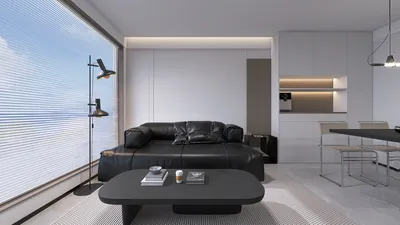


Utilizing corner cabinets in living rooms maximizes the often underused square footage, turning awkward spaces into efficient storage and display areas. In my design endeavors, I find that the most effective layouts harmonize proportion, lighting, and the flow of traffic, allowing the cabinet to feel like a natural part of the space rather than an add-on. With thoughtful planning, corner solutions can boost usable storage by 10-15% in standard living rooms without needing to enlarge the overall footprint. Proper lighting placement can further reduce visual clutter by drawing attention to curated displays, making tools like Homestyler invaluable for optimizing designs.
Research consistently shows that well-planned storage contributes significantly to both comfort and productivity at home. According to studies by Steelcase, organized environments help to lower cognitive load and distractions, enhancing focus during the blend of work and home life. The WELL Building Standard also underscores the importance of visual organization and reduction of glare in living spaces, recommending a balanced approach to lighting and viewing angles to alleviate eye strain. For those interested in further insights, delving into Steelcase’s research on workplace organization and the WELL v2 guidelines for light and visual comfort can be beneficial (steelcase.com/research, wellcertified.com).
In compact or uniquely shaped rooms, corner solutions enhance movement and flow. By positioning bulkier items at the edges, central floor space remains open, maintaining sightlines that are crucial in small areas where a sense of openness promotes tranquility. For those exploring layout possibilities, utilizing a room layout tool like Homestyler can aid in visualizing traffic patterns, focal walls, and cabinet clearance effectively.
Types of Corner Cabinets to Explore
I categorize corner cabinets into four main types: enclosed storage, display options, media integration, and hybrid designs. Enclosed storage utilizes full-height doors or drawers to conceal everyday items like games, blankets, and chargers. Display cabinets feature open shelves or glass-front doors to highlight collections of books, art, or ceramics, often enhanced by integrated accent lighting. Media integration designs wrap around a television or speaker setup, cleverly managing cables while maintaining a tidy appearance. Hybrid cabinets combine closed bases with open shelving above, creating an airy visual rhythm that lifts the overall room aesthetic.
Proportions, Sightlines, and Spatial Ratios
Effective corner solutions are rooted in a good sense of proportion. I typically aim for living room cabinet depths between 14 and 20 inches—shallow enough to prevent congestion but deep enough to accommodate albums or average-sized baskets. For L-shaped configurations, a 60:40 division between the longer and shorter runs helps maintain visual equilibrium. When there’s a primary focal wall, such as a fireplace or television, it’s important to avoid competing visual elements; corner heights should be kept at or below adjacent windowsills or mantels to preserve hierarchy. In spaces with ceilings above 9 feet, a stepped design featuring lower closed units complemented by lighter open shelving on top can help maintain vertical harmony.
Material Choices and Acoustic Comfort
The materials selected for cabinets significantly influence both acoustics and ambiance. Closed cabinetry with soft-close mechanisms and felt-lined drawers can diminish high-frequency sounds, which is advantageous in living spaces with hard surfaces. Wood veneers add a sense of warmth and texture, while matte finishes can lessen reflections that cause glare when near windows. For areas housing audio equipment, consider using perforated metal or rattan fronts to allow airflow and remote signals while managing sound bleed. It’s also advisable to opt for sustainably sourced, FSC-certified woods, low-VOC finishes, and durable laminates for frequently used zones.
Color Psychology in Corner Design
The choice of color plays a crucial role in setting the mood. Research in color psychology indicates that blues and greens foster calmness and concentration, while warmer tones like muted terracotta and ochre evoke comfort and sociability. Personally, I like to anchor corner designs with mid-tone neutrals (such as taupe or olive-gray) and introduce vivid accents through decorative items or backing panels. For corners that receive limited natural light, higher light reflectance value (LRV) paints or satin finishes can help bounce ambient light, alleviating the sense of heaviness without turning the cabinet into an overwhelming focal point.
Lighting: Soft, Layered, and Glare-Free
Lighting layering is essential: combining ambient lighting with targeted accent lights creates a more inviting atmosphere. The guidelines from the WELL Standard and IES suggest aiming for balanced illuminance while controlling glare; consider using diffused strip lighting under shelves (2700–3000K to achieve a warm ambiance in the evenings) and minimizing the direct view of LEDs through recessed channels or frosted diffusers. For display cabinets, adding backlighting to a textured panel can provide depth, while motion-activated puck lights in enclosed spaces are both practical and energy-efficient. It’s also important to position switches or smart controls within an accessible range (approximately 36-44 inches) to promote comfort.
Ergonomics and Practical Use
When designing for usability, factors such as door swing direction, handle design, and interior heights must be considered. Ideally, commonly accessed items should be placed within reach at heights of 24-60 inches, with heavier objects stored on lower shelves for ease of access. In corners adjacent to doorways, sliding doors or pocket options prevent congestion. I often recommend D-shaped pulls for ease of use and soft edges to minimize the risk of bumps in tight passages.
Layouts: L-Shaped, Curved, and Diagonal
L-shaped cabinets are extremely functional, fitting well into ninety-degree corners and providing efficient storage solutions. Curved cabinet fronts help soften the junction and enhance flow in spaces with rounded furniture or bay windows, while diagonal cabinets create a subtle focal point, perfect for displaying artwork or integrating audio systems. Utilizing an interior layout planner, such as Homestyler, can assist in testing placements to ensure adequate clearance for seating, movement, and door operations.
Media Corners: Managing Cables and Ensuring Safety
When a cabinet accommodates a TV or speaker system, proper ventilation is essential. Ensure there is a gap of 2-3 inches for airflow around components and incorporate rear openings for cable management. It’s also wise to separate power and data paths to minimize interference and use heat-resistant materials around amplifiers. Incorporating a removable back panel simplifies maintenance and makes future upgrades easier.
Styling the Corner: Balance and Curation
The styling of a corner can significantly impact its appeal. Utilizing odd-number groupings for decor, varying heights, and balancing textures—like placing ceramic items beside wood—can create visual interest. It’s advisable not to overcrowd the cabinet tops; allowing some negative space helps the cabinet feel less confined. A large piece of art positioned above a low corner unit can anchor the area visually without overwhelming it. Upright plants, such as fiddle leaf or olive trees, harmonize with vertical elements, while trailing plants suit open shelving beautifully.
Strategies for Small Spaces
For smaller living areas, consider prioritizing shallower cabinet depths and lighter upper sections. Incorporating mirror-backed shelves can enhance the illusion of width, while built-in seating niches allow for versatility in function. If storage demands are high, extending cabinets along one wall and subtly wrapping into the corner can free up space on the opposite wall, promoting light and mobility.
Sustainability and Long-Term Care
Planning for longevity is crucial: select durable hinge systems, adjustable shelves, and modular interiors. Choosing finishes that are resistant to micro-scratches and yellowing will ensure lasting beauty. For those who enjoy seasonal designs, integrating changeable back panels or magnetic strips for art and notes allows for refreshing styles without the need for repainting. Maintaining a care kit with touch-up pens, felt pads, and extra shelf pins will help keep the cabinet looking great through the years.
Cost and Value Considerations
Corner cabinet options range from DIY units to custom millwork. While bespoke pieces enhance both fit and functionality, they require precise measurements and take time to produce. To manage budget effectively, standardize internal modules while investing more in visible aspects like veneers, lighting, and hardware—these are where quality truly shines. The balance between improved storage and aesthetic order can greatly outweigh the costs in daily satisfaction.
FAQ
What is the ideal depth for corner cabinets?
Typically, a depth between 14 and 20 inches is recommended. This size ensures adequate circulation while allowing for storage of books, baskets, and media components. Consider shallower options near tight walkways.
What kind of lighting should I use?
Utilize diffused LED strips or puck lights at a color temperature of 2700–3000K, concealed behind cabinet lips or diffusers to avoid glare. Combining this with ambient lighting maintains a comfortable contrast in line with WELL and IES standards for effective illuminance.
Can corner cabinets accommodate media components?
Yes, ensure you choose diagonal or curved fronts, allow for 2-3 inches of ventilation, and incorporate rear cable cutouts along with heat-resistant finishes. Sightlines should not compete with the main focal wall of the room.
What materials enhance acoustic comfort?
Quality laminates with wood grain textures, real wood veneers, and matte lacquer finishes improve sound absorption. Adding features like felt-lined drawers and soft-close hardware further enhances acoustic comfort.
How do I ensure optimal usability in a corner cabinet?
Choose sliding or pocket doors, place handles strategically away from traffic flow, and utilize layout simulation tools to verify clearances before construction begins.
What colors should I use for a bright, inviting corner?
Select mid-light neutrals with a higher light reflectance value—such as warm gray, taupe, or pale olive—paired with soft accent lighting. Blue and green shades are beneficial for promoting calmness and focus, according to color psychology studies.
When should I opt for custom cabinetry over standard solutions?
For unique corners or integrated media systems, custom solutions often fit more precisely, offering better cable management and proportional aesthetics. Consider standardizing internal modules to keep costs manageable.
What are the best practices for creating visually appealing layouts?
Adopt a 60:40 ratio for L-shaped setups, vary shelf heights, and maintain visual hierarchy alongside adjacent focal points. Leaving negative space is key to preventing visual heaviness.
Where should I store frequently used items?
Items used regularly should be stored between 24 and 60 inches off the ground, while heavier items should be placed on lower shelves for easy access.
Can sound be managed in audio setups?
Absolutely. Utilizing closed storage, soft materials, and perforated fronts around audio equipment can reduce reflections, manage sound effectively, and preserve airflow.


Minimalist Solid Oak Open Storage Bookshelf 3D Model

Minimalist Japandi Rattan Solid Wood Arched Wardrobe 3D Model
Looking to design your dream space? Homestyler offers a user-friendly online design tool, stunning 3D renderings, and a wealth of inspiring design projects and tutorials. It's perfect for anyone wanting to turn their home vision into reality, whether you're a novice or a seasoned designer!
立即免费设计
































