

Compact wooden tables can significantly enhance the ambiance of a living room despite their small size. They serve as vital anchors for seating arrangements, complement lighting designs, and offer convenient storage options while ensuring smooth traffic flow. According to recent studies by Steelcase, 49% of individuals believe flexible furnishings play a crucial role in adapting homes for various activities. Gensler also highlights that comfort and usability are primary factors that encourage frequent use of a space. These small tables are essential as they effectively connect areas for lounging, working, and hosting guests—without consuming too much space.
Establishing proper ergonomics and adequate lighting forms the foundation of any living area. Guidelines set by WELL v2 advocate for glare management and layered lighting solutions; placing a small wooden table 16 to 20 inches from the edge of a seat ensures task lighting is easily accessible and minimizes awkward stretches. The Illuminating Engineering Society recommends a lighting range of 300 to 500 lux for reading spaces, and pairing a side table with a shaded lamp atop a matte surface can control reflections while providing functional illumination. For optimal durability when regular relocation is anticipated, I prefer solid hardwood or high-grade veneer over MDF, as well-placed grain direction and edge protections help maintain the finish and prevent chipping.
Understanding Scale, Flow, and Height
Proportions are crucial in furniture arrangement. A useful guideline is that a coffee table should measure approximately two-thirds the length of the main sofa and sit 1 to 2 inches lower than the seat height. Side tables should generally be around 22 to 26 inches tall to align with average arm heights, minimizing any awkward reach. A clearance of 14 to 18 inches between the table edge and seating is vital for ensuring ample knee space and fluid circulation paths. In smaller rooms, it’s best to avoid rigid rectangular shapes that obstruct walkways; opting for softer shapes like gentle curves or ovals prevents collisions and adds a sense of harmony.
When arranging furniture in tight spaces, I often test different layouts first—placing nesting tables at the end of a sofa or centering a round table on a sectional’s pivot point. Utilizing a room layout planner, like the easy-to-use Homestyler, can aid in visualizing circulation and access zones while comparing various shapes and finishes.
Material Selection: Solid, Veneer, and Eco-Friendly Options
Small tables endure frequent use, making their finish and construction quality imperative. The warmth and durability of solid oak, ash, or walnut are exceptional choices. When weight and budget are constraints, engineered veneer on a solid base is advisable—select a thicker, book-matched veneer and ensure edges are protected by a solid wood lipping. If sustainability is a concern, prioritize woods with verified eco-friendly sourcing, waterborne finishes, and easily repairable surfaces. Species with open grains, like oak, accentuate texture, while closed-grain options, such as maple and beech, offer a subdued aesthetic suitable for minimalist designs. Finishes with a mid-sheen (10 to 20 gloss units) are adept at hiding fingerprints compared to high-gloss options, and oil-wax blended finishes are easy to refresh when needed.
Geometry and Use: The Influence of Shape
Round tables foster a sense of sharing and complement linear furniture arrangements smoothly. Square tables fit snugly between paired chairs, while oval shapes bridge gaps on lengthy sofas without encroaching on seating space. C-tables can slide over the edge of a sofa for practical workspace, while drum tables add weight and visual appeal to anchor a corner. In family-friendly areas, it’s prudent to avoid sharp corners and opt for eased or bullnose edges. For social gatherings, arranging three small round tables rather than one large unit offers flexibility—scatter them when company arrives and regroup later.
Smart Storage, Surface Use, and Layering
Integrating hidden functions helps maintain calmness in small rooms. A shelf beneath the table surface can effectively organize remotes and magazines, while lift-top mechanisms transform a compact coffee table into a functional snack or workspace. Trays can protect wood surfaces while allowing versatile arrangements for candles and books. If coasters frequently become misplaced, consider a sealed finish for the tabletop and an oiled finish for the base to simplify cleanup—providing a warm touch beneath. For noise reduction, fabric bumpers placed under table bases can diminish floor resonance; opting for drum or pedestal forms can subtly absorb sound in acoustically challenged environments.
Color, Tone, and Adaptation to Light
The psychological impact of color suggests that warmer wood tones evoke a sense of comfort, while darker surfaces may seem formal and visually constrict a small area. In spaces with north-facing windows, a mid-tone oak can brighten the area; in lighter exposures, walnut can help ground pale palettes and absorb excess glare. Matching table finishes to lamp color temperatures can prevent clashes: warm lighting between 2700 to 3000K enhances honeyed oak finishes, whereas 3000 to 3500K light can balance walnut’s red undertones. If sun exposure is strong, incorporating a UV-protective topcoat and rotating accessories seasonally can mitigate shadowing and maintain an even patina.
Design Trends for 2024–2025
In my projects, I’ve seen three significant trends enhancing the functionality of small tables: multifunctional designs (such as nesting sets and lift-tops), gentle biomorphic edges, and contrasting textures—think ribbed bases paired with smooth tabletops. The demand for honest, low-ink woodgrain remains strong, often juxtaposed with matte black metal or brushed brass hardware. Materials like cork and linoleum insets are becoming popular again for their tactile quality and ease of maintenance, making them perfect for trays or partial inlays that protect the primary wood surface.
Placement Guidelines for Varied Living Rooms
Select a 24 to 30-inch round table to navigate tight spaces easily, or use a C-table for laptop activities. Strive for one anchored piece complemented by a mobile option. Keeping the overall table footprint below 30% of the seating area is essential to maintain a smooth flow within the room.
For a standard sofa with two chairs, consider a radius-corner rectangular coffee table measuring 48 to 52 inches. Incorporate a pair of nesting side tables for board games that can be easily tucked away afterward. Ensuring durable finishes paired with wipeable trays is non-negotiable in this setting.
Cluster three small round tables (18 to 22 inches) at slightly varying heights to accommodate drinks, florals, and lighting without overcrowding the area. Maintain a minimum gap of 16 inches between clusters to support circulation.
Care and Longevity of Small Tables
Regularly dust with a soft cloth and rotate displayed items to avoid uneven patina. Quickly addressing water rings—most can be removed with a gentle heat treatment through a cotton cloth—is critical, while more persistent stains may require professional refinishing. Utilizing felt pads, avoiding dragging across rugs, and lifting from the apron or base instead of the top—especially when attachments are floating or concealed—can prevent damage. Keeping indoor humidity stable at 40 to 55% RH reduces the risk of cracks in solid woods and minimizes cupping.
Budget-Friendly Choices and Value Offers
To accommodate tighter budgets, prioritize solid wood for edges paired with high-quality veneer for the table surface. When assessing craftsmanship, pay attention to tight joints, grain-matched aprons, and finishes that feel smooth rather than plastic-like. A well-crafted small table can easily transition through stages of use—becoming an end table today, a bedside table later, and eventually a reading surface in a study. This mobility reflects sustainable design principles.
Frequently Asked Questions
Q1. What is the ideal size for a coffee table in a small living room?
Strive for a size approximately two-thirds the length of the sofa and 1 to 2 inches lower than the seating height, with 14 to 18 inches of clearance for comfort.
Q2. Between round and rectangular, which is safer for tight spaces?
Round or oval tables help prevent collisions with corners and promote smoother traffic. I tend to specify eased edges on rectangular tables for walkways narrower than 30 inches as a precaution.
Q3. Which wood types withstand wear the best?
Oak and ash are well-regarded for their resistance to impacts, while walnut ages gracefully, masking minor dents. Maple is abrasion-resistant but benefits from a protective finish in busy households.
Q4. What finish is best for resisting water rings?
A reliable choice is a catalyzed or high-solids waterborne finish atop the table. Using coasters and trays alongside a mid-sheen finish helps mask minor scratches.
Q5. What is the appropriate height for side tables next to sofas?
Most arm heights fall between 24 to 26 inches, so matching that or going slightly lower ensures ease of access to a drink or lamp without requiring a significant lift.
Q6. Any tips for lighting when reading at a small table?
Aim for a brightness of 300 to 500 lux for optimal reading conditions. A shaded lamp paired with a 2700 to 3000K bulb reduces glare, complementing warm wood tones while meeting task lighting needs.
Q7. How can small tables provide storage without looking bulky?
Seek options with lower shelves, hidden drawers, or lift-top compartments. Nesting tables can increase surface area as needed and compact easily when not in use.
Q8. Are mixed materials a practical choice?
Absolutely—wood tops combined with metal or cork accents enhance durability and add appealing tactile variety. Ensure metals remain matte to reduce glare and fingerprint visibility.
Q9. What can be done to protect wood from fading due to sunlight?
Using a UV-inhibiting topcoat is beneficial. Additionally, rotating accessories quarterly and positioning tables away from direct sunlight exposure can help maintain their appearance.
Q10. How should I plan my layout before making a purchase?
Use painter's tape on the floor to visualize space on the ground or test various configurations in a room design tool like Homestyler to verify reach and clearance before finalizing your choices.
Q11. Do small tables impact room acoustics?
Solid drum bases and felt pads help minimize sound reflections from floors. Avoid choosing hollow constructions that may add to echo issues in these environments.
Q12. What style choice tends to be timeless?
A round, mid-tone hardwood table featuring straightforward joinery, devoid of ornate hardware, and possessing a repairable finish can seamlessly blend into most living rooms for years to come.
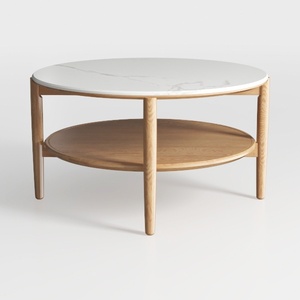
Minimalist Marble Top Solid Oak Round Two Tier Coffee Table 3D Model


Modern Marble Brass Solid Wood Nesting Coffee Tables 3D Model
Discover the creative potential of your home with Homestyler! This user-friendly online design platform boasts intuitive tools, stunning 3D renderings, and a wealth of design projects and DIY video tutorials, making it easier than ever to bring your vision to life—no experience necessary!
立即免费设计
































